Why a Clean Cat Space Matters More Than You Think
A cat’s environment isn’t just about aesthetics—it’s deeply tied to their health, behavior, and emotional well-being. Many owners assume that as long as the litter box is filled, everything’s fine. But that’s far from the truth. A messy or poorly designed cat space can trigger stress, cause litter avoidance, and even lead to medical issues like urinary tract infections. The reality is that cats are highly sensitive to their surroundings. They need consistency, privacy, and cleanliness to feel safe. In one case from a suburban home in Portland, Oregon, a 3-year-old Maine Coon suddenly stopped using his litter box—after months of perfect behavior. A vet visit ruled out medical problems, but a simple change to the cat’s environment made all the difference: replacing a low-quality, noisy litter with an odor-locking, clumping brand and adding a privacy screen around the box. Within three days, he was back to his routine. This isn’t just anecdotal—it’s science. Cats naturally bury their waste to avoid attracting predators. When they can’t, fear and frustration set in. So, starting with the right litter and accessories isn’t a luxury—it’s a necessity.
Choosing the Right Cat Litter: More Than Just ‘Poo in a Box’
Not all cat litter is created equal, and choosing the wrong type can do more harm than good. Many pet parents default to the most affordable or widely available options—like traditional clay litter—without realizing how much it can affect their cat’s health and habits. Clay litters are common, but they’re often dusty, heavy, and can contain harmful chemicals. Worse, they don’t clump effectively, leading to tracking, odor, and a higher chance of your cat stepping into the wrong spot. Instead, focus on three key factors: material, performance, and safety. For most cats, plant-based litters made from corn, wheat, or pine are ideal. They’re biodegradable, produce less dust, and are often more absorbent. One standout is a corn-based litter that forms tight clumps even under heavy use and has a neutral scent. It’s especially helpful for multi-cat homes where waste volume increases. Another advantage? These litters are flush-safe in most cases, making cleanup easier and more eco-friendly. Always check for certifications like OEKO-TEX or USDA BioPreferred to ensure ingredient safety. And don’t forget: some cats are picky. A cat who’s new to a home might reject a litter just because it feels different under the paws. When switching, do it gradually—mix old and new for a week, then phase out. That small adjustment can prevent long-term litter aversion.
Smart Accessories That Actually Work: From Carriers to Scratching Posts
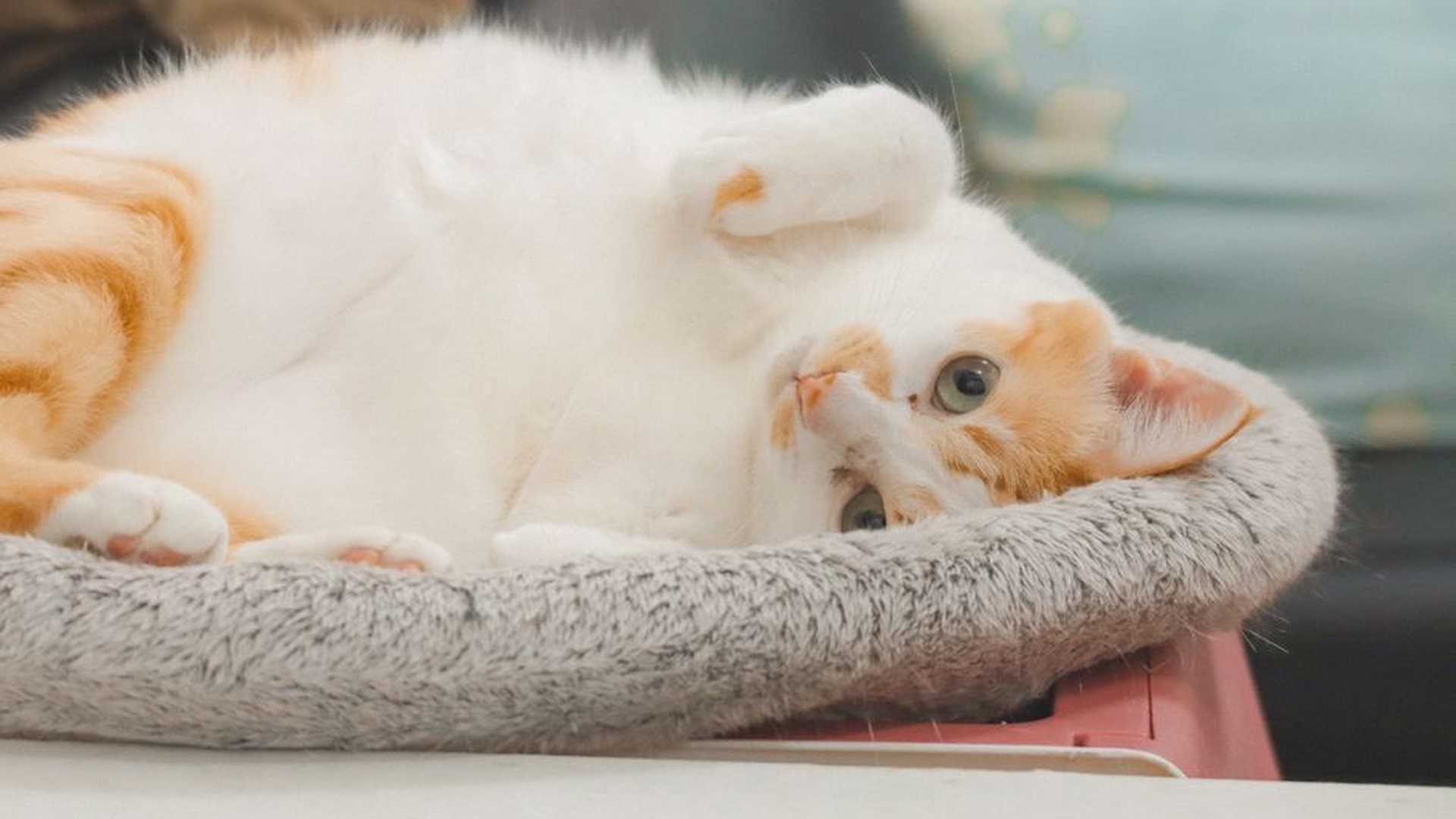
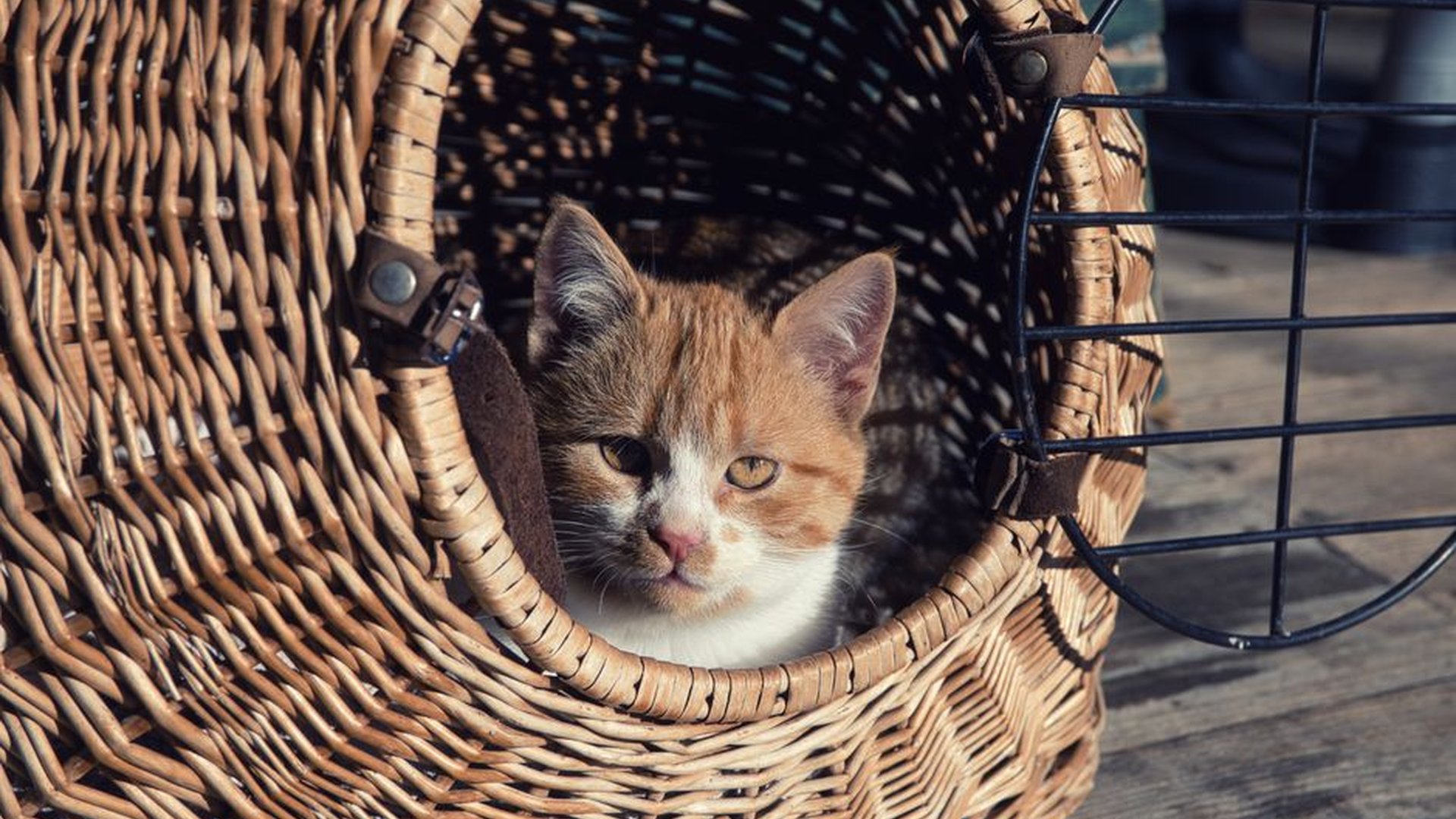
The right accessories aren’t just decorative—they’re tools that support your cat’s natural instincts and improve daily life. A carrier, for example, should never be a box with a small door. It’s often the most stressful part of a visit to the vet. A well-designed carrier with a removable liner, ventilation, and a soft interior helps reduce anxiety. One owner from Seattle shared how switching to a carrier with a window and a hidden hideaway helped her anxious cat stop meowing during car rides. He now calmly lies inside, even when the car is moving. Similarly, scratching posts aren’t just for destroying furniture. They’re essential for claw maintenance, stress relief, and territory marking. But the wrong post can cause more harm than good. A post that’s too flimsy will collapse under a cat’s weight, and one that’s too tall might discourage use. Look for sturdy, vertical posts made from sisal rope, and test stability by gently pushing on the base. Place it near favorite lounging spots—like by the window or near a cat bed. You’ll also want to avoid single-stick posts with no support. Cats want to stretch, scratch, and knead. Use a post with multiple zones: base for scratching, middle for stretching, and a platform on top for napping. Also, consider a dual-sided post with one side for scratch and one for lounging. The goal isn’t just to protect furniture—it’s to give your cat a full sensory experience that matches their natural behavior.
Where to Place the Litter Box: The Hidden Science of Location
Location is everything when it comes to litter boxes. Many owners place them near the kitchen, in a closet, or under a staircase—easy for us, but not for cats. Cats prefer privacy. They want to be able to see the exit, avoid ambushes, and not feel trapped. One common mistake? Putting the litter box in a high-traffic area. If your cat uses it while someone walks by, they may feel exposed—and skip it altogether. A study published in the Journal of Feline Medicine and Surgery found that cats are 55% more likely to avoid a litter box placed in noisy, open areas. Instead, choose a quiet, low-traffic spot—ideally with a clear view of the room but not in the open. A corner near a wall offers a sense of security. Use a rug to minimize noise and reduce floor impact. If you have multiple cats, place one box per cat plus one extra. In a home in Austin, Texas, a family with three cats solved their litter issues simply by relocating the boxes to separate, quiet corners of the living room and hallway. No more conflicts. No more accidents. The change in behavior was immediate—each cat now uses its own box consistently and without stress.
Final Tips: Small Changes, Big Impact
Creating a clean cat space isn’t about spending hundreds of dollars on fancy gear. It’s about understanding your cat’s instincts and matching them with practical choices. Start by auditing your current setup: Is the litter box too small? Is the filler too dusty? Is the carrier uncomfortable? Then make one change at a time. Test your cat’s reaction. Observe movements, sniffing, and usage patterns. Over time, small improvements add up to a calmer, healthier cat. Remember: a clean space isn’t just for you. It’s a language your cat understands—peace, safety, and respect. And when they feel safe, they’re more likely to sleep, play, and bond with you. That’s not just a cleaner home. That’s a better relationship.