Understanding the Needs of Small Pets
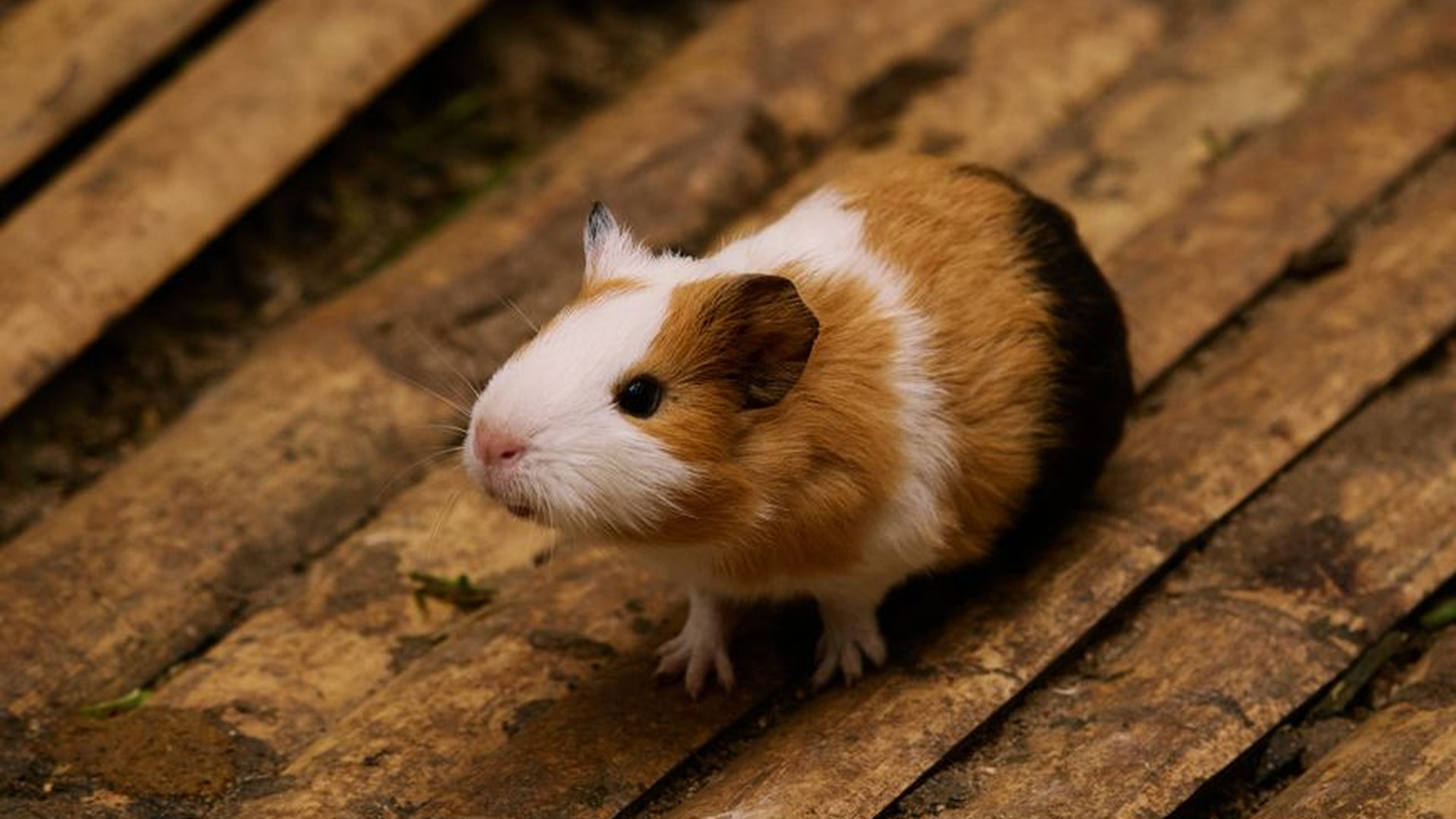
Small pets like hamsters, guinea pigs, and rabbits aren’t just cute extras in a household—they’re sentient creatures with complex emotional and physical needs. A growing number of pet owners are discovering that a well-designed living environment directly impacts their pet’s health, behavior, and lifespan. In a study published by the Journal of Applied Animal Welfare Science, researchers found that 68% of small pet owners reported behavioral changes such as aggression, hiding, or over-grooming when their animals were housed in suboptimal conditions. This isn’t just about comfort—it’s about survival. A secure home isn’t about aesthetics; it’s about fulfilling instinctual needs, reducing stress, and preventing common issues like foot injuries, dental problems, and respiratory illness.
For example, a guinea pig in a wire-bottom cage with no bedding may develop foot sores from constant contact with metal bars. A rabbit left alone in a bare plastic enclosure may chew through its enclosure due to boredom and anxiety. These aren’t isolated incidents—they’re preventable problems that stem from misunderstandings about what small pets actually require.
Designing a Safe and Stimulating Habitat
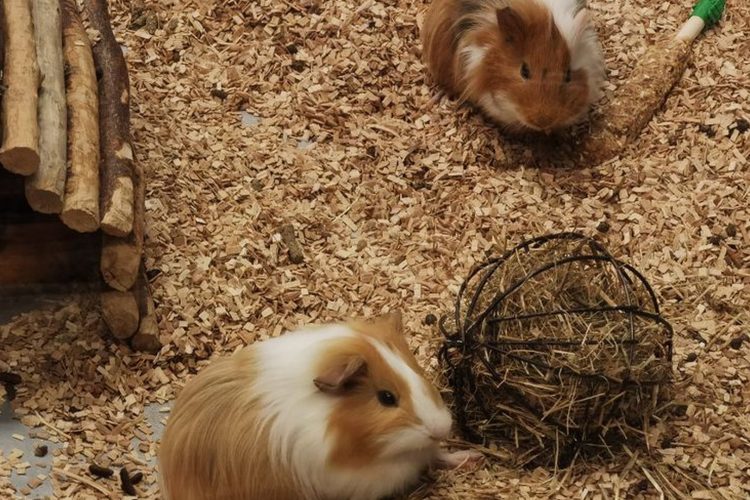
The foundation of a secure home starts with the right enclosure. Not all cages are suitable for small animals. A hamster housed in a 10-gallon plastic bin with a wire lid may seem adequate, but it lacks space for natural behaviors like running, burrowing, and exploring. The American Veterinary Medical Association recommends a minimum of 450 square inches of floor space per hamster, plus vertical climbing opportunities. Similarly, a guinea pig needs at least 7.5 square feet for a single animal, with multi-level platforms to mimic natural terrain.
Materials matter too. Avoid plastic enclosures with poor ventilation—they trap heat and moisture, increasing the risk of fungal infections. Opt for solid-bottom cages with wooden or solid plastic floors to prevent foot injuries. Natural materials like aspen shavings or paper-based bedding are safer than pine or cedar, which can irritate respiratory systems. In a case from Seattle, a household bonded with a rescue guinea pig named Miso found that switching from cedar shavings to recycled paper bedding reduced his frequent sneezing and increased his energy levels within two weeks.
Don’t forget the essentials: food and water stations, a hiding spot, and a solid surface to climb. Introducing environmental enrichment—like chew toys, tunnels, and safe chewable plants—can significantly reduce stress. One owner in Portland reported that her rabbit, Luna, began over-grooming and losing fur until she added a cardboard tube tunnel and a hanging hay bag. Within days, Luna’s behavior returned to normal.
Preventing Common Hazards
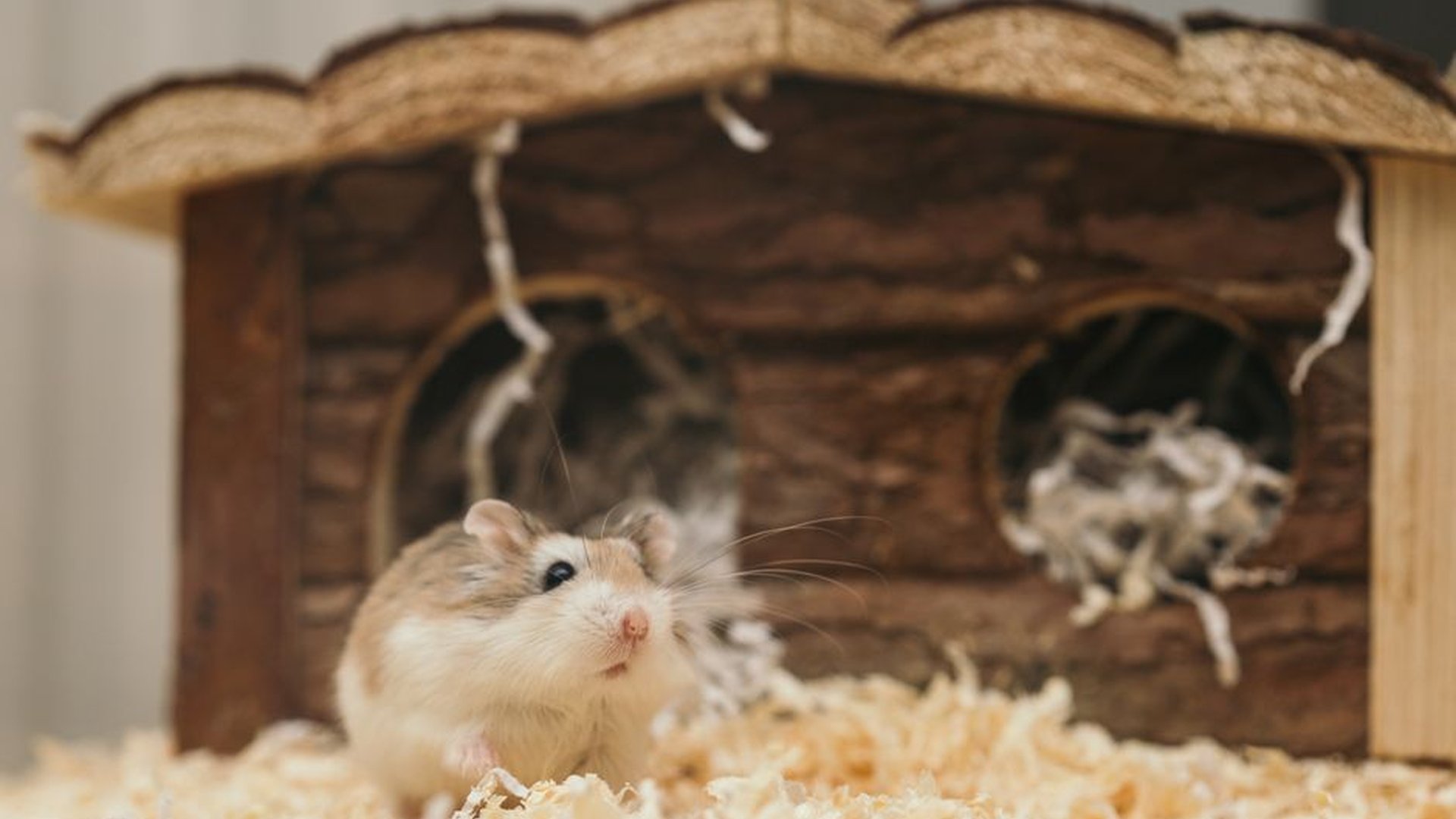
Even the most carefully designed habitat can become dangerous if basic safety rules aren’t followed. Electrical cords, for instance, are a major hidden threat. A study by the Humane Society found that 32% of small pet injuries were linked to chewed wires. Cats may not see a wire as a threat, but a curious hamster will bite through insulation and get shocked. Always use cord covers or route wires behind baseboards. Use outlet covers, and avoid placing cages near floor outlets.
Another overlooked risk is heat. Small animals regulate body temperature poorly. A hamster kept near a heater or in a room that exceeds 75°F may suffer overheating. In one instance in Austin, a family discovered their pet rat, Tux, had stopped eating and was lethargic—only to find that their home’s heating system had malfunctioned, pushing indoor temps to 80°F. The vet confirmed heat stress. Cooling pads, fans with grills, and room thermometers are simple but effective safeguards.
Toxic substances are also dangerous. Houseplants like lilies or philodendrons, commonly found in homes, are deadly to rabbits and guinea pigs. Even essential oils used for aromatherapy can be fatal if inhaled or ingested. A family in Denver lost a young rabbit after placing a lavender diffuser near her cage. The phospholipid droplets in the oil caused lung damage. Always research the safety of household items near your pet’s space.
Reducing Stress Through Environmental Enrichment
Stress isn’t just emotional—it has measurable physiological effects. Elevated cortisol levels in small pets can weaken the immune system, affect digestion, and lead to chronic illness. A well-planned habitat isn’t just safe; it’s a mental wellness tool. Providing sensory variety—textures, sounds, smells, and movement—keeps the brain engaged and reduces anxiety.
Try placing a mirror near the cage for rabbits, who naturally groom and socialize; it’s not a prank, it’s a mental exercise. Rotate toys every few days to maintain novelty. Hide small treats in paper bags or inside tunnels to promote foraging behavior, which mirrors wild feeding patterns. Some owners have even built ‘pet-safe’ DIY foraging boxes using cardboard, toilet paper rolls, and kitchen-safe herbs.
The sound environment matters too. In a controlled test, guinea pigs exposed to white noise and soft classical music showed 40% lower cortisol levels than those in silent environments. A quiet, low-traffic corner of the home—away from TVs, loud appliances, and frequent foot traffic—creates a sanctuary.
Building a Routine That Supports Well-being
Consistency is key. Small pets thrive on routine. Feeding at the same time each day, handling them at a regular schedule, and maintaining a consistent lighting pattern help regulate their internal clocks. A sudden shift in routine—like moving the cage to a new room—can cause stress and disrupt natural behavior.
A family in Boston uses a simple daily log for their three guinea pigs. Every morning, they record each animal’s food intake, droppings, and mood. Within a month, they noticed one pig was eating less and hiding more. A vet visit revealed early-stage dental overgrowth. Early detection through routine observation saved her from needing surgery.
Creating a secure home isn’t a one-time task. It’s a dynamic process that evolves with your pet’s age, health, and personality. What works for a 6-month-old rabbit may not suit a geriatric one. Regular checkups, ongoing research, and small, thoughtful adjustments keep your pet safe and thriving. For every hour spent on habitat design, you’re investing in years of health, joy, and companionship.