When you first start keeping rabbits or chinchillas, their fluffy appearance can be irresistible. But once you begin living with them, you’ll quickly realize these adorable little animals can be quite “particular”—rabbits shed heavily during seasonal transitions, and chinchillas might refuse to eat simply because something feels off. It can be overwhelming.I’ve made plenty of mistakes along the way—furstorms during molting season, chinchilla pellets going untouched, tangled fur, digestive issues… Eventually, I learned to read their temperaments and developed a more scientific and practical care routine.
1. Rabbit Shedding: Even Outside Shedding Season?
Rabbits can shed year-round, but shedding becomes particularly intense during the spring and autumn. In addition to natural molting, abnormal hair loss should never be ignored.
1.1 Regular Shedding During Molting
Rabbit fur consists of an undercoat and guard hairs. During molting, the undercoat is mostly replaced. Some breeds, like Holland Lops and Lionheads, have denser fur and thus shed more visibly.
Daily Care Tips:
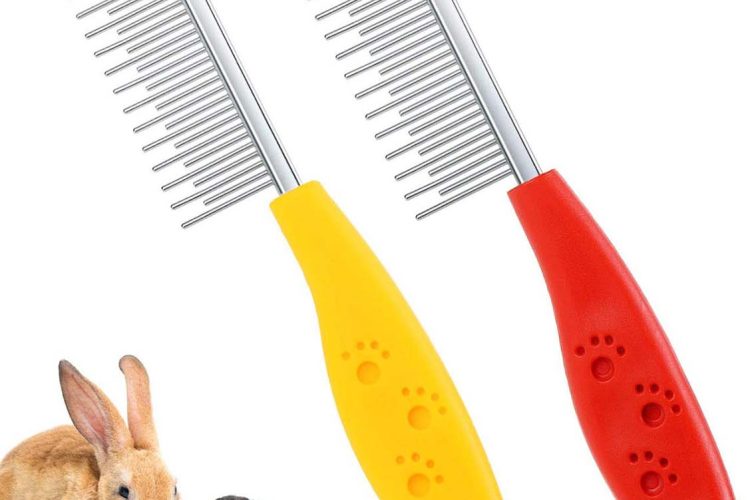
- Brush Daily: Use a pet-safe brush (such as a slicker or shedding comb) for gentle daily grooming. This reduces fur buildup and boosts blood circulation.
- Maintain Stable Room Temperature: Frequent temperature changes can trigger heavy molting. Keeping the environment stable may reduce shedding.
- Increase Hydration: Hydration supports follicle metabolism. Slightly dampened hay or washed leafy greens (partially dried) can help maintain moisture intake.
1.2 Abnormal Shedding Deserves Attention
Bald patches, excessive scratching, and redness can signal:
- Fungal Infections: Ringworm or patchy fur loss with scabbing.
- Parasites (like fleas or mites): Often accompanied by intense scratching.
- Nutritional Deficiency: Coarse or dull fur and prolonged shedding.
- Stress: Triggers include moving homes, new pets, or environmental disruption.
In such cases, it’s essential to visit a small-animal veterinarian for proper diagnosis. Avoid using human ointments or home remedies.
2. Picky Chinchillas: Ignoring Pellets for Treats?
Chinchillas are naturally cautious eaters. A new scent or unfamiliar texture might cause them to avoid food altogether. Their digestive systems are also highly sensitive, and improper feeding can easily lead to bloating, constipation, or even gastrointestinal stasis.
2.1 Why Are Chinchillas So Picky?
- Treat Interference: Overindulgence in dried fruits or nuts can cause them to reject their staple pellets.
- Hay Variation: Differences in aroma, color, or moisture between hay batches can affect their interest.
- Habitual Preferences: Once chinchillas form food preferences, they may “play dead” when introduced to new foods.
2.2 Practical Solutions for Chinchilla Picky Eating
- Strict Treat Limits: Only 1–2 times per week, no more than the size of a fingernail each time. This prevents treats from overshadowing regular food.
- Gradual Food Transition: Mix 1/4 new food with 3/4 old food and slowly adjust the ratio over 7–10 days.
- Fixed Feeding Schedule: Serve food at consistent times (morning and evening). If uneaten after two hours, remove it to encourage better eating habits.
- Rotate Brands: Use 2–3 pellet brands in rotation to prevent flavor fatigue.
3. Hay and Pellets: The Cornerstone of Rabbit and Chinchilla Diets
For both rabbits and chinchillas, hay isn’t a supplement—it’s their primary food source. It’s crucial for dental wear and intestinal motility.
3.1 Choosing and Storing Hay
- 1st Cut Timothy Hay: Coarse and fibrous, ideal for adult rabbits and chinchillas.
- 2nd Cut Timothy Hay: More leafy and palatable, though slightly less effective at wearing down teeth.
- Alfalfa: High in calcium, best suited for baby or pregnant rabbits, not recommended for adult chinchillas or rabbits long-term.
Store hay away from light and moisture. After opening, divide it into sealed bags with desiccants to prevent mold.
3.2 How to Choose Pellets
- Pelleted Over Mixed Types: Uniform pellets discourage selective feeding and ensure nutritional balance.
- Look for High Fiber, Low Protein, Low Calcium: Supports digestion and prevents urinary issues.
- Avoid Additives: No grains, sugars, or flavor enhancers.
Check ingredient labels regularly and stick to reputable brands such as Oxbow (USA), Burgess (UK), or Science Selective.
4. Daily Cleaning and Fur Care: Small Details Matter
With their thick fur, rabbits and chinchillas are prone to skin and respiratory issues if hygiene is neglected.
4.1 Chinchillas: No Baths, Only Dust
Chinchillas produce natural skin oils and cannot be bathed with water—it can lead to matted fur, sudden drops in body temperature, or fungal infections. Use only fine, dust-based bath sand.
- Bath Sand Choice: The finer, the better. Only use specialized chinchilla dust.
- Frequency: 2–3 times per week, 15 minutes each time.
- Proper Bath Container: Use a deep box with a lid to reduce dust in the air and minimize respiratory irritation.
4.2 Rabbits: Regular Brushing and Hygiene
- Brushing Tools: Use small animal shedding combs. Brush daily, especially during molting.
- Sanitize Rear Ends: If soft stool sticks to the fur, clean gently with a warm damp towel—never soak the rabbit.
- Prevent Hairballs: Rabbits can’t vomit. Swallowed fur can cause dangerous blockages. Weekly furball paste or high-fiber snacks can help stimulate digestion.
5. Gut Health: They Don’t Speak, but Their Tummies Say a Lot
Both rabbits and chinchillas are prone to digestive upset. If you notice reduced appetite, bloating, or fewer stools, it’s a red flag.
Digestive Care Tips:
- Ensure Plenty of Hay: Essential for gut motility.
- Encourage Exercise: Let them roam in a secure space or hop platforms for 20+ minutes daily.
- Prevent Bloating & Blockages: Add probiotics or small amounts of natural fermented veggie treats.
- Keep a Pet First-Aid Kit: Include probiotics, furball paste, and anti-gas agents like simethicone (consult your vet for correct dosages).
6. Mental Health: Their Moods Matter Too
Though quiet, rabbits and chinchillas are emotionally sensitive. Environmental changes, stressful routines, or excessive interaction can make them anxious.
Rabbit Stress Signs: Flattened ears, thumping, hiding, or chewing cage bars
Chinchilla Stress Signs: Huddling in a corner, avoiding dust baths, food refusal, or obsessive chewing of wooden toys
Recommended Practices:
- Keep surroundings quiet and lighting soft
- Retain familiar objects like mats and food bowls
- Minimize loud noise and strong odors
- Establish a regular routine gradually
It’s the Little Things That Show True Care
Caring for rabbits and chinchillas isn’t just about feeding them—it’s a comprehensive process. From diet and environment to fur maintenance and emotional wellbeing, every detail matters. They may not be able to speak, but if we’re willing to learn and observe, they will respond with gentle trust and affection.
Shedding isn’t scary. Picky eating isn’t unusual. With the right approach, the right products, and a little patience, all these problems can be managed. I hope this care guide offers helpful insights for a happy life with your fluffy companions. May every small animal caregiver be rewarded with their softest, most sincere companionship.