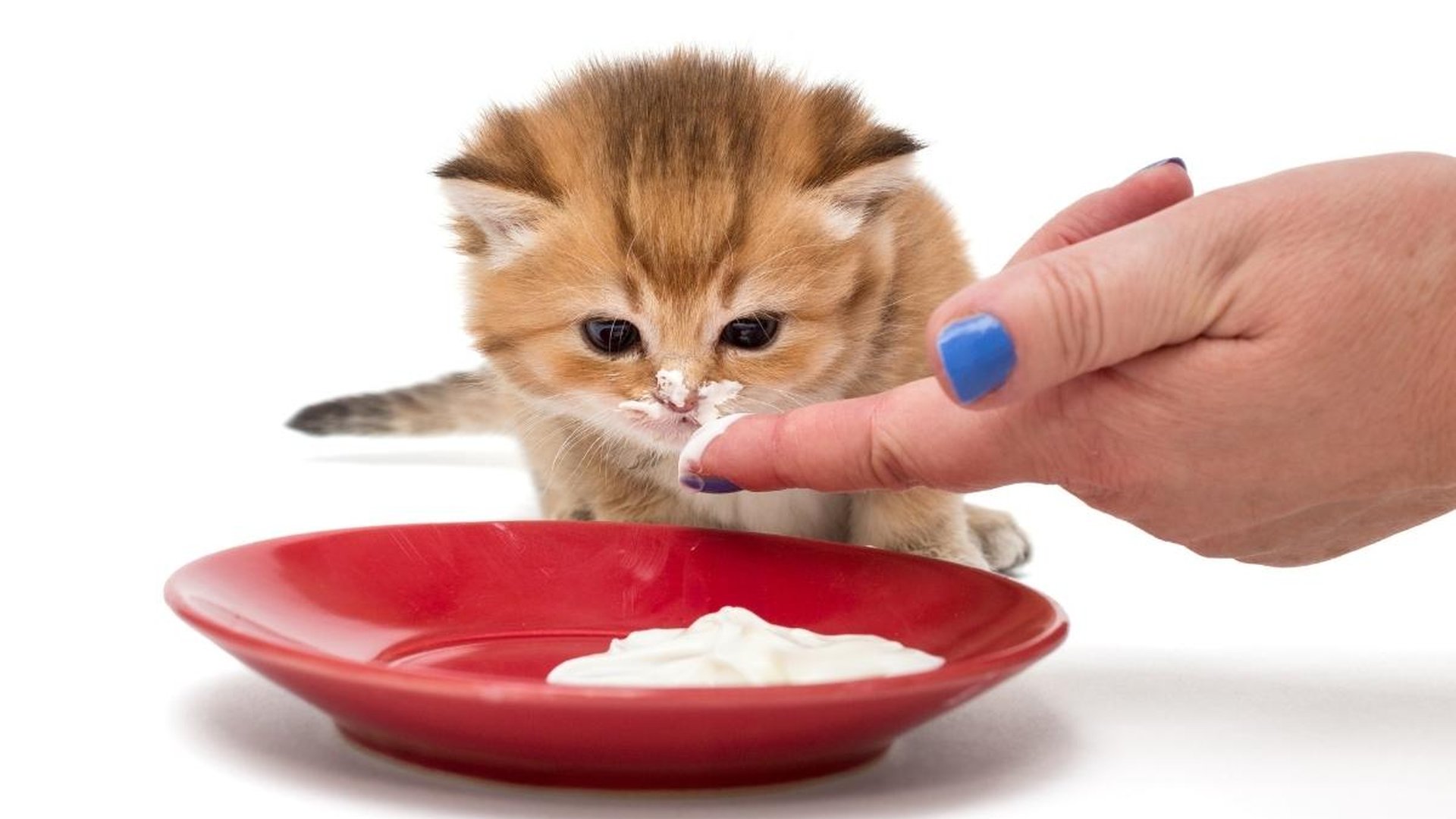
Understanding the Unique Needs of Growing Kittens
When your new kitten arrives, it’s not just a bundle of fluff— it’s a tiny life on a critical path toward lifelong health. From the moment they open their eyes, their body is undergoing rapid changes. Their bones, muscles, and immune system are all developing at a pace that demands more than just any food. Unlike adult cats, whose dietary needs stabilize, kittens require nutrition that’s specially formulated for their growth stage. Research shows that a kitten’s metabolism is roughly twice as fast as an adult cat’s, meaning they burn energy at a much higher rate. This is why choosing the right kitten food from day one isn’t just a preference—it’s a necessity.
In the wild, mother cats naturally feed their kittens a diet rich in protein and fat to help them thrive. In our homes, that role falls to you. Your first decision—what to feed your kitten—can shape their development for years to come. Start with a product labeled specifically for kittens, not just ‘for all life stages.’ These formulations contain higher levels of essential nutrients like DHA, taurine, and calcium, which support brain development, vision, and bone health. A single misstep in the first 12 weeks could lead to stunted growth, weakened immunity, or even behavioral issues later in life.
Key Nutrients to Look For in Kitten Food
Not all kitten foods are created equal. What makes a product truly supportive of healthy growth comes down to its ingredients and nutrient ratios. Start by scanning the label for these top three indicators:
First, protein should make up at least 30-40% of the dry matter content. This isn’t just about quantity—it’s about quality. Look for animal-based proteins like chicken, turkey, or fish as the first ingredients. Avoid vague terms like ‘meat by-products’ or ‘poultry meal’ unless they’re clearly labeled and traceable to specific sources. Real-world example: A study published in the Journal of Animal Physiology found cats fed diets with whole animal proteins showed 22% better muscle mass development by 10 weeks versus those fed plant-heavy or filler-based formulas.
Second, fat content is crucial. Kittens need 15-20% fat on a dry matter basis to fuel their boundless energy. Healthy fats, like those from chicken fat or fish oil, are not just for energy—they support skin, coat, and brain function. One owner in Portland, Oregon, reported that her kitten’s incessant scratching and dry skin vanished within three weeks after switching to a formula rich in omega-3 and omega-6 fatty acids.
Third, taurine and DHA are non-negotiable. Taurine prevents heart disease and retinal degeneration, while DHA enhances cognitive development. A kitten that lacks adequate DHA during the first 8 weeks may struggle with learning, memory, and social behaviors later on. The American Association of Feed Control Officials (AAFCO) sets minimum standards, but top-tier brands go beyond minimums—always check for a ‘fully balanced’ statement and a commitment to third-party testing.
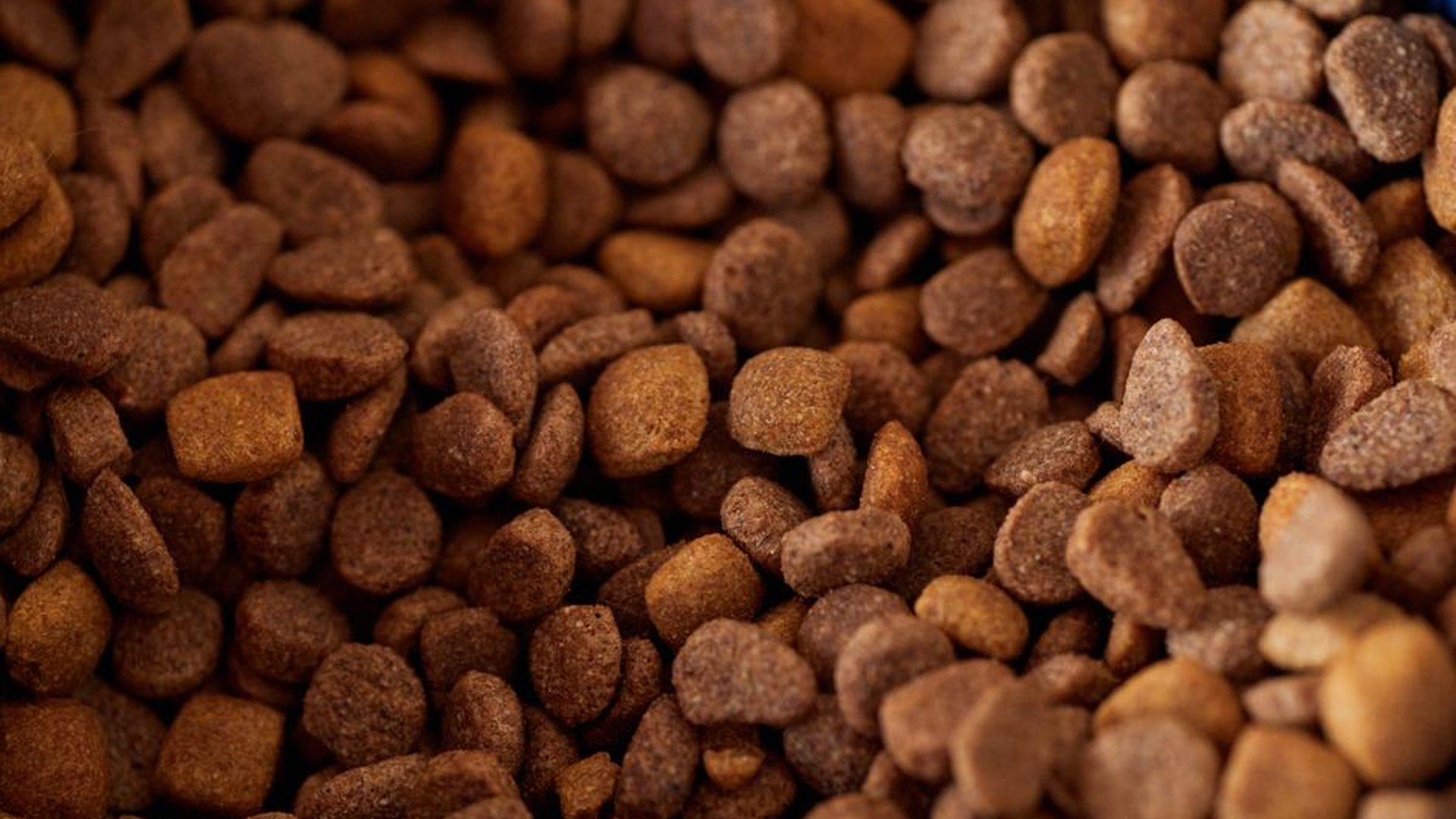
How to Read Cat Food Labels with Confidence
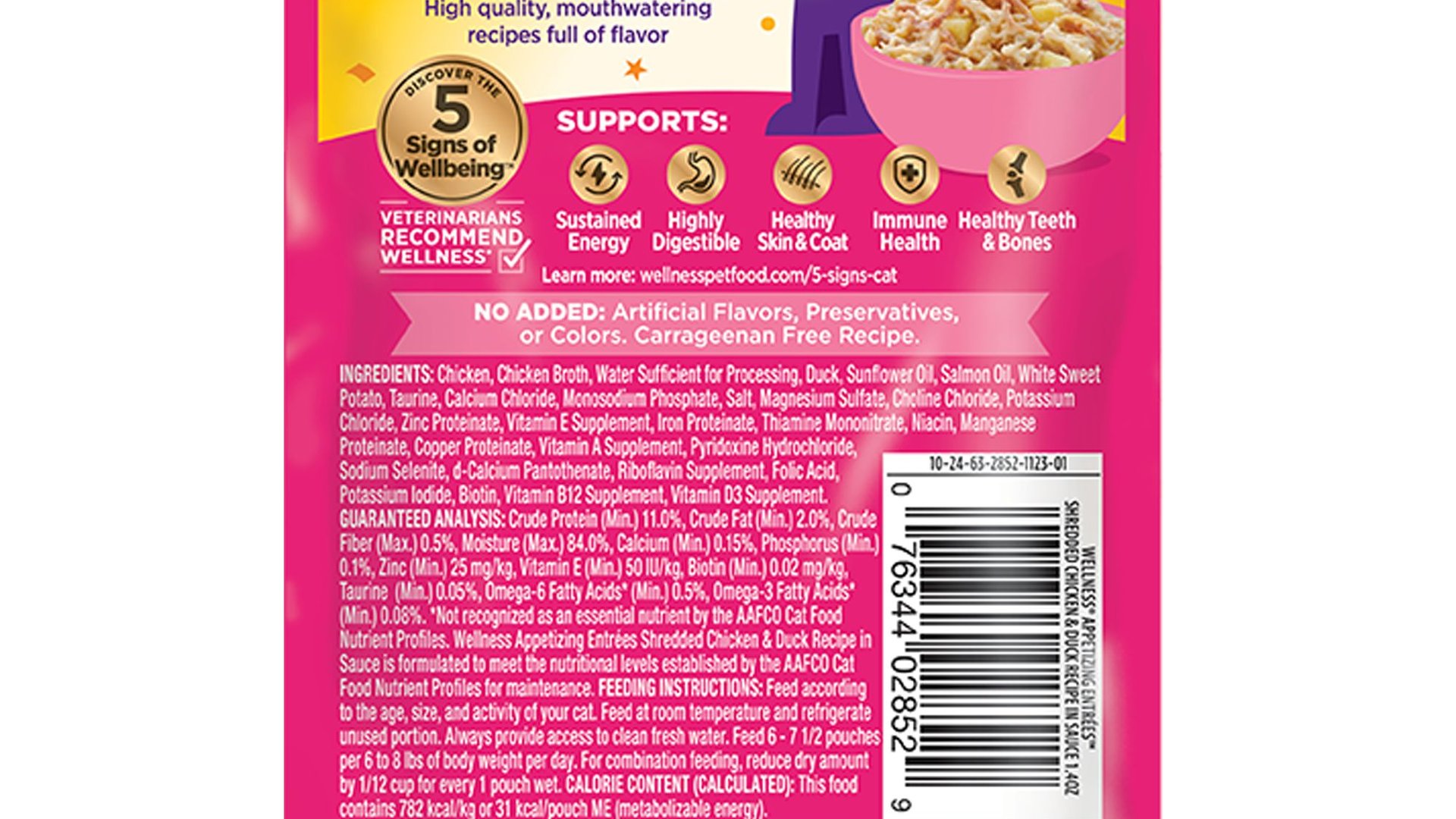
The label on a cat food bag can feel like a foreign language. But with a few simple rules, you’ll be able to decode it like a pro. First, look at the ingredient list—this is not a marketing list, it’s a science-based record of what’s actually inside. Ingredients are listed in order of weight, so if chicken is #1, it’s the most abundant ingredient. Be wary of long lists that include grains, corn, or wheat—these are often fillers that cats struggle to digest and may contribute to food sensitivities.
Next, examine the guaranteed analysis. This section tells you the minimum protein, maximum fat, and fiber content. For kittens, aim for 30% minimum protein, 15% minimum fat, and under 5% fiber. Any formula falling short on these benchmarks isn’t suitable for a growing kitten.
Finally, trust the science behind the brand. Brands like Wellness Core, Royal Canin Kitten, and Blue Buffalo Life Protection often publish full ingredient sourcing reports and third-party lab results. One owner in Austin, Texas, switched her kitten from a budget brand to Royal Canin after noticing slow weight gain. Within five weeks, the kitten caught up and began playing more actively—proof that good quality makes a measurable difference, not just a feeling.
Transitioning and Monitoring Your Kitten’s Progress
Choosing the right food is only half the battle. The transition matters just as much. A sudden switch can upset a kitten’s sensitive digestive system, leading to diarrhea or loss of appetite. Experts recommend a 7-day transition: start with 75% of the old food and 25% new food, then gradually increase the new food by 25% every two days until fully switched.
During this time, monitor your kitten closely. Look for signs of improvement: increased playfulness, a shinier coat, steady weight gain, and consistent bowel movements. If the kitten starts losing interest in food, develops a bloated belly, or shows signs of vomiting, consult your vet immediately.
One owner in Seattle shared how her kitten refused to eat after a quick switch. She followed the 7-day method, added a small scoop of warm water to make it more appealing, and within a week, the kitten was eating with enthusiasm again. The lesson? Patience pays off. Growth isn’t just about filling a bowl—it’s about building trust and consistency through careful choices.
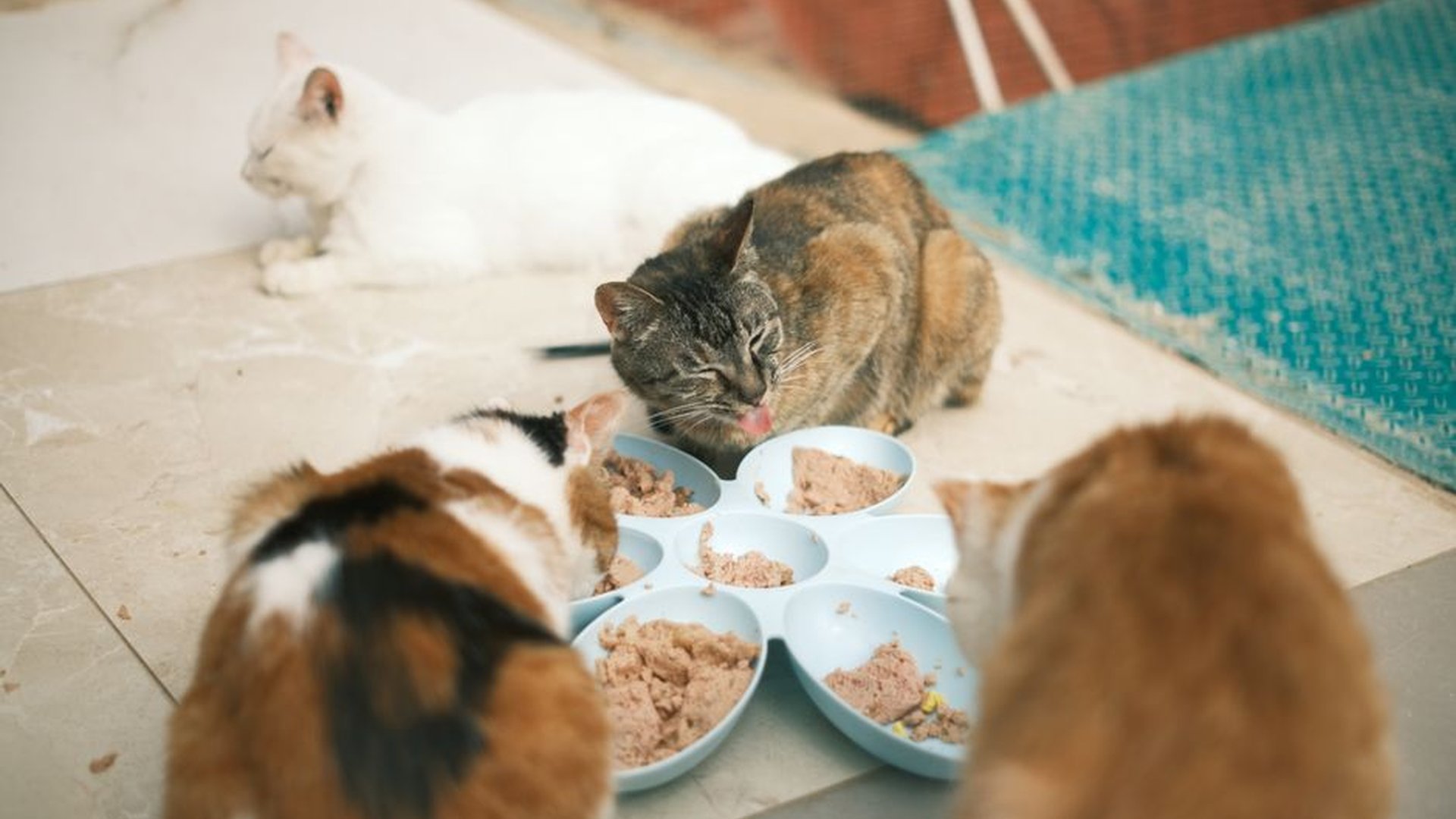
Why Day One Decisions Last a Lifetime
The truth is, the food you choose on Day One shapes your kitten’s health for the long term. Studies from the University of California, Davis, show that cats fed nutritionally complete kitten diets from birth have a 30% lower risk of developing urinary tract issues, obesity, and dental problems in adulthood. Early nutrition lays the foundation for every system—immune, digestive, and neurological.
That’s why we at Best Cat Foods don’t just recommend products—we test them. Every kitten food we review goes through a full nutritional audit, ingredient traceability check, and palatability trial with actual kittens. We don’t use marketing terms like ‘natural’ or ‘premium’ as a badge of honor. We use facts, lab data, and real owner experiences to guide your decision.
Smart kitten food choices from day one aren’t just about finding a brand with a catchy name. They’re about understanding what your kitten truly needs to thrive—biologically, emotionally, and physically. When you choose wisely, you’re not just feeding a pet. You’re investing in a lifetime of health, curiosity, and joy. Your kitten will thank you with every purr, leap, and cuddle.