When Does a Kitten Become an Adult Cat?
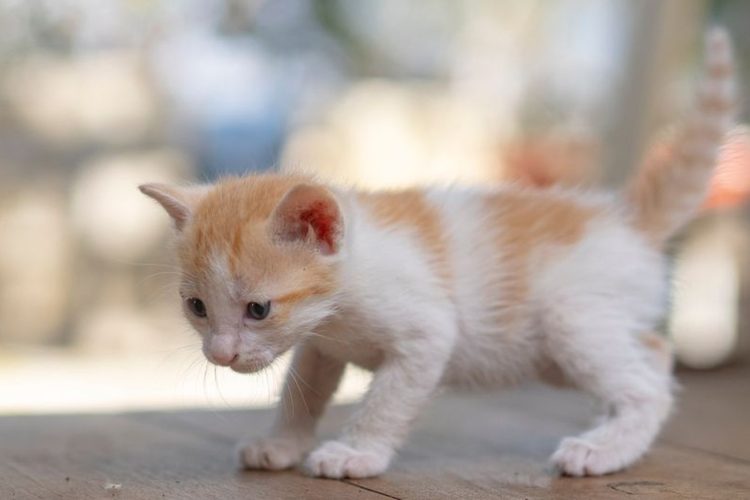
The moment your tiny, wiggly kitten takes its first determined steps across the living room floor, you’re already caught in the beautiful chaos of feline parenthood. But as your kitten grows from a bundle of curiosity into a confident, pouncing adolescent, a natural question emerges: when exactly does a kitten become an adult cat? The answer isn’t as simple as a calendar date. Instead, it’s a complex journey of physical, behavioral, and metabolic transformation that unfolds over the first 12 to 18 months of life. Understanding this progression is essential—not just for appreciating your cat’s evolving personality, but for ensuring they receive the right nutrition, care, and environment at every stage.
From Kitten to Adolescent: The First 6 Months
The first six months of a kitten’s life are a period of astonishing change. In just weeks, a kitten transitions from a helpless newborn who can’t even hold up its head to a playful, nimble explorer. During this phase, their bodies grow at a pace unmatched in most animals. A kitten’s weight can triple or quadruple in just three months. Their muscles develop rapidly, and their coordination improves daily—watching them practice pouncing on a toy is like witnessing a tiny predator hone its skills.
Nutrition is critical during this time. Kittens require a diet high in protein, fat, and essential amino acids like taurine, which are vital for heart and eye health. A diet meant for adult cats simply won’t provide enough energy or nutrients to support this rapid growth. That’s why most experts recommend feeding kittens a specially formulated food until they reach about 6 months of age. In a real-life example, a couple in Portland, Oregon, noticed their 4-month-old kitten, Luna, was losing energy and not gaining weight as expected. After switching from a generic cat food to a vet-recommended kitten formula, Luna’s energy returned within two weeks, and her growth curve normalized.

Teens and the 6–12 Month Transition
By 6 months, most kittens begin to show signs of maturity. Their baby teeth are replaced by permanent adult teeth, their fur thickens and takes on adult texture, and their behavior becomes more predictable. Many begin to form stronger emotional bonds with their human caregivers, and their playful aggression—such as biting or swatting—starts to shift from instinctual to social. You’ll notice they begin to groom themselves more consistently, a sign they’re developing adult hygiene habits.
This is also when their metabolism stabilizes. The hyperactive energy bursts that defined their earlier months begin to dial down. What once seemed like endless playtime now gives way to longer stretches of napping and more focused behaviors, like stalking birds through a window or carefully inspecting new toys. It’s a crucial time for introducing new feeding routines. Some cat owners mistakenly continue feeding kitten food beyond 12 months, which can lead to weight gain, since adult cats don’t need the same high-calorie intake.
In a case from suburban Chicago, a 9-month-old kitten named Milo was diagnosed with mild obesity after being fed kitten food beyond his developmental stage. His vet advised switching to a high-protein, low-carb adult cat formula. Within three months, Milo’s body condition improved, and his activity level returned to a healthy, balanced rhythm.

The 12–18 Month Mark: When Is Your Cat Truly an Adult?
While most cats are considered adults by 12 months, some large breeds like Maine Coons or Ragdolls may not reach full maturity until they’re 18 to 24 months old. The transition from kitten to adult is more gradual than it appears. At 12 months, a cat is no longer a kitten in age, but their body and behavior may still reflect adolescent energy. They might still enjoy chasing laser dots late at night or testing their strength on wooden furniture—behaviors that, while endearing, can signal incomplete nervous system maturation.
Key indicators that your cat has officially entered adulthood include:
– Consistent body weight and stable appetite
– Full adult coat and dental structure (no baby teeth remaining)
– Calmer, more predictable behavior patterns
– A defined personality that isn’t changing rapidly
By 18 months, most cats have settled into a routine. They’re no longer growing in height or size, and their hormonal drives have stabilized. This is the ideal time to make a final switch from kitten food to an adult cat food formula. But don’t just flip a switch based on age alone. Consider your cat’s body condition, activity level, and any existing health concerns. For example, a 14-month-old cat with a history of urinary tract issues might benefit from a specially formulated adult formula designed for urinary health.

Adjusting Nutrition for Adult Cats
One of the most common mistakes cat owners make is continuing to feed kitten food into adulthood. While kitten food is packed with nutrients to support fast growth, it’s also high in calories and fat. Long-term use can lead to obesity, heart strain, and even diabetes—especially in indoor cats with limited activity.
The right adult cat food should emphasize:
– High-quality animal protein (look for real meat as the first ingredient)
– Moderate fat levels to maintain energy without excess
– Balanced fiber and low carbohydrate content
A study published in the Journal of Feline Medicine and Surgery found that cats fed a nutritionally balanced adult diet had a 30% lower risk of developing metabolic syndrome compared to those fed kitten food past 12 months. That’s a powerful testament to the importance of timely dietary changes.

Supporting Health Through Every Stage
Understanding when a kitten becomes an adult cat isn’t just about age—it’s about observing, adapting, and supporting your cat’s natural journey. From the tiny, clumsy explorers you first held in your hands to the confident, curious companions they become, every phase carries unique needs. By staying informed, monitoring physical and behavioral changes, and adjusting care accordingly, you give your cat the best chance at a long, healthy life.
The bond you build with your cat over these years is powerful. When you recognize the quiet shift in their gaze, the steady purr during a nap, or the way they now curl up beside you on the sofa not out of curiosity, but out of trust—you know the journey has been worth every moment. And it all begins with knowing: when does a kitten become an adult cat? The answer lies not in a single date, but in the quiet, steady evolution of a life you’ve chosen to cherish.