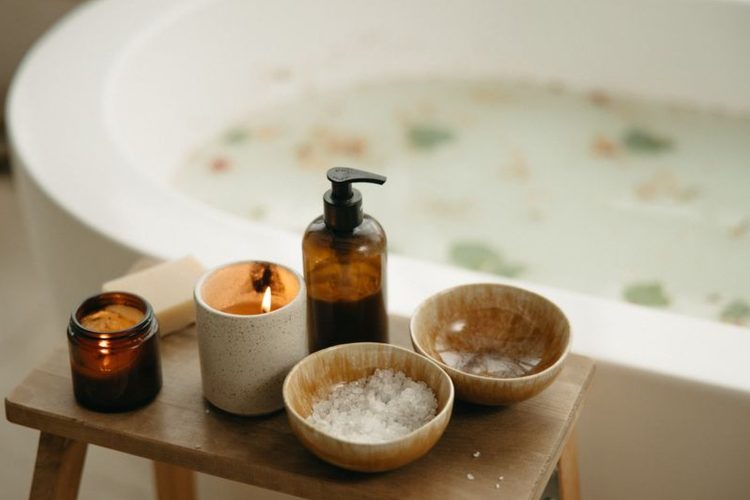
Prepare the Right Environment for Calmness
Before you even think about wetting your dog’s fur, focus on creating a peaceful setting. Many dogs panic during baths not because they dislike water, but because their environment feels intimidating. A cold, tiled bathroom with harsh lighting and loud noises can trigger fear. Instead, choose a warm, quiet area like a bathroom with soft lighting or even a laundry room with a non-slip mat. Play calming background music—nothing too loud, just soft instrumental tracks. Make sure the room is free of distractions like vacuum cleaners, open doors, or other pets. This small setup shift does more than reduce stress—it sets the tone for your dog to feel safe and relaxed. Remember, dogs are highly sensitive to their environment. If they feel secure, they’re far more likely to let you bathe them without resisting.
Use Gentle, Dog-Friendly Products
The wrong shampoo can turn a simple bath into a nightmare. Human shampoos often contain sulfates, alcohol, and fragrances that strip natural oils and irritate your dog’s skin. Instead, always use a pH-balanced, tear-free formula designed specifically for dogs. Look for ingredients like oatmeal, aloe vera, or chamomile—these calm irritated skin and help prevent dryness. If your dog has allergies or sensitive skin, opt for hypoallergenic or vet-recommended products. Avoid over-scented formulas; strong smells can overwhelm a dog’s sensitive nose, increasing anxiety. Take time to read labels, and trust brands with proven safety records. A good product won’t just clean—it’ll maintain healthy coat and skin, reducing itchy, flaky skin that leads to excessive scratching during grooming. Always read the ingredient list: if it lists ‘sodium lauryl sulfate’ or ‘parabens,’ skip it. Your dog’s well-being depends on using the right tools, not just the right approach.
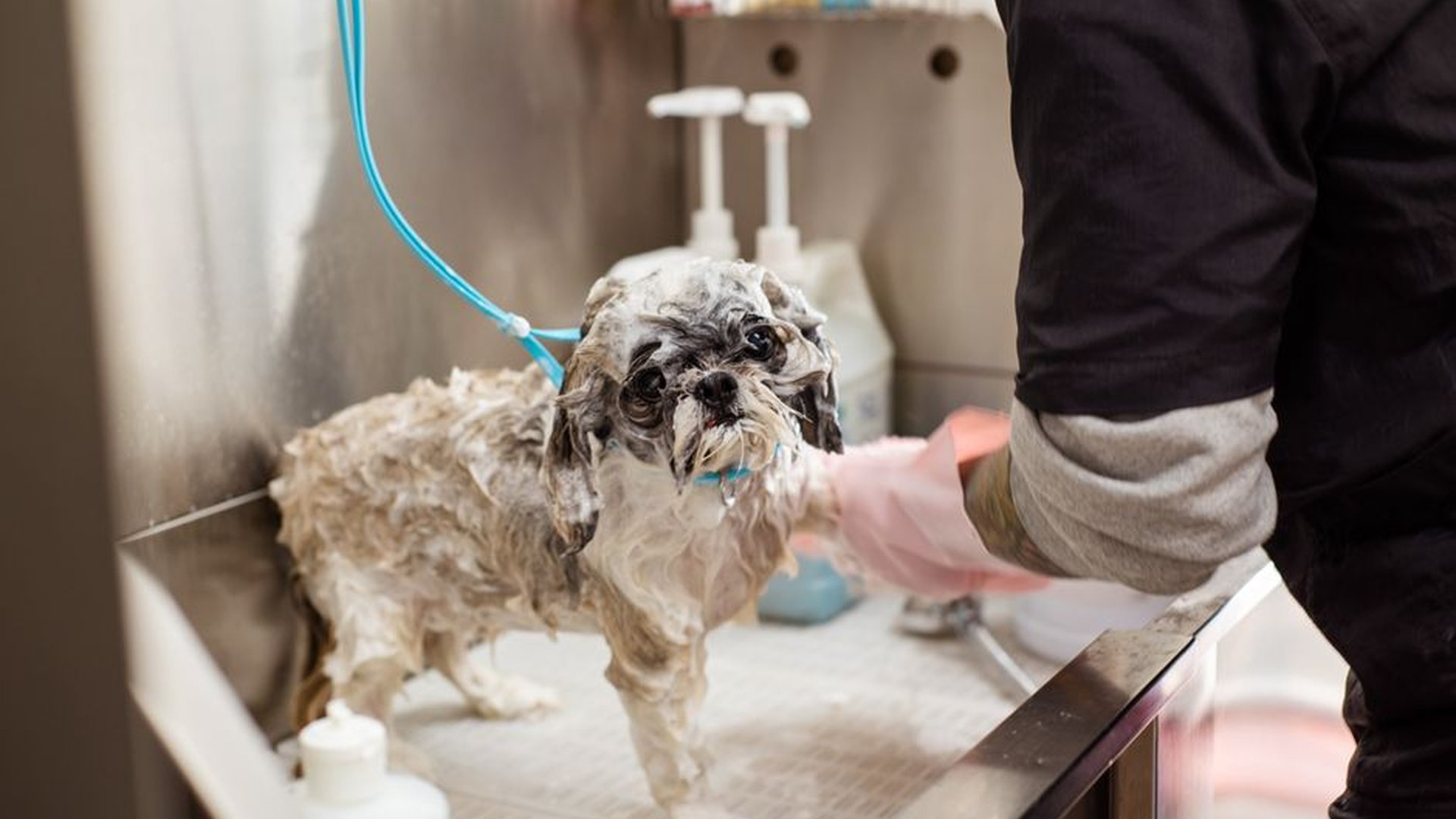
Introduce Water Gradually and with Confidence
Dogs often fear baths because they’re startled by sudden water pressure or cold streams. To prevent panic, start by letting your dog approach the bath area on their own terms. Place a shallow tub or a large basin filled with lukewarm water—about 100°F, which feels warm to human touch but not hot. Offer a treat or two as a positive gesture. Let them sniff and explore. Then, use a soft hand-held showerhead or a cup to gently pour water over their back, avoiding the face and ears. Use slow, soothing motions. If your dog flinches, pause, wait, and then continue. Confidence is key: speak in a calm, low voice and repeat simple reassurance like, ‘Good boy. You’re doing great.’ This builds trust. The goal is not to rush, but to condition your dog to view water as neutral or even pleasant. Gradual exposure helps dogs overcome fear—just like desensitization in behavior training. Over time, most dogs begin to associate baths with safety and reward.
Focus on Key Areas and Keep It Brief
Bathing your dog doesn’t mean scrubbing every inch. Over-grooming causes stress, skin irritation, and shorter coat health. Stick to essential areas: underarms, paws, tail, and behind the ears—these collect dirt, allergens, and odors most. Use a soft brush or sponge, not a harsh towel. Work in sections, starting from the shoulders and moving down. Avoid getting water into the ears, which can lead to infections. Instead, use cotton balls lightly rolled around the ear canal to dab moisture. If your dog has long fur, detangle before bathing to prevent matting. Time matters too—most baths should last no more than 10 to 15 minutes. Set a timer if needed. Keep sessions short, focused, and rewarding. After washing, dry with a soft towel or low-heat blow dryer, never hot air. A few treats and a calm voice after drying reinforces the positive experience, making future baths easier.
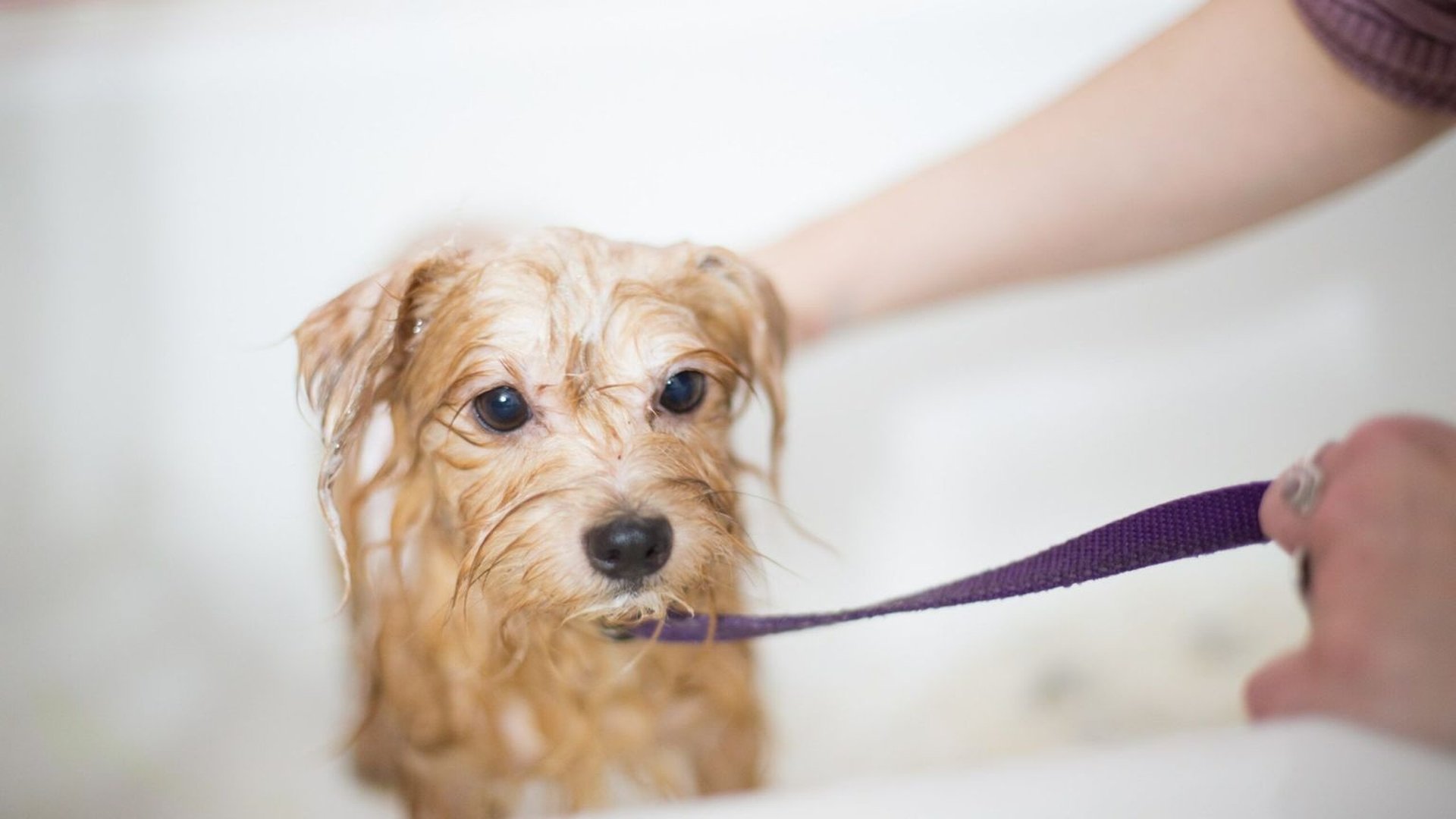
Make Bath Time a Positive Routine
Consistency and reward are the ultimate keys to a stress-free bath. Make it a habit to bathe your dog at the same time and in the same place—this routine builds familiarity. Use the same soothing voice, same products, and same post-bath ritual. After every bath, offer a special treat, a favorite toy, or a few minutes of playtime. This teaches your dog to associate bathing with fun, not fear. For example, Sarah, a dog owner in Portland, shares how her 10-year-old golden retriever, Max, used to react with barking and hiding before baths. After 3 weeks of using gentle routines, calming music, and treats after each session, Max now walks to the bathroom on his own. It wasn’t magic—it was consistency. Always end with comfort, not stress. If your dog still shakes, pants, or tries to escape, don’t force it. Stop, calm down, and try again another day. Patience is not weakness—it’s part of effective care. Remember, your goal isn’t perfection. It’s progress. With time and care, every dog can learn to tolerate—and even enjoy—bathing.
Final Thoughts: Patience and Routine Win Every Time
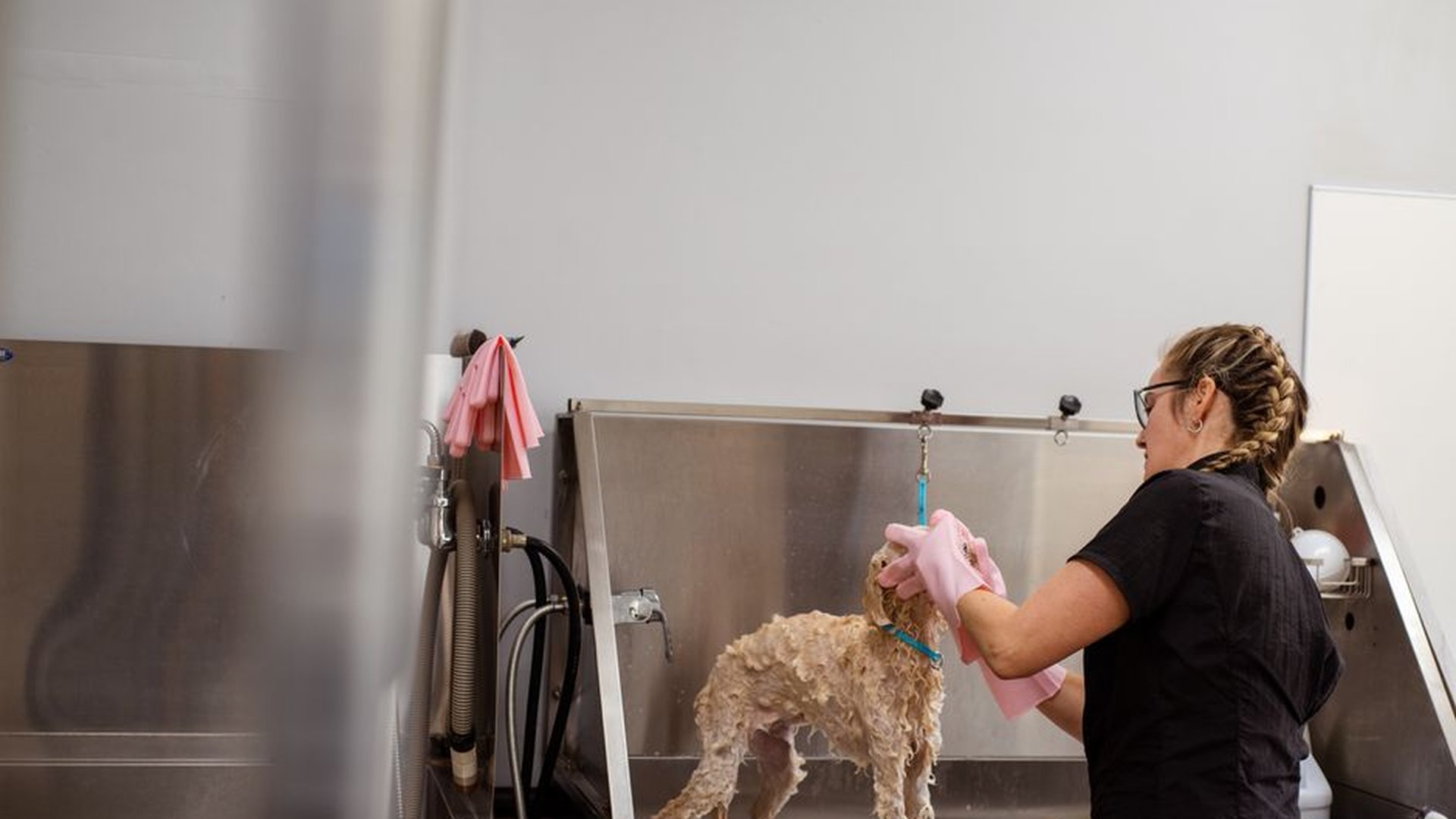
Giving your dog a stress-free bath isn’t about mastering a technique overnight. It’s about creating trust, using the right tools, and making each experience positive. The most effective baths aren’t the fastest—they’re the ones where your dog stays calm, breathes normally, and even leans into your hand. When you follow these simple steps, you’re not just cleaning fur—you’re strengthening your bond. A calm dog is a healthier, happier dog. And for you, it means less frustration, less time spent on grooming, and more joy in daily care. Start small, stay consistent, and celebrate every win—no matter how small. Because every dog deserves a bath without fear.