Why Training Treats Matter More Than You Think
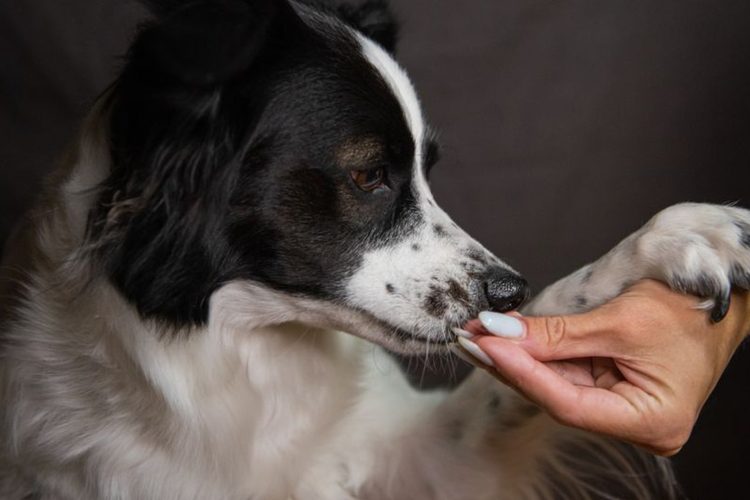
When you bring home a new dog, excitement mixes with uncertainty. You’ve got a loyal companion, but now you’re facing the real work: teaching basic commands, housebreaking, and managing behavior. That’s where training treats come in—not just as snacks, but as essential tools. The wrong treat can sabotage your efforts; the right one can turn a stubborn pup into a responsive partner. For new dog owners, understanding what makes a great training treat isn’t optional. It’s foundational. A treat that’s too big, too chewy, or too distracting won’t keep your dog focused during short training sessions. But a well-chosen treat? It becomes a bridge between you and your dog, reinforcing desired behaviors with precision and consistency.
Size, Texture, and the Science of Bite-Size Rewards
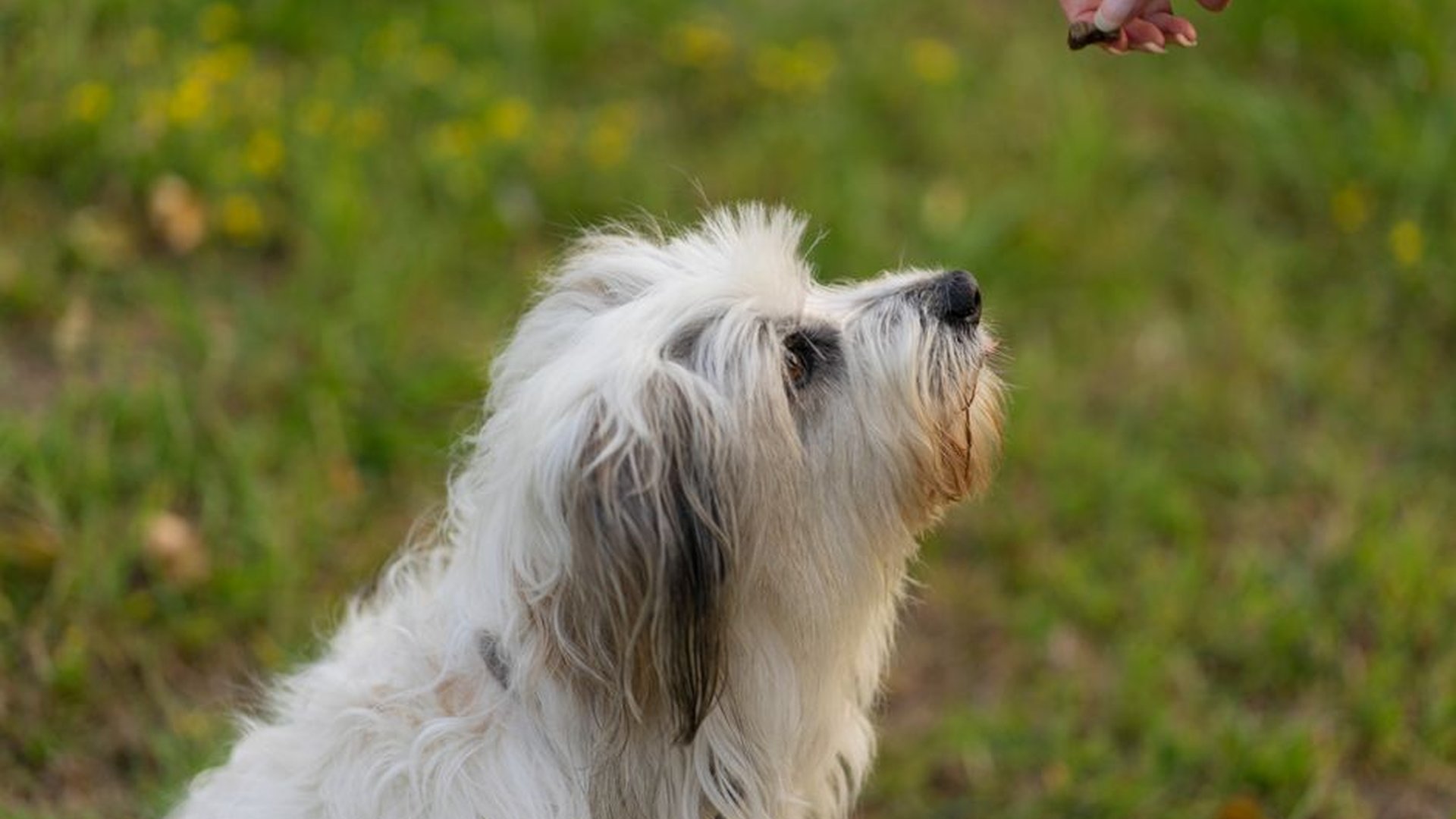
The most underrated factor in choosing training treats is size. Many new owners grab the first bag they see—usually a standard-sized commercial treat—and assume it’s okay. But when you’re working on commands like “sit” or “stay,” a treat the size of a quarter can disrupt progress. It takes too long to chew, breaks your dog’s focus, and may even cause frustration if they’re eager for the next cue. A great training treat should fit in the palm of your hand, ideally no larger than a coin. This allows for rapid delivery, minimizing delay between command and reward.
Texture matters just as much. Soft, crumbly treats are ideal because they dissolve quickly in your dog’s mouth. They don’t get stuck, and your dog doesn’t need to spend time chewing—critical during high-engagement training. In contrast, hard or rubbery treats can cause prolonged chewing, which distracts from new behaviors. Think of your dog as a student in a fast-paced classroom. You want immediate, clear feedback. A soft, fast-dissolving treat provides that. It’s not just about convenience—it’s about cognitive efficiency. Dogs learn best when rewards are immediate and effortless to consume.
Ingredient Quality: What’s Really in Your Treat?
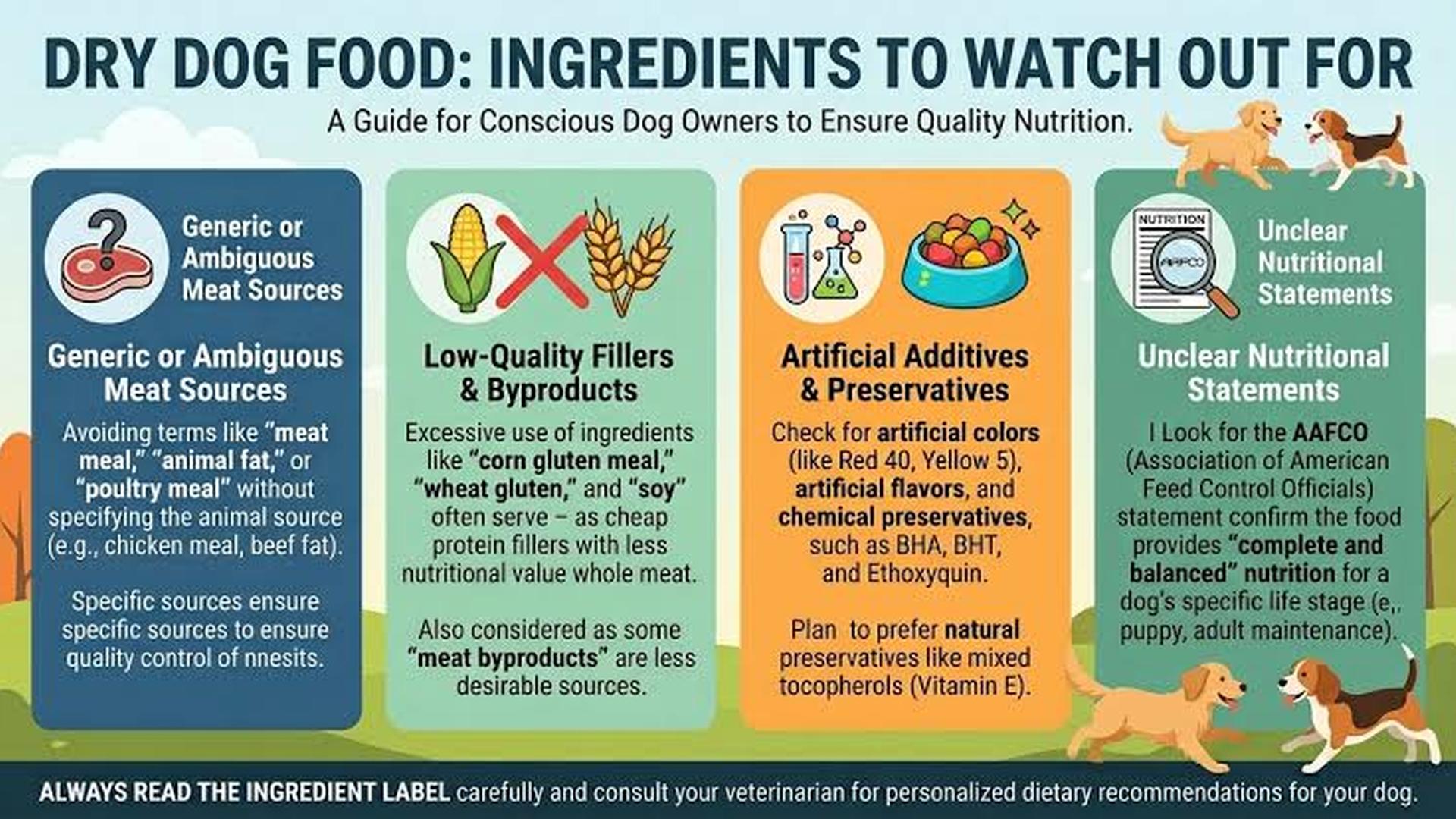
A common mistake new dog owners make is choosing treats based on appearance or price alone. But ingredient quality makes a massive difference in long-term outcomes. A treat that contains low-grade meat by-products, artificial colors, or fillers like corn and wheat may seem harmless. But these ingredients can cause digestive upset, allergic reactions, or even contribute to weight gain over time.
The best training treats use high-quality, recognizable ingredients. Look for real meat—chicken, beef, or salmon—as the first ingredient. Avoid treats with vague labels like “animal protein” or “meat meal.” Instead, opt for those with whole food sources, such as dried egg whites, sweet potatoes, or oats. These aren’t just healthier—they’re more palatable to most dogs. For example, a treat made with real chicken and freeze-dried liver not only tastes better but also signals to your dog that this reward is valuable. This builds trust in the training process.
Consider this real-life example: Sarah, a 32-year-old new dog owner in Austin, struggled with her two-year-old rescue mix, Luna. She was using generic treats from the pet store, but Luna barely responded to commands. After switching to a high-protein, grain-free treat made with real salmon and sweet potato, Luna’s focus doubled. Within three weeks, Luna learned “come,” “leave it,” and even “place”—a first for Sarah. The change wasn’t due to better training techniques alone; it was because the treat finally had the right balance of flavor and nutrition.
Palatability vs. Portability: Finding the Balance
Every dog is different. Some love the smell of fish; others are more drawn to beef. But what works for one dog might not work for another. That’s why palatability—the actual taste and appeal—is a major factor. A treat that your dog refuses to eat defeats the entire purpose. However, it’s not enough to pick the most delicious one. You also need to consider portability and storage.
Great training treats should be easy to carry in your pocket or treat pouch. They shouldn’t crumble, melt, or stick to your fingers. Moisture and high-fat content increase spoilage risk—especially during outdoor training on hot days. Look for treats that are dry, compact, and sealed in resealable packaging. This ensures freshness and reduces waste. Some brands even include small zip-lock bags inside their packaging—perfect for on-the-go use.
For example, a dog owner in Portland, Oregon, named James, uses a trail mix-style treat made from dehydrated chicken, apple, and pea flour. It’s lightweight, doesn’t require refrigeration, and he can carry 20 pieces in his pocket. When training on nature trails, the treat stays effective even after a 2-hour hike. Its durability, combined with natural ingredients, made it ideal for long outdoor sessions.
How to Choose the Right Treat for Your Dog’s Needs
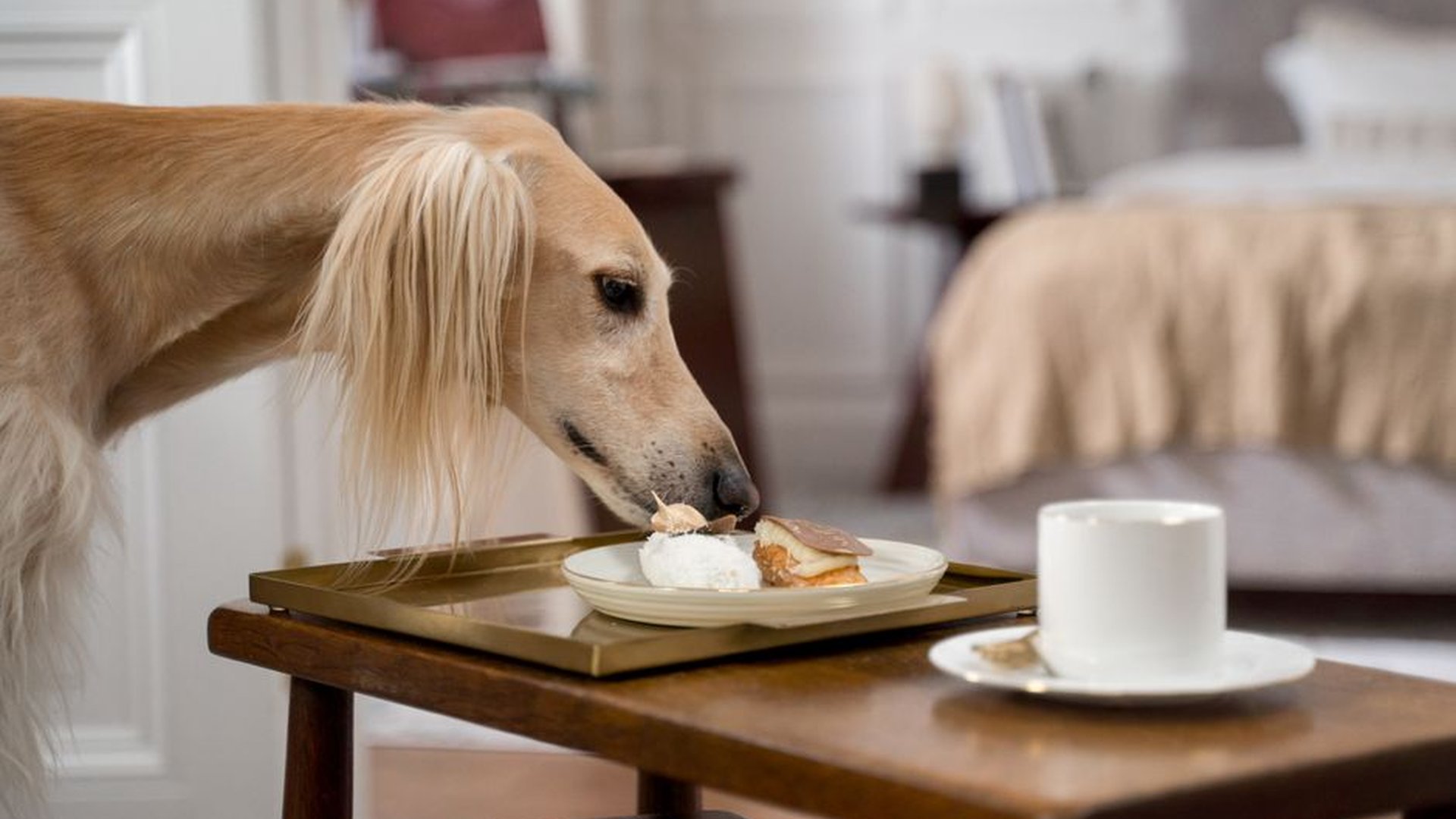
Not every dog needs the same type of treat. Consider your dog’s age, health, and training goals. Senior dogs may need softer, easily digestible options. Dogs with food sensitivities should avoid common allergens like wheat or dairy. Overweight dogs benefit from low-calorie, protein-rich treats to stay on track with weight management.
When starting training, begin with a single type of treat and track your dog’s response. Keep a simple log: Did they eat it immediately? Did they seem excited? If the answer is yes, you’ve found a winner. If not, try switching to a different flavor or texture.
Also, remember: treats are not a replacement for meals. They should make up no more than 10% of your dog’s daily caloric intake. Overuse can lead to poor nutrition and resistance to future training. Use them strategically—after every correct behavior, after every 30 seconds of focus, or after a successful command. Treats aren’t just rewards. They’re the language of success in training.
Final Thoughts: Treats That Work as Hard as You Do
Training isn’t just about commands. It’s about building a bond, developing trust, and shaping a happy, well-behaved dog. And at the heart of every effective training session is the right treat—small, soft, delicious, and made with care. For new dog owners, your choice of treat can make the difference between frustration and progress. It’s not just about feeding your dog—it’s about communicating with them. The right treat isn’t just food. It’s a tool, a signal, a partner in progress. Choose wisely. Train smart. And watch your dog thrive.