Understanding Kidney Disease in Dogs
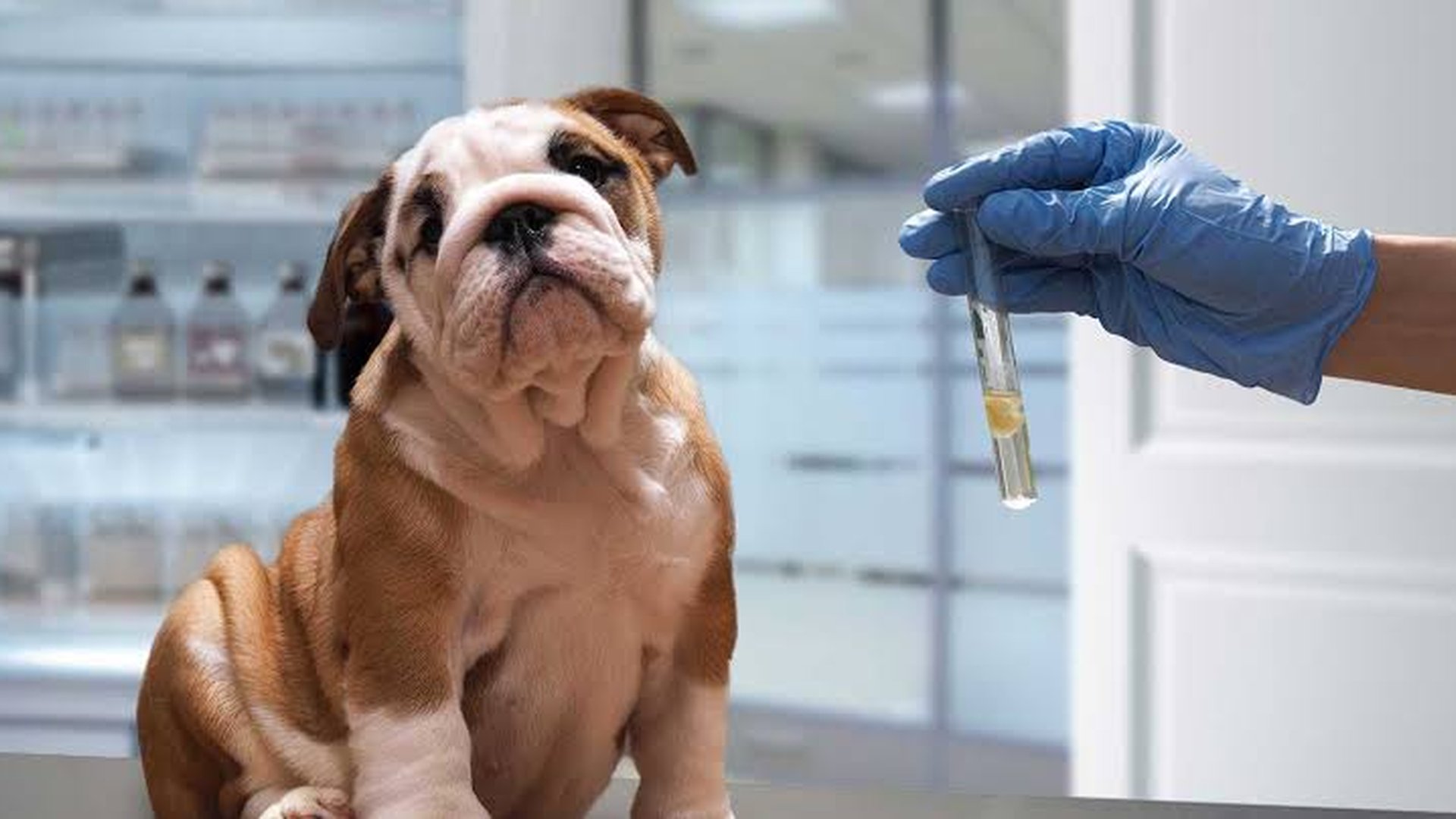
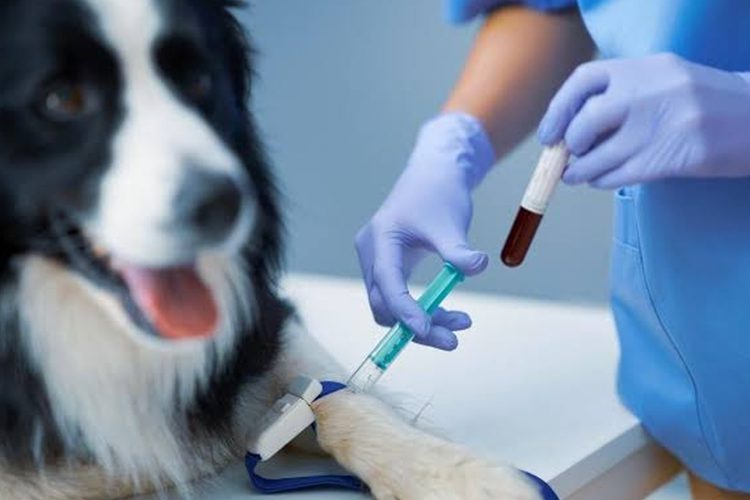
Kidney disease affects over 1 in 10 senior dogs, and it’s often silent until symptoms become severe. Unlike how people react to pain, dogs mask discomfort so well that owners might not notice changes until a blood test reveals elevated waste products like creatinine and BUN. In one case, a 9-year-old golden retriever named Max was diagnosed after his owner noticed he was drinking more water and losing his appetite. A routine check-up revealed advanced kidney insufficiency. The truth is, kidney disease isn’t just about old age—some breeds, like Cocker Spaniels and English Cocker Spaniels, have a higher genetic predisposition. But even healthy dogs can develop chronic kidney disease (CKD) if they’re exposed to toxins, dehydration, or poor-quality food long-term.
The kidneys are like high-performance filters. They remove waste, balance electrolytes, and regulate fluid. When they fail, toxins build up in the bloodstream, leading to nausea, lethargy, and weight loss. The goal of diet isn’t to cure kidney disease—it’s to slow its progression, improve quality of life, and extend the dog’s healthy years.
Key Nutritional Needs: What to Look For in Dog Food
Not all dog foods are built the same when it comes to kidney support. The right diet must strike a delicate balance between reducing kidney workload and preserving muscle mass. This means focusing on three core elements: protein quality, phosphorus control, and hydration.
First, protein. Many owners fear protein, thinking it directly damages kidneys. But research shows that high-quality, low-phosphorus protein actually supports recovery. Look for foods made with lean animal sources like chicken, turkey, or egg, and avoid by-products or fillers like corn gluten or soy. For instance, a well-formulated food like Hill’s Prescription Diet k/d contains exactly 17% protein—enough to maintain lean body mass, but not so much it overworks the kidneys.
Second, phosphorus. Elevated phosphorus levels accelerate kidney damage. Foods with less than 0.4% phosphorus on a dry matter basis are ideal. Avoid ingredients like bone meal, meat by-products, and dairy, which are phosphorus-rich. A real owner’s story from Portland, Oregon, shows how switching to a low-phosphorus diet helped her 12-year-old Dachshund, Luna, regain her energy within six weeks. Her vet confirmed a 30% drop in serum phosphorus levels after four months.
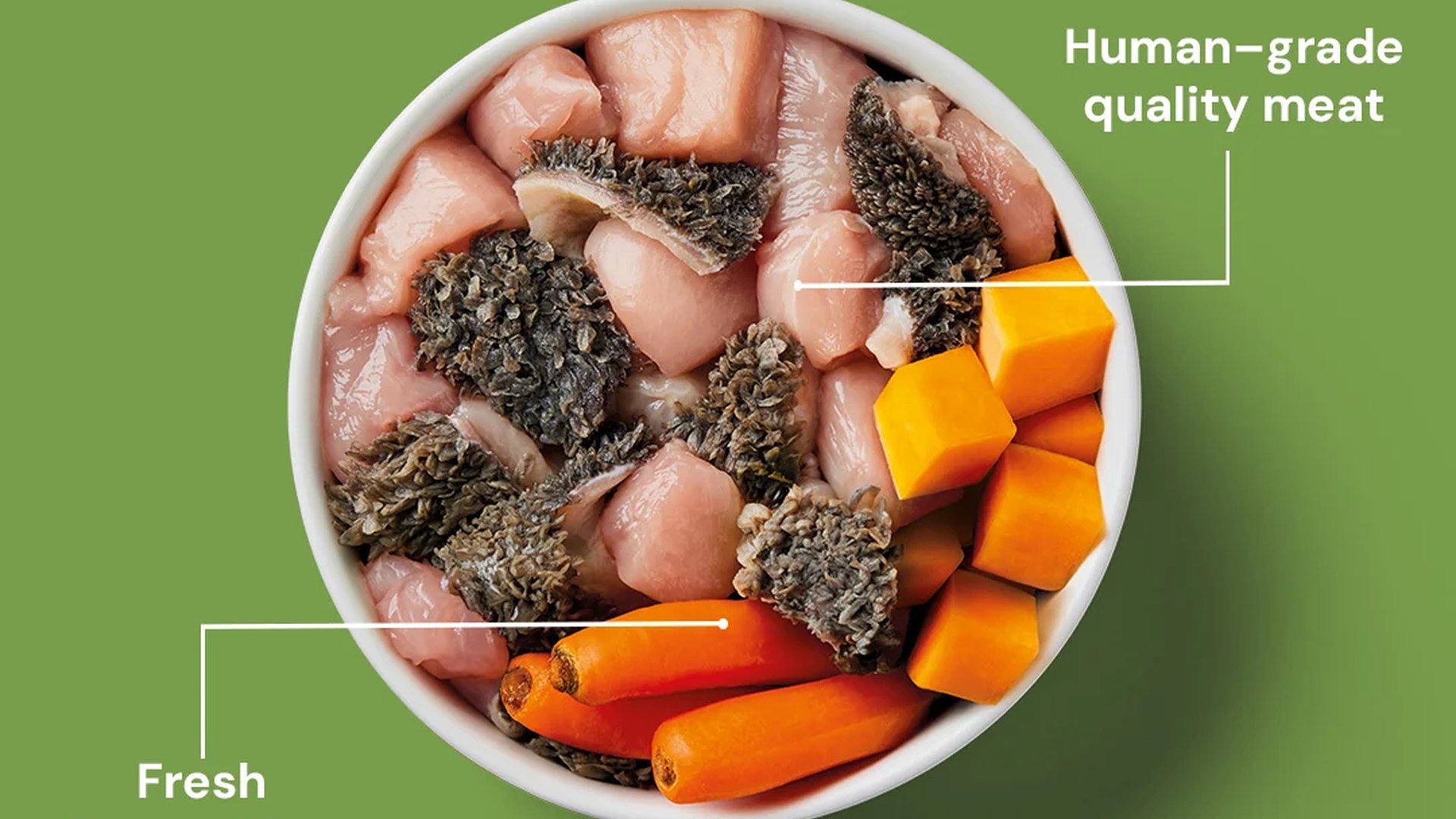
Third, hydration. Dogs with CKD often suffer from chronic dehydration, which worsens kidney stress. Foods with higher moisture content—like fresh food, canned meals, or moisture-rich kibble with 10%+ water—are crucial. Some owners even mix water into dry food or feed a mostly wet food diet to boost intake. One veterinarian in Austin, Texas, recommends starting with a 50/50 mix of wet and dry food for dogs who won’t eat canned alone.
How to Read Labels: The Real Factors That Matter
The label on your dog’s food might seem straightforward, but many pet parents miss critical details. A common mistake is believing that ‘grain-free’ or ‘natural’ means ‘kidney-friendly.’ That’s not true. These terms don’t address phosphorus, protein quality, or kidney-specific nutrients.
Start by checking the guaranteed analysis. Look for a dry matter (DM) phosphorus level under 0.6%. For example, a kibble with 1.0% phosphorus on a dry basis might seem okay—but once you convert it to dry matter, it’s actually 0.8%. That’s too high. Use a simple formula: (phosphorus % / 100 – moisture %) x 100. It’s not complicated, but it’s essential.
Next, examine the ingredient list. The first five ingredients should be real animal proteins. Avoid any mention of ‘meat by-product meal,’ ‘dried beet pulp,’ or ‘animal digest’ unless it’s clearly listed as a secondary ingredient. Also, watch for hidden phosphorus sources like sodium triphosphate or calcium propionate—often used as preservatives but dangerous for kidney health.
Finally, look for added nutrients like omega-3 fatty acids (from fish oil), vitamin B complex, and antioxidants. These help reduce inflammation and support cellular repair. A diet rich in these is not just about limiting damage—it’s about giving the body what it needs to fight back.
Real-Life Feeding Strategies That Work
Diet isn’t just about what’s on the label—it’s about how you feed it in real life. A dog with kidney disease may lose interest in food, so feeding becomes a daily challenge. Here are three proven strategies that real pet parents have used with success.
First, warming the food. Some dogs won’t eat cold food, especially when they’re not feeling well. Heating a small portion of canned food in a microwave (for 10–15 seconds) or sitting it out for 10 minutes can make it more appealing. A 72-year-old woman in Denver, Colorado, told us she warms her 10-year-old Pomeranian’s food every morning. ‘He used to push it away. Now he eats half a can before I even finish the bowl,’ she said.
Second, mixing in flavor enhancers. A few drops of low-sodium chicken broth, a spoon of plain yogurt, or even a pinch of freeze-dried liver can increase palatability. Just make sure they’re free from salt, onion, garlic, and artificial sweeteners.
Third, meal timing and environment. Feed in a quiet, calm spot, away from distractions. Some owners use treat puzzles or food rings to make mealtimes more engaging. One trainer in Seattle used a treat puzzle to help her 11-year-old German Shepherd, Cooper, eat two full meals a day again after a three-week refusal.

Working With Your Veterinarian: It’s Not a DIY Project
Choosing the right food isn’t about guessing. It’s a medical decision. Your veterinarian should monitor bloodwork every 3–6 months to track creatinine, BUN, and phosphorus levels. If your dog is on a prescription diet, your vet might adjust it based on lab results. Some dogs may need a transition from regular food to a kidney-specific formula over 7–10 days to avoid gastrointestinal upset.
Never switch foods abruptly. Sudden changes can cause vomiting, diarrhea, or even appetite loss. Always mix new food gradually—start with 25% new food and increase over time.
Also, keep a feeding diary. Record how much your dog eats, changes in water intake, energy levels, and any vomit or stool changes. This data helps your vet make informed decisions and catch early warning signs.
Finally, remember: a good diet doesn’t cure kidney disease. But it can give your dog an extra 12–24 months of active, joyful life. As one owner put it: ‘I didn’t save my dog from dying. I saved him from suffering.’