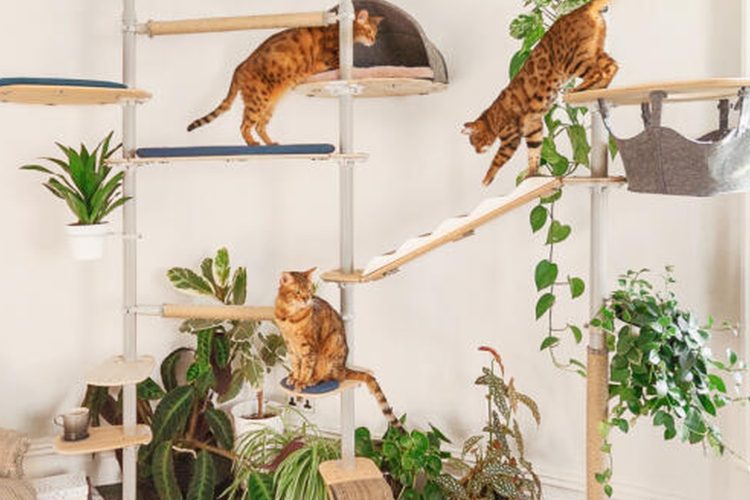
Why a Cat Tree Is More Than Just Furniture
Cats aren’t just pets—they’re explorers, climbers, and natural hunters. Even if your feline spends most of its time indoors, they still carry that wild instinct to climb, perch, and survey their territory from above. That’s where a cat tree becomes essential. It’s not just a piece of furniture; it’s a mental and physical wellness tool. Think of it as a jungle gym, a fortress, and a personal throne—all in one.
A well-chosen cat tree can reduce stress, prevent destructive behavior like scratching your sofa, and even help manage inter-cat tension in multi-cat homes. One cat owner in Portland shared that after installing a three-tier cat tree, her two cats, who used to fight over the windowsill, began spending peaceful time on separate levels—each claiming their own domain. The right structure doesn’t just hold a cat’s body; it supports their emotional balance.
Assess Your Cat’s Size and Activity Level
Before you shop, take a quick inventory: How big is your cat? How energetic are they? A 10-pound, 12-year-old cat with arthritis will have different needs than a five-month-old kitten full of reckless energy.
For small or senior cats, a low-profile cat tree with a soft mattress on the top platform offers comfort and easy access. Look for models with non-slip surfaces and built-in ramps instead of steep steps. On the other hand, active cats—especially the playful, jump-happy types—need vertical space. A tall, 6-foot tree with scratchable posts, enclosed nooks, and hanging toys is perfect for them. Remember: cats love to climb, but they’re also wary. They’ll avoid anything that feels unstable or unsafe, no matter how cool it looks.
One owner in Austin purchased a cat tree that was too narrow for her 20-pound Maine Coon. The cat would wobble on the platform and eventually give up, opting to sleep on the couch instead. After switching to a wider, stabilized base model with a wider platform, her cat started using it daily. Size isn’t just about height—it’s about stability, too.
Materials Matter: Quality Over Fluff
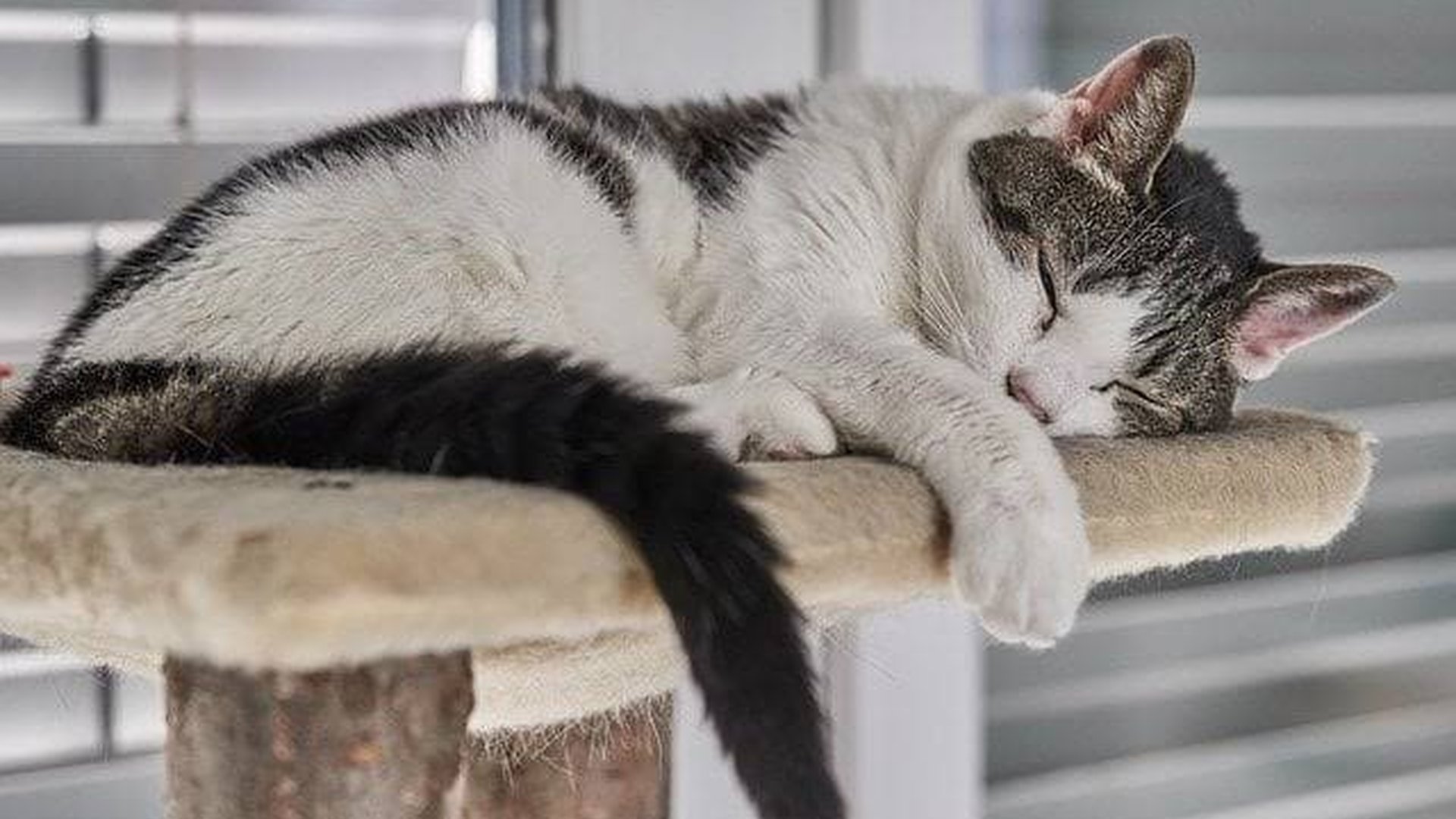
Not all cat trees are created equal. The materials used determine how long the tree lasts, how well it stands up to claws, and whether it can withstand your cat’s full-body leap from a chair.
Faux fur is popular, but it tends to mat and shed. For real durability, opt for tightly woven sisal rope on the posts—this is the gold standard for scratching. It mimics tree bark, which cats instinctively love to scratch. Avoid fake fur that peels or foam padding that flattens within weeks.
Frame stability is another critical factor. A solid wood frame with metal bracing under a carpeted base provides long-term strength. Look for models that meet a 300-pound weight test (some reputable brands publish this). If the base wobbles when you push it, or it tilts under your cat’s weight, it’s not safe.
In a case study from Chicago, a customer purchased a budget cat tree made of particleboard and thin plywood. Within two months, the structure began to sag. The cat stopped using it, and the owner ended up returning it. It wasn’t until they switched to a premium model with solid pine legs and reinforced joints that their cat started using it regularly.
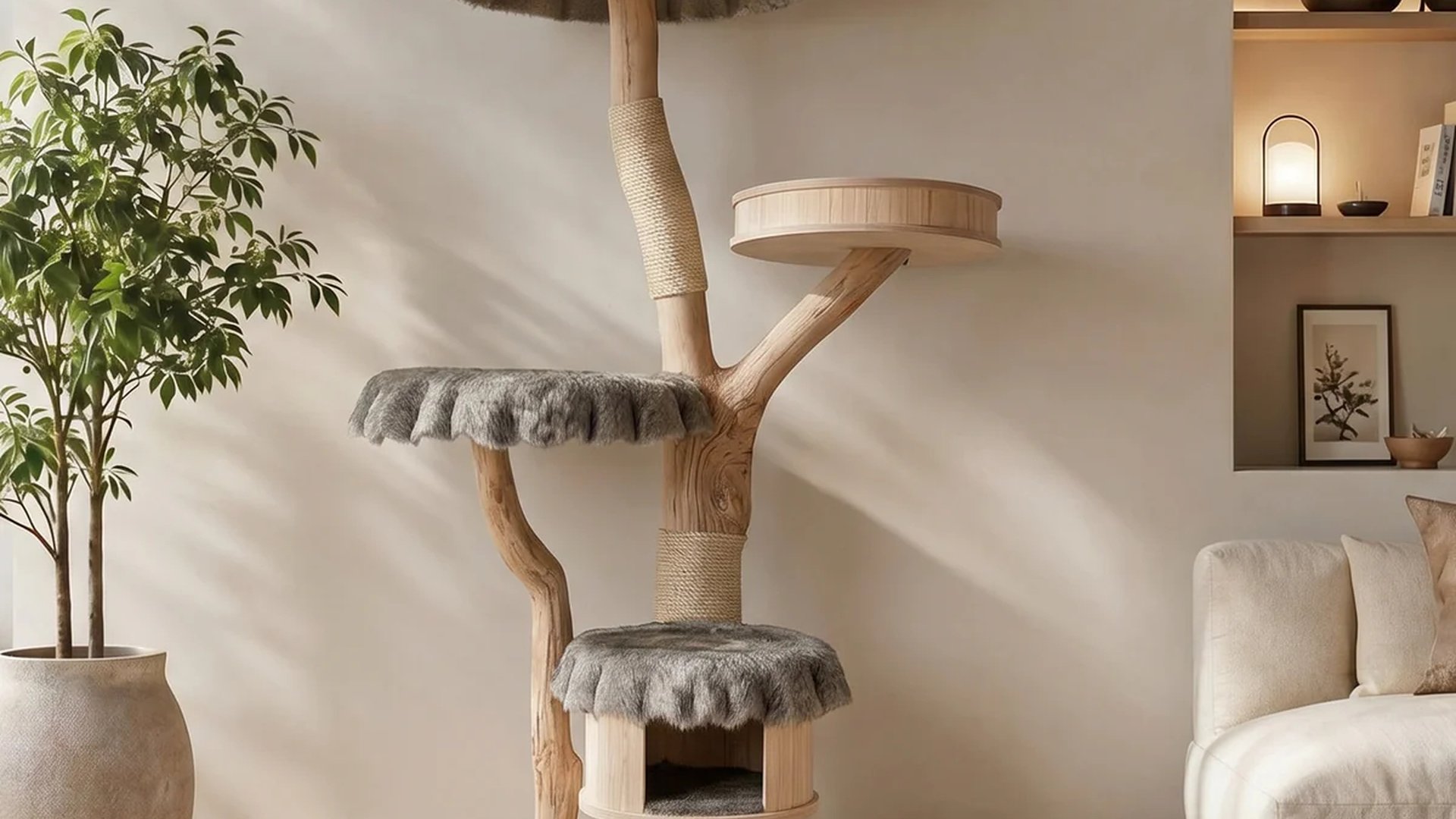
Design: Tailored for Your Home and Cat’s Personality
The best cat tree isn’t just about function—it’s about fit. The design should align with your cat’s behavior and your home’s layout.
Does your cat love to hide? Look for models with enclosed sleeping pods or built-in tunnels. A cat in Denver reported that her shy tabby, who once avoided the living room, now spends hours in the dome-shaped hideout on a cat tree, peering out like a feline secret agent.
For cats who love to jump and pounce, consider a tree with a dangling toy, a dangling ball, or even a detachable feather wand. These keep their minds sharp and their bodies active.
Also consider placement. A tree near a window encourages bird-watching behavior and mental stimulation. Place it in a high-traffic area to encourage use—cats often follow their human’s movement. Avoid corners with poor airflow or too much sunlight, as cats prefer cool, shaded spots for napping.
In a shared apartment in San Diego, a woman with three cats installed a modular cat tree in the center of her living room. Each cat claimed a different level and kept to themselves. The tree became a social hub—inviting, not intrusive. It worked because the design allowed for personal space while still encouraging family interaction.
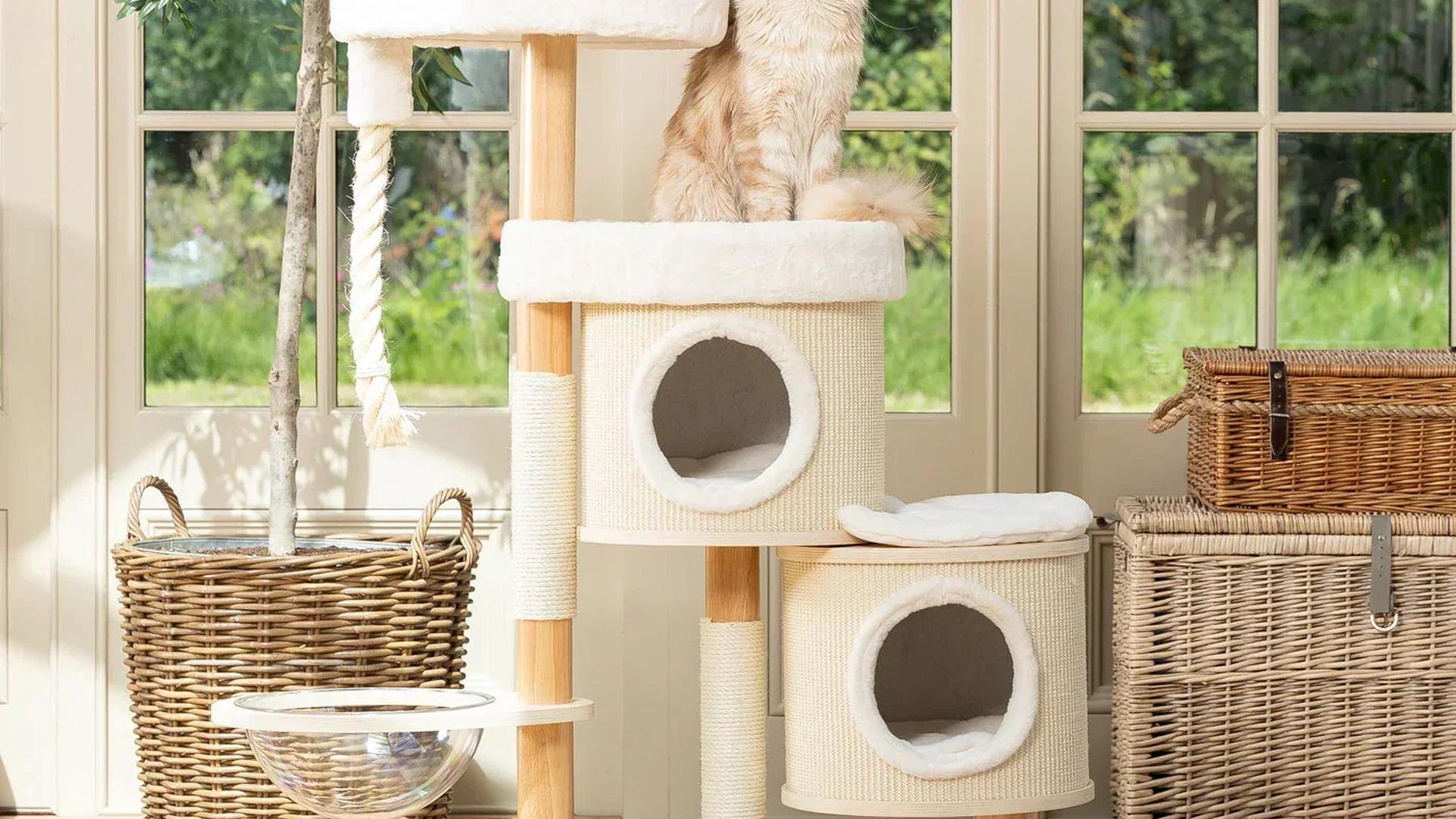
Maintaining the Tree: Keeping It Cat-Approved Over Time
Even the best cat tree will lose its appeal if not maintained. Cats are creatures of habit, and they’ll abandon a tree if it starts to smell, look worn, or feel unstable.
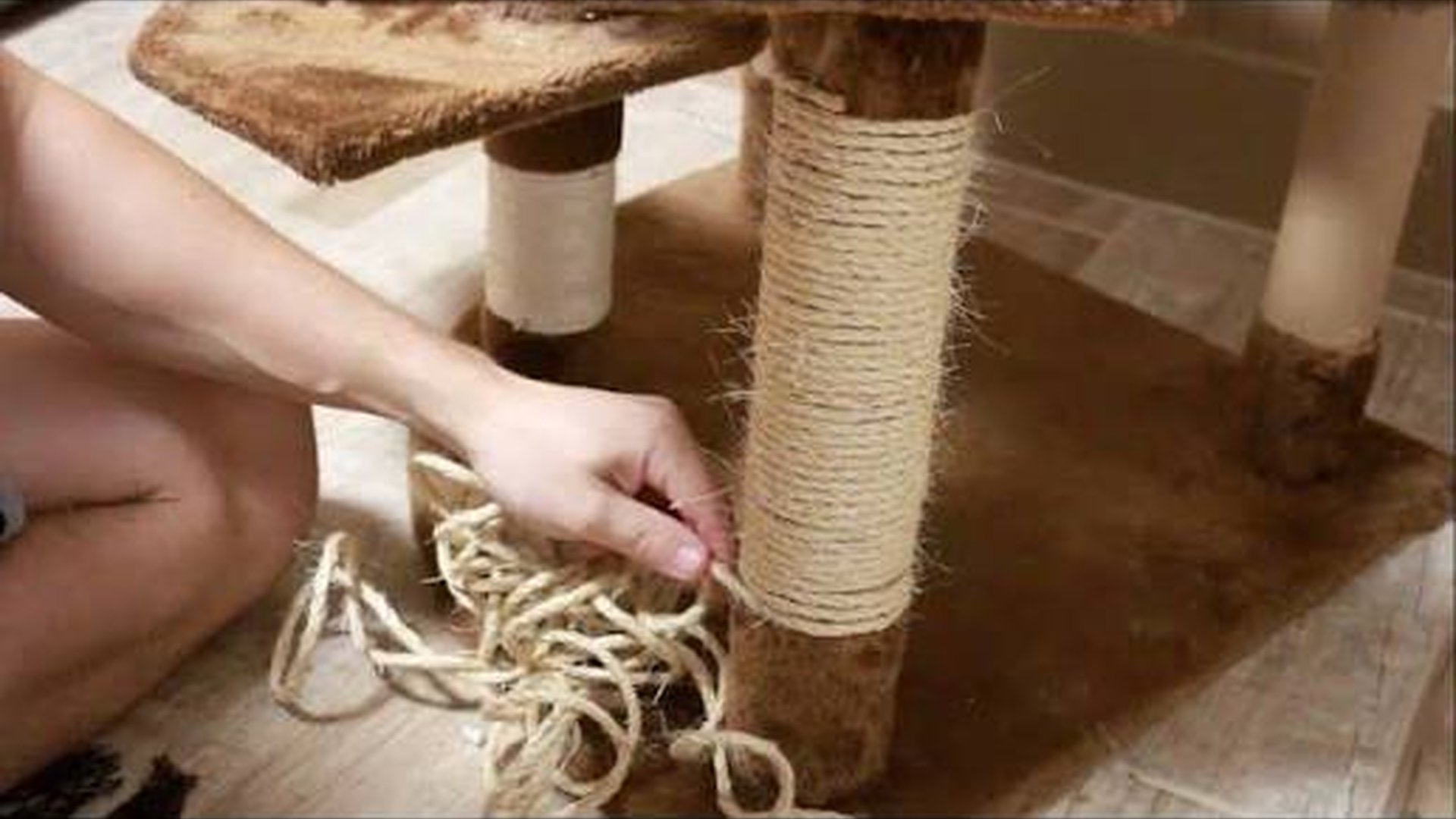
Regularly clean the scratching posts with a damp cloth. Replace worn sisal rope annually. Wash the fabric covers every 4–6 weeks (if removable). Check for loose screws or wobbling parts every month.
One owner in Seattle discovered that her cat stopped using the tree after it leaned to one side. Upon inspection, she found a screw had loosened after six months of heavy use. Tightening it restored full functionality—and her cat resumed using it daily.
Additionally, rotate toys and switch up platform layouts to keep things fresh. Cats can get bored just like humans. If your cat starts ignoring the tree, it’s not because they no longer like it—it might just need a little update to stay interesting.
Final Thoughts: A Tree That Grows With Your Cat
Selecting the best cat tree isn’t about picking the tallest or flashiest piece. It’s about matching your cat’s instincts, size, and lifestyle with a piece that lasts. A smart choice means fewer fights over space, less scratching on furniture, and more peaceful naps in high-up hiding spots.
Remember: a great cat tree is an investment in your cat’s happiness and well-being. The best ones don’t just fit your home—they become part of your cat’s world. Choose wisely, and your feline will thank you with purrs, jumps, and winsome glances from the top of their throne.