Why Healthy Nails Matter: Preventing Pain and Mobility Problems in Pets
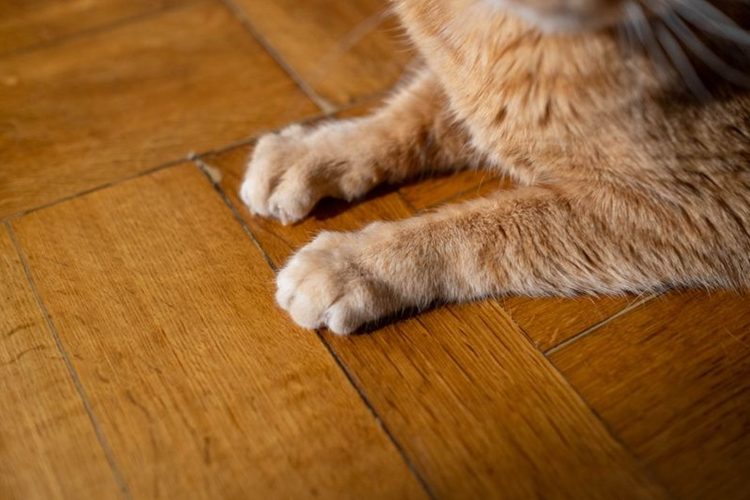
Every cat owner knows the delicate tap of claws on the floor—soft, quiet, almost imperceptible. But beneath that subtle sound lies a powerful truth: healthy nails are not just about appearance. They are essential to your cat’s ability to move, climb, and protect themselves. When nails grow too long, become brittle, or develop infections, they stop being tools of agility and instead turn into sources of pain and discomfort. This is why the phrase ‘Healthy Nails Mean Happy, Active Pets’ isn’t just a catchy slogan—it’s a scientific fact backed by feline health experts.
Cats rely on their claws for more than just scratching furniture. They use their nails to grip surfaces, maintain balance while jumping, and even express natural behaviors like kneading and stretching. But when those nails are neglected, they can curl inward, break, or embed into the paw pad—leading to severe injury and lasting pain. In one study from the Journal of Feline Medicine and Surgery, nearly 30% of cats over five years old showed signs of chronic nail-related discomfort, often unnoticed by owners until mobility issues appeared.
When Nails Become a Problem
Imagine walking barefoot on a rocky path with shoes full of pebbles. That’s what it feels like for a cat with overgrown or infected nails. Long claws can twist, tear, or get caught on rugs, carpets, or even the edges of furniture. A common scenario: a 7-year-old domestic shorthair named Luna used to leap from the couch to the bookshelf with ease. But after months of not being groomed, her claws curled inward and pressed into her paw pads. She began to limp, avoid jumping, and even stop using her litter box—actions not related to aggression or territory, but to pain.
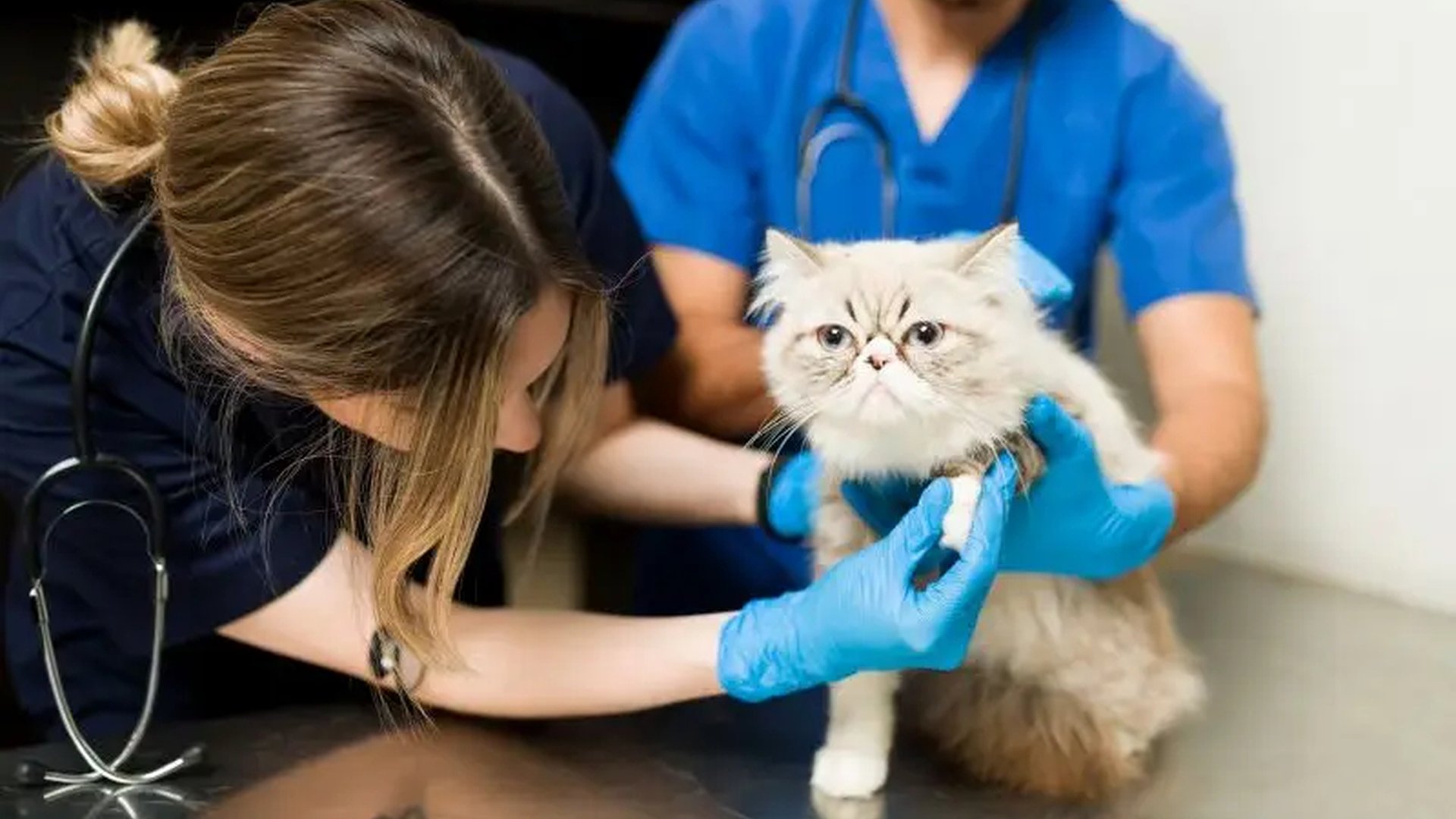
Veterinarians often see similar cases. A cat may start hiding during the day, stop playing, or become irritable when touched near the paws. These signs are not always linked to age-related arthritis; sometimes, they stem from something as simple as an ingrown claw. In some cases, the nail becomes so misshapen that it forms a loop, pressing into the soft tissue and causing inflammation. Left untreated, this can lead to abscesses, bone infections, or even the need for surgical nail removal.
The Connection Between Nails and Behavior
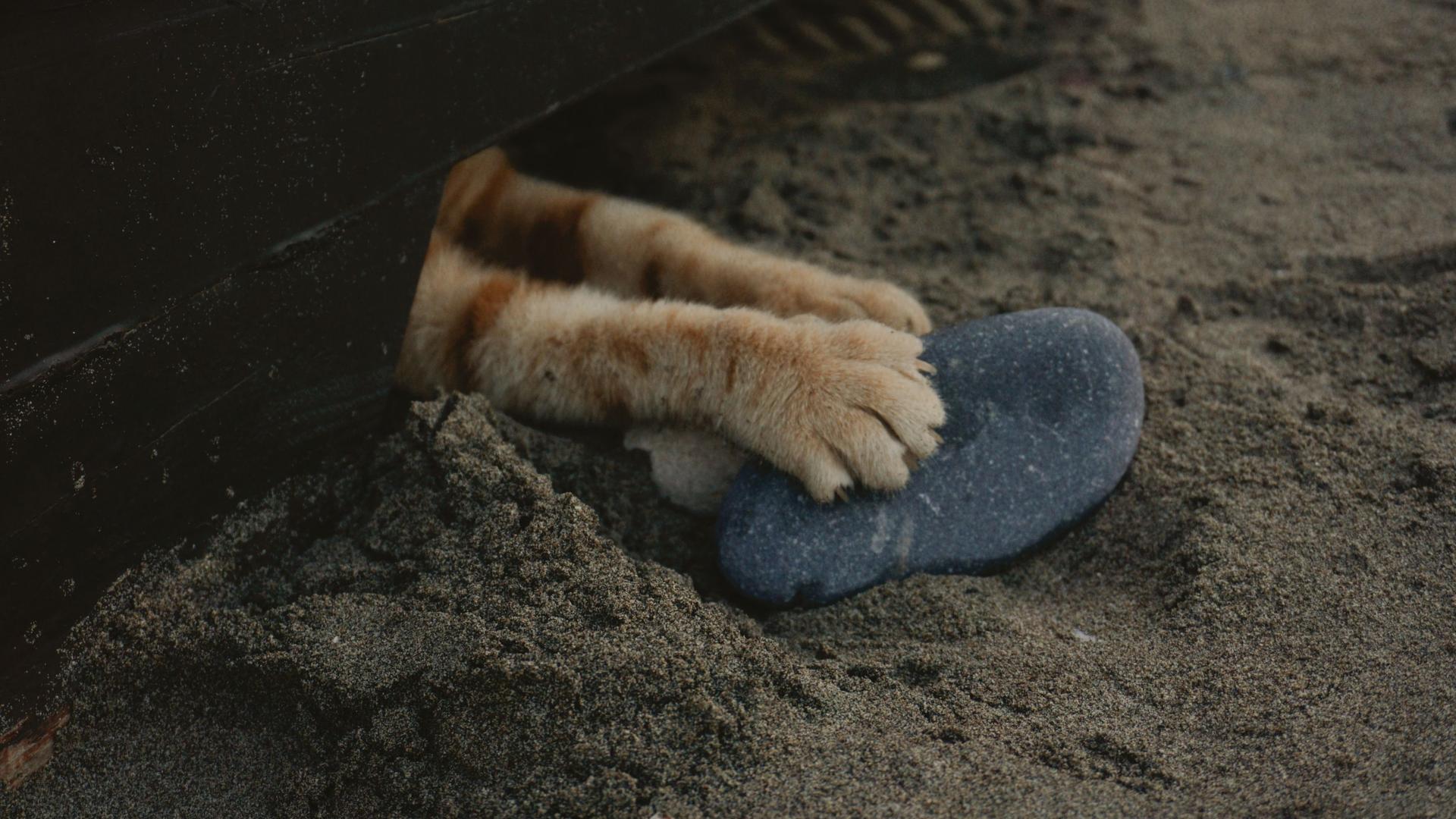
Many owners are surprised to learn that nail health can directly affect a cat’s mood and behavior. A cat that is in pain will not act like their usual self. They may become withdrawn, sleep more, or avoid interaction. Some even start biting or scratching unexpectedly—behavior not due to aggression, but because they’re in pain and don’t know how to express it.
Take the case of Max, a 4-year-old tabby from Portland, Oregon. His owner noticed he’d stopped chasing toys, avoided the window perch, and started scratching the living room carpet with more force than usual. After a vet visit, it was discovered a claw had grown into the pad of his right front paw—causing constant irritation. After a simple trimming and treatment, Max was back to his playful, curious self within a week.
This example illustrates a key point: cats don’t complain. They don’t say, ‘My nail hurts.’ Instead, they mask pain through behavioral shifts. That’s why regular nail checks—especially for older or less active cats—are crucial. A quick 30-second weekly inspection can catch problems before they escalate.
How to Maintain Optimal Nail Health
Prevention is always easier than treatment. Fortunately, keeping your cat’s nails in good condition doesn’t require special tools or hours of training. Here are three simple practices that make a big difference:
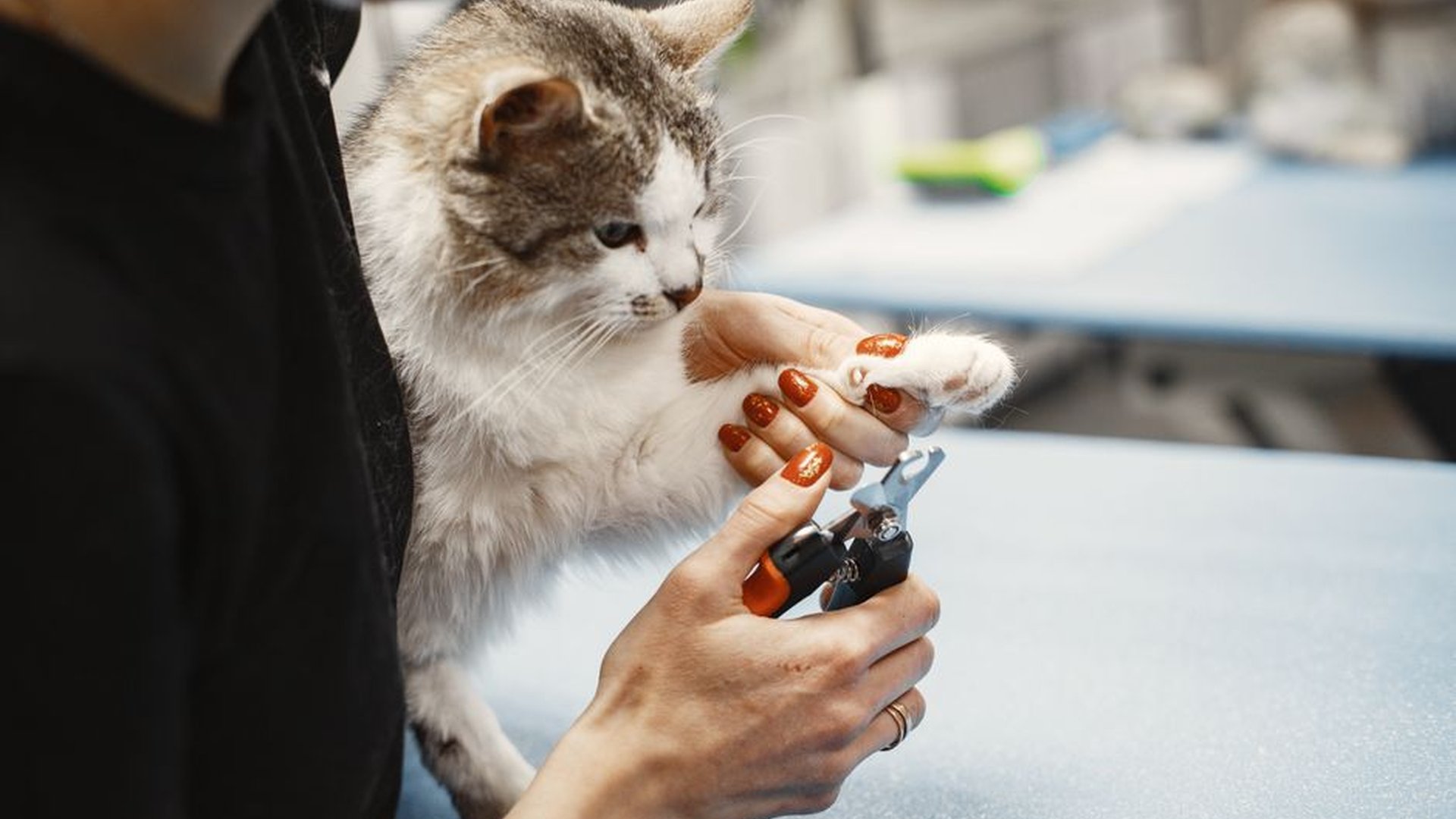
First, establish a routine for nail trimming. Use a high-quality cat-specific nail clipper (not human clippers). Trim only the tip—the clear, transparent part—avoiding the pink quick, which contains blood vessels and nerves. For new owners, it’s okay to trim just one or two nails per session to keep your cat calm. Over time, they’ll get used to it.
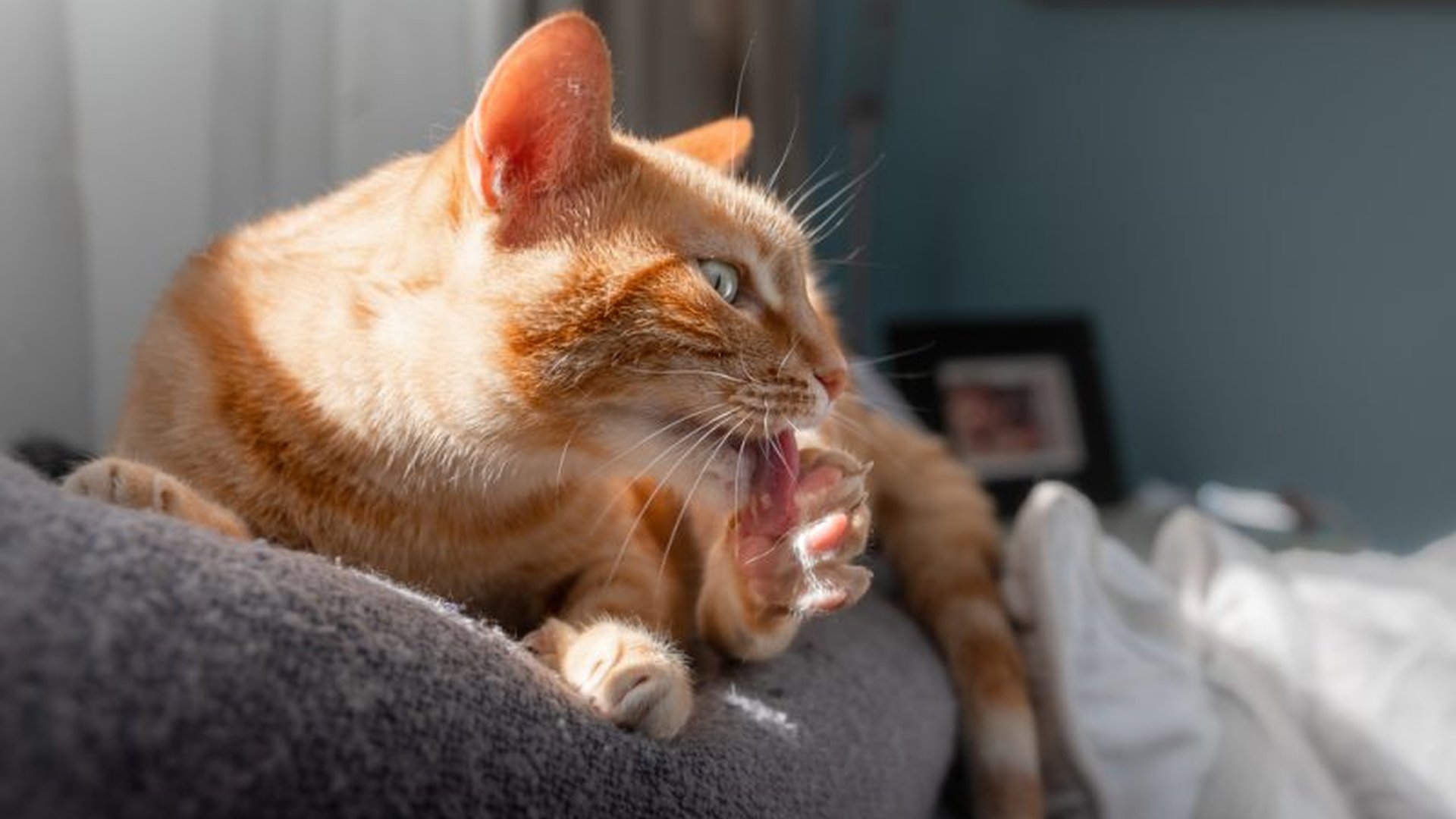
Second, provide proper scratching surfaces. Scratching isn’t just a habit—it’s a natural way for cats to shed the outer layer of their claws and keep them sharp and healthy. Invest in a sturdy sisal or cardboard scratcher placed near favorite lounging spots. Some cats even prefer vertical scratchers, which mimic the trunk of a tree.
Third, monitor for signs of infection or abnormal growth. Look for redness, swelling, discharge, or noticeable changes in shape. If you see any of these, contact your vet promptly. Early treatment prevents more invasive procedures and reduces recovery time.
When to Seek Veterinary Help
While minor issues can be managed at home, there are red flags that demand professional attention. If your cat limps for more than a day, shows resistance to touching the paws, or has a nail that won’t stop bleeding after trimming, it’s time to call your vet.
In some cases, a condition known as onychodystrophy—abnormal nail growth—can be genetic or linked to underlying health issues like thyroid problems, skin disorders, or even dental disease. These require lab tests and specialized care. That’s why it’s not enough to just ‘trim and go’—you need to understand the root cause.
Remember: healthy nails mean happy, active pets. A cat with properly maintained claws isn’t just safer—it’s more confident, playful, and engaged. They can jump, climb, explore, and interact like they’re meant to—and that’s what true feline well-being looks like.
Don’t wait for your cat to suffer quietly. Start with a simple weekly check, invest in the right tools, and stay observant. Your cat may not thank you with words, but they’ll show it by coming to you for pets, zooming across the floor, or curling up in your lap—just like they were always meant to.