Understand What Makes a Dog’s Coat Truly Healthy
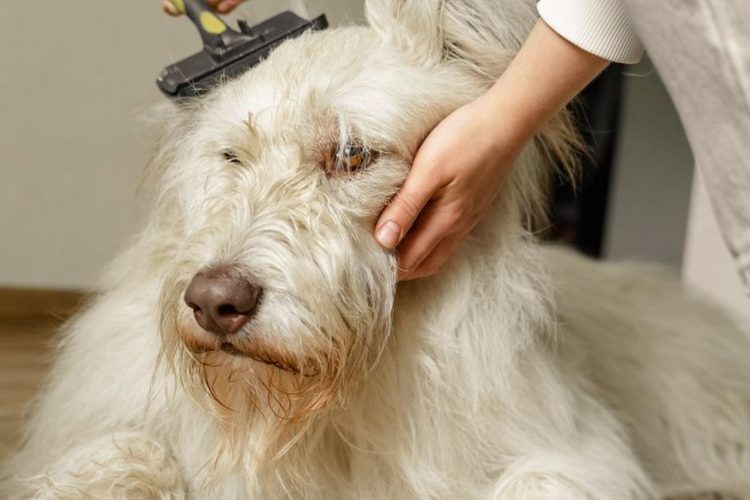
A dog’s coat isn’t just about appearance—it’s a reflection of overall health. When you see a dog with a soft, glossy, and thick coat, that’s not just luck. It’s the result of consistent care, balanced nutrition, and good genetics. But even the most beautiful coat can start to dull or become dry and brittle if basic needs aren’t met. That’s why it’s essential to understand what makes a coat truly healthy. A healthy coat is resilient, not prone to matting, sheds evenly, and maintains natural shine. It’s not about using expensive shampoos or frequent baths—true health comes from within. For example, a 2023 study published in the Journal of Veterinary Dermatology found that dogs fed diets rich in omega-3 and omega-6 fatty acids showed a 40% improvement in coat quality over 90 days. That’s not magic—just science. So before you reach for the brush or the conditioner, make sure your dog’s foundation is strong.
Feed a Balanced Diet with Skin-Boosting Nutrients
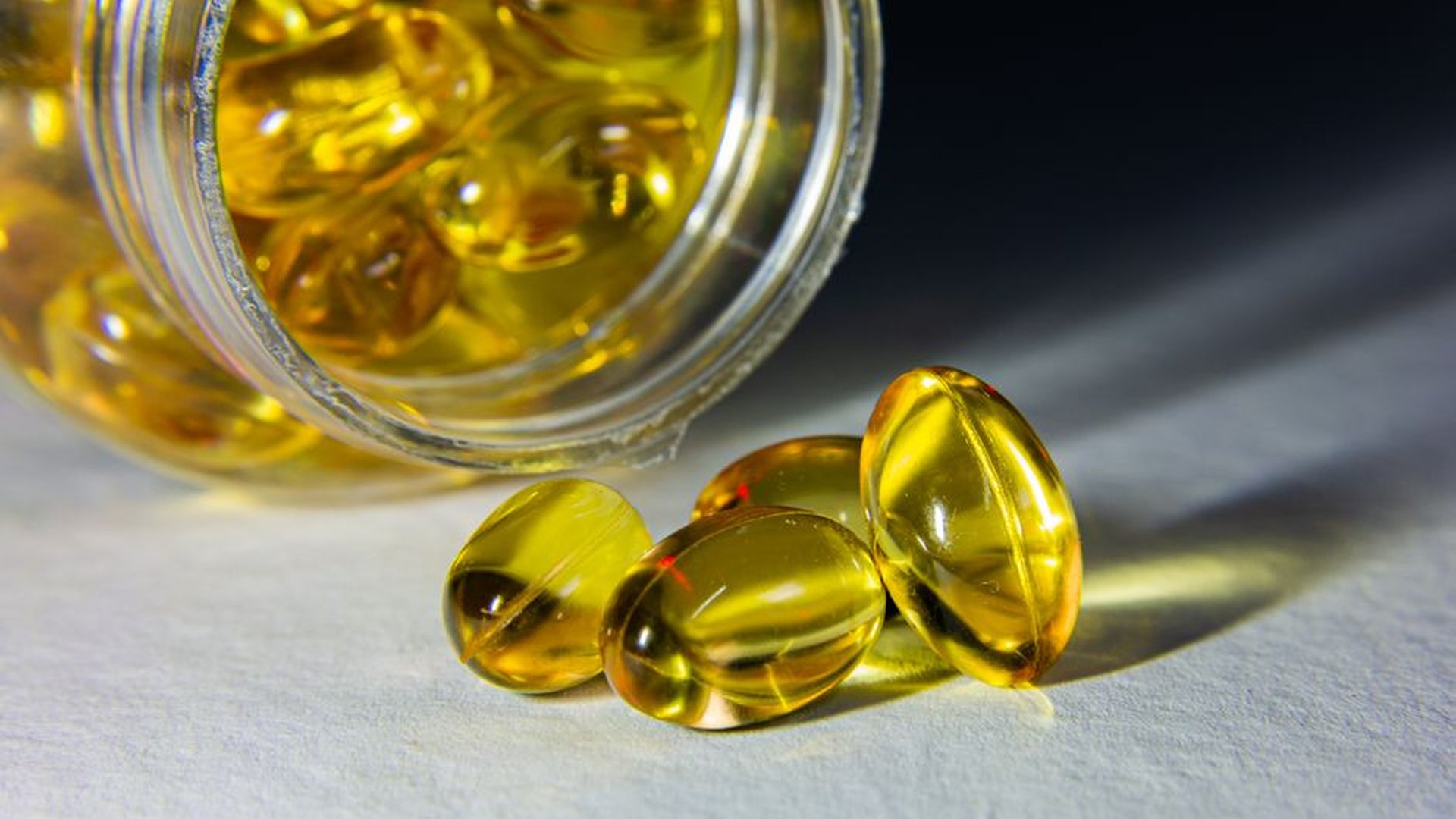
The foundation of a great coat starts at mealtime. You can’t skip nutrition. Just like humans need vitamins for radiant skin, dogs need specific nutrients to keep their fur strong and resilient. Omega-3 and omega-6 fatty acids are the unsung heroes here. These essential fats help reduce inflammation, strengthen the skin barrier, and promote natural oil production. Look for dog foods that list salmon, flaxseed, or fish oil as primary ingredients. A real-world example comes from a Boston-based breeder who switched her rescue dogs from a low-quality kibble to a high-protein, omega-rich formula. Within six weeks, her dogs went from dry, patchy coats to soft and shiny fur. One dog, a 6-year-old Golden Retriever named Max, even stopped scratching at his ears—something his vet said was linked to skin irritation from poor diet. Protein is equally critical. Dogs need high-quality animal proteins like chicken, turkey, or beef to rebuild hair follicles and support hair growth. Avoid fillers like corn, wheat, and soy—these not only lack nutrients but can trigger allergies that worsen coat condition.
Establish a Consistent Grooming Routine
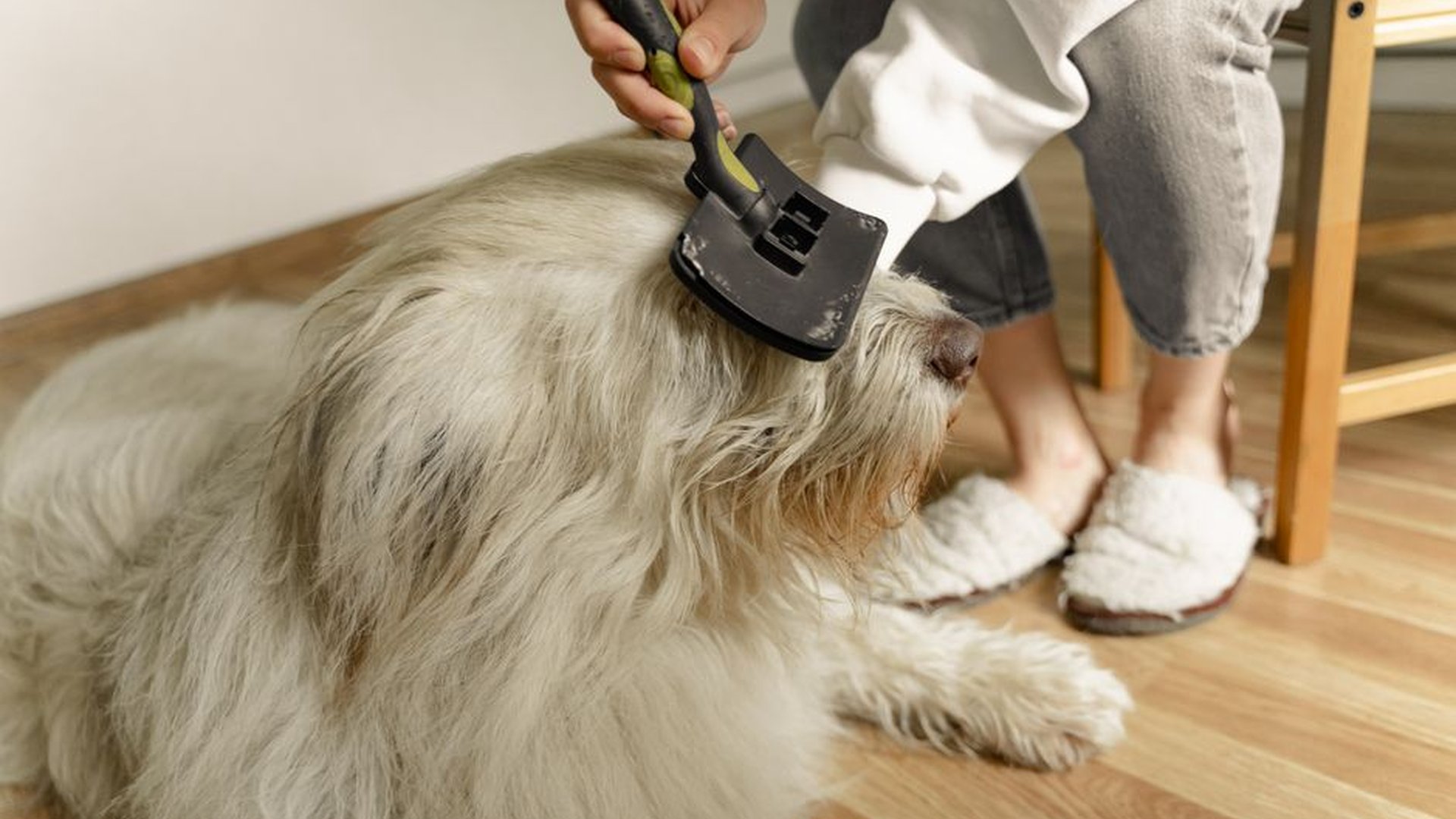
Brushing isn’t just for looks. It’s a critical part of coat maintenance. Regular grooming removes dead hair, prevents matting, and distributes natural oils across the fur. Think of it as a daily massage for your dog’s skin. For long-haired breeds like Shih Tzus or Afghan Hounds, daily brushing is non-negotiable. But even short-haired dogs benefit—just 3 to 5 minutes a day can make a huge difference. Use the right tools: a slicker brush for removing tangles, a pin brush for smoothing, and a deshedding tool during seasonal shedding. One owner from Portland shared that her 4-year-old Dachshund, Luna, used to have bald spots from constant chewing. After introducing a 5-minute daily brushing session, her fur grew back and she stopped biting at her skin. The secret? Grooming builds trust and helps you spot early signs of irritation, fleas, or dryness before they become problems. Don’t forget to clean ears, trim nails, and check for hot spots or rashes during these sessions. Grooming isn’t just about beauty—it’s about early health detection.
Manage Seasonal Changes with Smart Care
Dogs don’t have seasonal wardrobes, but their coats do. In winter, dry indoor heat can strip moisture, leading to flaky, itchy skin. In summer, sun exposure and humidity can cause oil buildup and irritation. That’s why your grooming and feeding habits need to adapt. During colder months, increase intake of omega-3 fatty acids and use a moisturizing conditioner made for dogs—look for ingredients like oatmeal or aloe vera. Avoid over-bathing; washing once every 4 to 6 weeks is usually enough to preserve natural oils. In spring and summer, watch for allergic reactions to pollen or grass. A dog in Texas once developed red, inflamed patches behind his ears after a spring hike. A vet diagnosed seasonal dermatitis. The fix? A hypoallergenic shampoo and a reduction in outdoor time during high-pollen hours. Always dry your dog completely after baths or outdoor play—damp fur invites fungal infections. Use a towel, not just air drying, to minimize irritation.
Monitor for Underlying Health Issues
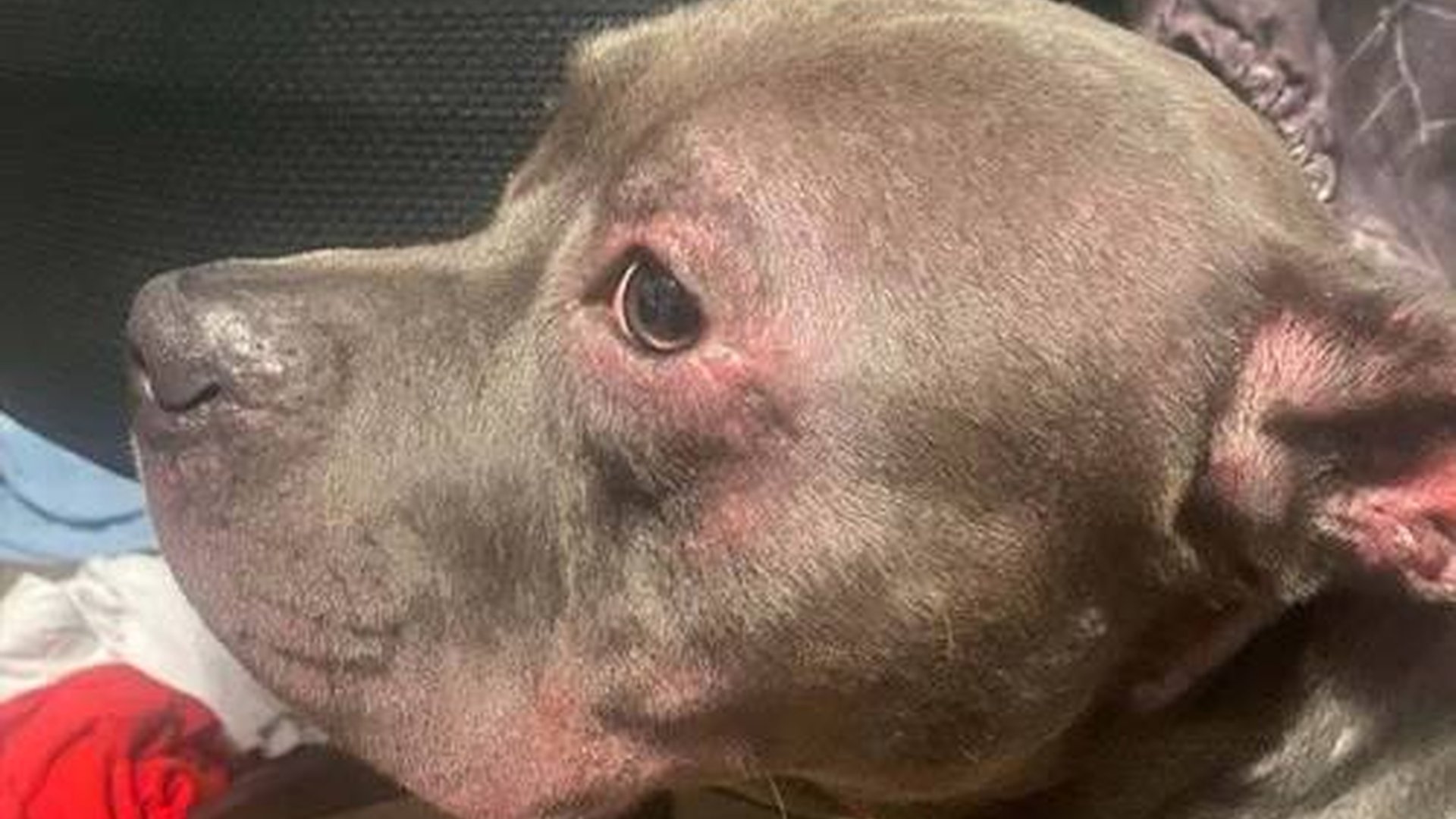
Sometimes, a dull coat isn’t about diet or grooming—it’s a warning sign. Skin and coat problems can be symptoms of deeper health issues. Hypothyroidism, for example, often causes patchy hair loss, dry skin, and a lifeless coat. Cushing’s disease may result in thinning fur, increased shedding, and darkened skin. If your dog’s coat suddenly changes—especially if it’s accompanied by lethargy, weight gain, or eating habits shifting—don’t ignore it. A case from Seattle involved a 10-year-old Labrador whose once-glossy coat turned brittle and pale after a few months. Blood tests revealed low thyroid levels. After starting hormone replacement therapy, his coat regained its natural softness and shine within three months. Your dog’s coat is a living mirror. If it’s reflecting changes, it’s not just about beauty—it’s about wellness. Never assume a dull coat is just aging. Always consult a vet when changes are sudden or unexplained. Early diagnosis can prevent long-term damage and ensure your dog lives a comfortable, vibrant life.