
Seasonal changes affect not only humans but also our beloved pets. As temperatures rise in summer or drop in winter, pets face various health challenges that owners need to address to keep them safe, comfortable, and happy. Whether you have a dog, cat, rabbit, bird, or reptile, being aware of seasonal health risks can help prevent illnesses, discomfort, and even emergencies.
We’ll explore the common health issues pets face during different seasons, how to manage these challenges effectively, and the best products to help your pet stay healthy all year round.
🌞 Summer: Heat, Dehydration & Pests
Hot weather can be dangerous for pets, especially those with thick fur, short snouts, or medical conditions. Common summer problems include heatstroke, dehydration, and flea/tick infestations.
🐾 Common Summer Health Issues
✔️ Heatstroke: Symptoms include excessive panting, drooling, lethargy, and vomiting.
✔️ Dehydration: Pets lose water quickly in the heat, leading to dry gums, sunken eyes, and loss of energy.
✔️ Burnt Paw Pads: Hot pavement can severely burn your pet’s paws.
✔️ Fleas & Ticks: These pests thrive in warm temperatures and can spread diseases.
✅ How to Protect Your Pet in Summer
✔️ Provide Plenty of Fresh Water – Always have multiple water bowls available. Consider pet water fountains like the Catit Flower Fountain (Zooplus, Amazon).
✔️ Avoid Midday Walks – Walk your dog early in the morning or late in the evening when temperatures are cooler.
✔️ Protect Paw Pads – Use dog booties or walk your pet on grass instead of hot pavement. The Ruffwear Grip Trex Dog Boots (Chewy, Petco) are great for protection.
✔️ Use Cooling Mats & Vests – The Chillz Cooling Mat (Amazon, PetSmart) helps pets stay cool indoors.
✔️ Flea & Tick Prevention – Use vet-approved treatments like Frontline Plus or Seresto Collars (Vet Clinics, Zooplus).
🍂 Fall: Allergies & Shedding
As autumn arrives, temperature fluctuations and allergens can cause health problems in pets. This season also triggers increased shedding in preparation for winter.
🐾 Common Fall Health Issues
✔️ Seasonal Allergies: Pets may suffer from itchy skin, sneezing, watery eyes, or ear infections due to pollen, mold, or dust.
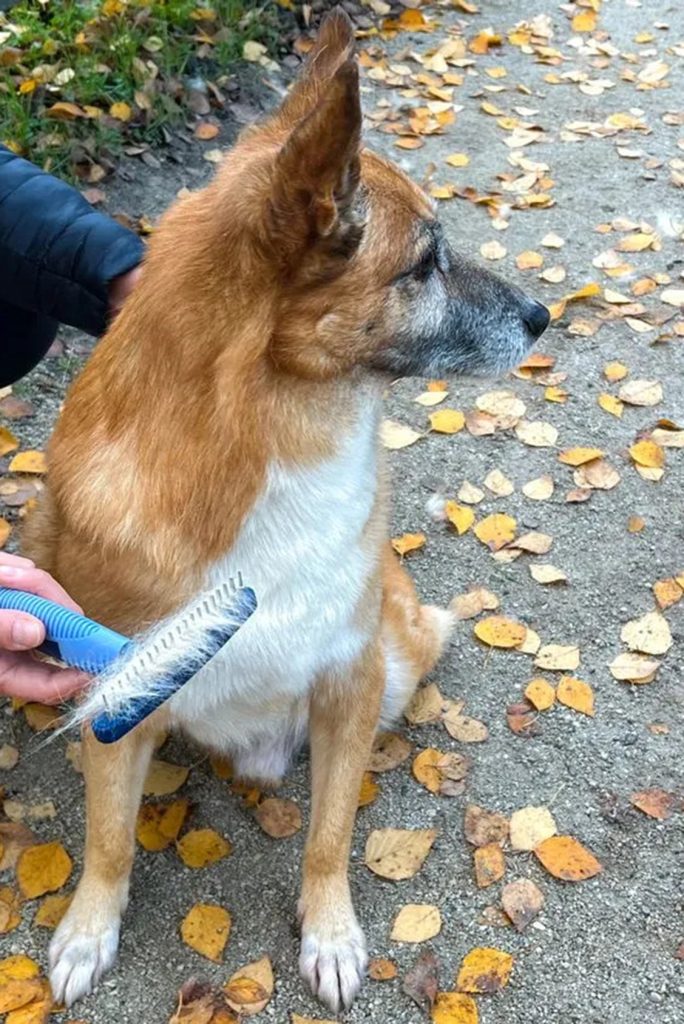
✔️ Increased Shedding: Cats and dogs shed their summer coats to grow thicker winter fur.
✔️ Joint Pain: Cold nights can worsen arthritis in older pets.
✅ How to Protect Your Pet in Fall
✔️ Manage Allergies with Supplements – Omega-3-rich supplements like Zesty Paws Allergy Immune Bites (Chewy, Zooplus) help support skin health.
✔️ Brush Frequently to Control Shedding – The Furminator DeShedding Tool (Amazon, PetSmart) removes loose fur efficiently.
✔️ Keep Bedding & Home Clean – Wash pet beds and vacuum regularly to reduce allergens.
✔️ Use Joint Supplements for Older Pets – Products like Cosequin for Dogs & Cats (Vet Clinics, Zooplus) support joint mobility.
❄️ Winter: Cold, Dry Skin & Hypothermia
Winter brings cold temperatures, dry air, and icy conditions, which can pose serious risks to pets.
🐾 Common Winter Health Issues
✔️ Hypothermia & Frostbite: Pets left outside in extreme cold can suffer from dangerous drops in body temperature.
✔️ Dry Skin & Cracked Paws: Cold air and indoor heating cause skin irritation and flaky fur.
✔️ Weight Gain: Pets exercise less in winter, leading to obesity risks.
✅ How to Protect Your Pet in Winter

✔️ Keep Pets Indoors More Often – Avoid prolonged outdoor exposure, especially for small or short-haired breeds.
✔️ Use Pet Sweaters & Coats – The Kurgo Loft Dog Jacket (Amazon, Petco) is perfect for cold-weather walks.
✔️ Moisturize Paws & Skin – Apply Musher’s Secret Paw Balm (Chewy, Zooplus) to protect against cracked paw pads.
✔️ Adjust Food Portions Accordingly – Pets that exercise less need fewer calories; those outside more may need higher-fat diets.
✔️ Provide a Warm Sleeping Area – Heated pet beds like the K&H Thermo-Kitty Bed (Amazon, PetSmart) keep cats and small dogs cozy.
🌸 Spring: Parasites & Seasonal Shedding
Spring is a time of renewal, but also allergies, parasites, and shedding.
🐾 Common Spring Health Issues
✔️ Flea & Tick Resurgence: These parasites become active as temperatures rise.
✔️ Increased Shedding: Pets shed their winter coats to prepare for warmer weather.
✔️ Seasonal Allergies: Just like in fall, pollen and grass can trigger allergic reactions.
✅ How to Protect Your Pet in Spring
✔️ Start Flea & Tick Prevention Early – Use NexGard, Frontline, or Seresto Collars.
✔️ Brush Daily to Remove Shedding Fur – The Hertzko Self-Cleaning Slicker Brush (Amazon, Chewy) works great for long-haired pets.
✔️ Clean Paws After Walks – Wipe paws to remove allergens and prevent excessive licking.
✔️ Monitor for Allergy Symptoms – If your pet develops watery eyes, itching, or ear infections, consult a vet for antihistamines.
🌟 Proactive Seasonal Care for a Healthy, Happy Pet
Caring for a pet is a year-round responsibility, and each season brings new challenges that require attention and adaptation. By understanding how seasonal changes affect your pet’s health, you can prevent discomfort, illnesses, and emergencies, ensuring your furry, feathered, or scaly friend remains happy and thriving.
🌞 Summer: Keeping Cool and Pest-Free
During summer, hydration and heat protection are critical. Without proper precautions, pets risk heatstroke, dehydration, and paw burns. Invest in cooling mats, fresh water fountains, and flea/tick preventatives to help your pet stay comfortable.
🍂 Fall: Managing Allergies and Shedding
Autumn is a transitional season where pets shed excessively, allergies flare up, and joint pain worsens in older animals. Regular brushing, joint supplements, and allergy management ensure a smooth seasonal shift.
❄️ Winter: Protecting Against Cold and Dryness
Winter can be harsh, especially for short-haired breeds, small animals, and senior pets. Hypothermia and frostbite are real dangers, but cozy bedding, pet sweaters, and paw balms help them stay warm and comfortable. Additionally, adjusting their diet based on activity levels prevents unhealthy weight gain.
🌸 Spring: Preparing for Parasites and Allergies
Spring is parasite season, and fleas and ticks become active again. It’s essential to start flea and tick prevention early, monitor for allergy symptoms, and increase grooming to manage seasonal shedding.
🐾 The Key to Year-Round Pet Wellness
No matter the season, consistent veterinary check-ups, a well-balanced diet, hydration, grooming, and seasonal adaptations are the best ways to ensure your pet’s long-term well-being.
🔹 Stay observant – Changes in behavior, energy levels, or appetite can signal seasonal discomfort.
🔹 Be proactive – Preparing for seasonal risks before they become problems saves money and stress.
🔹 Invest in quality care products – Simple tools like cooling mats, pet-safe moisturizers, and seasonal supplements can make a world of difference.
💡 What seasonal challenges have you noticed in your pet? Share your tips and experiences in the comments! 🐶🐱🐾💖