Prepare a Quiet, Safe Space for Your Kitten
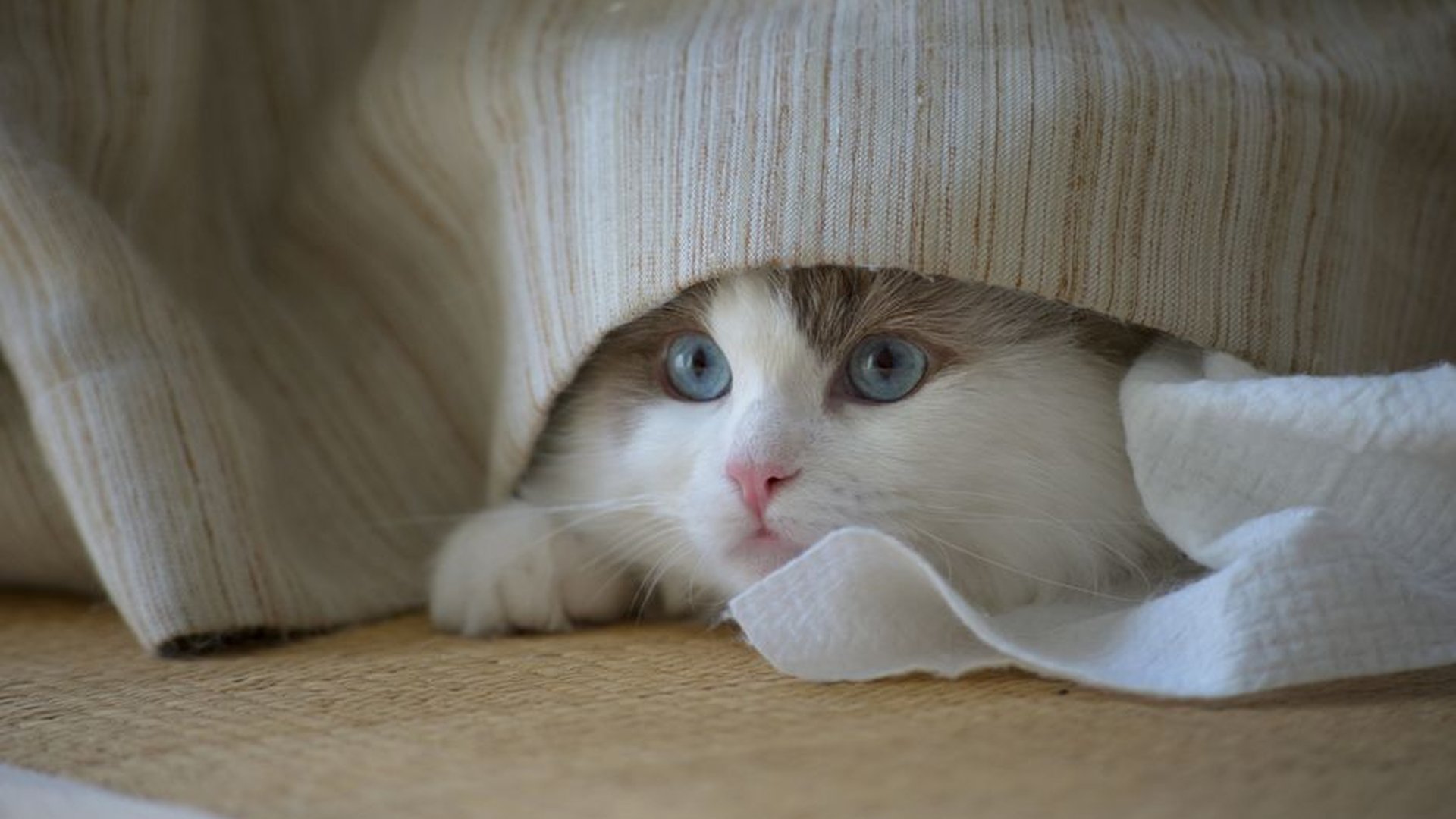
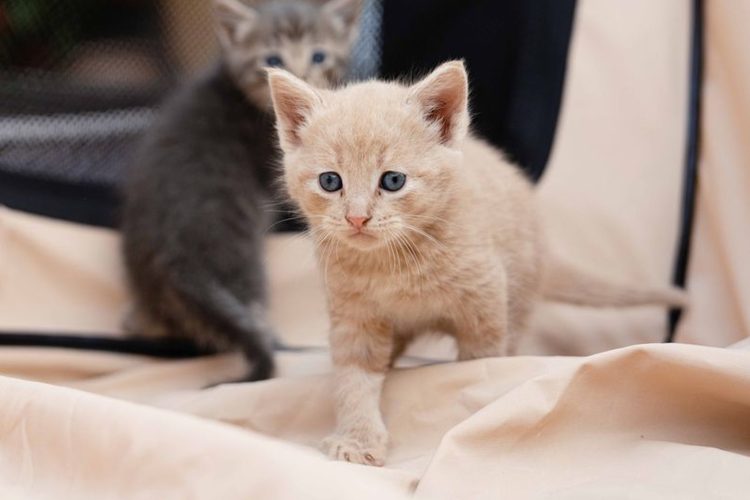
Bringing a new kitten home is like welcoming a tiny explorer into your world—full of curiosity, energy, and the kind of innocence that melts your heart. But before you open the carrier and let them step into your living room, take a moment to set up a dedicated, quiet area. This isn’t just about giving them a place to sleep. It’s about creating a safe haven where they can adjust to new smells, sounds, and routines without overwhelming stress. Start by choosing a small, enclosed room—like a spare bedroom, a spare closet, or even a large bathroom with a window. Use baby gates if needed to keep them contained, and make sure all windows are securely shut and cords are out of reach. Fill the space with a cozy cat bed, a litter box (already lined with non-clumping, unscented litter), and a few safe toys. A soft blanket with your scent can help them feel more secure. In Tokyo, a rescue volunteer named Akiko shared how her newly adopted kitten, Mochi, barked at the door for three days straight because he felt trapped and scared. After isolating him in a quiet room with a heating pad and a homemade cat tunnel, he began to relax within 48 hours. Your kitten doesn’t need the whole house yet—just a base they can call their own.
Introduce the Litter Box Early and Gently
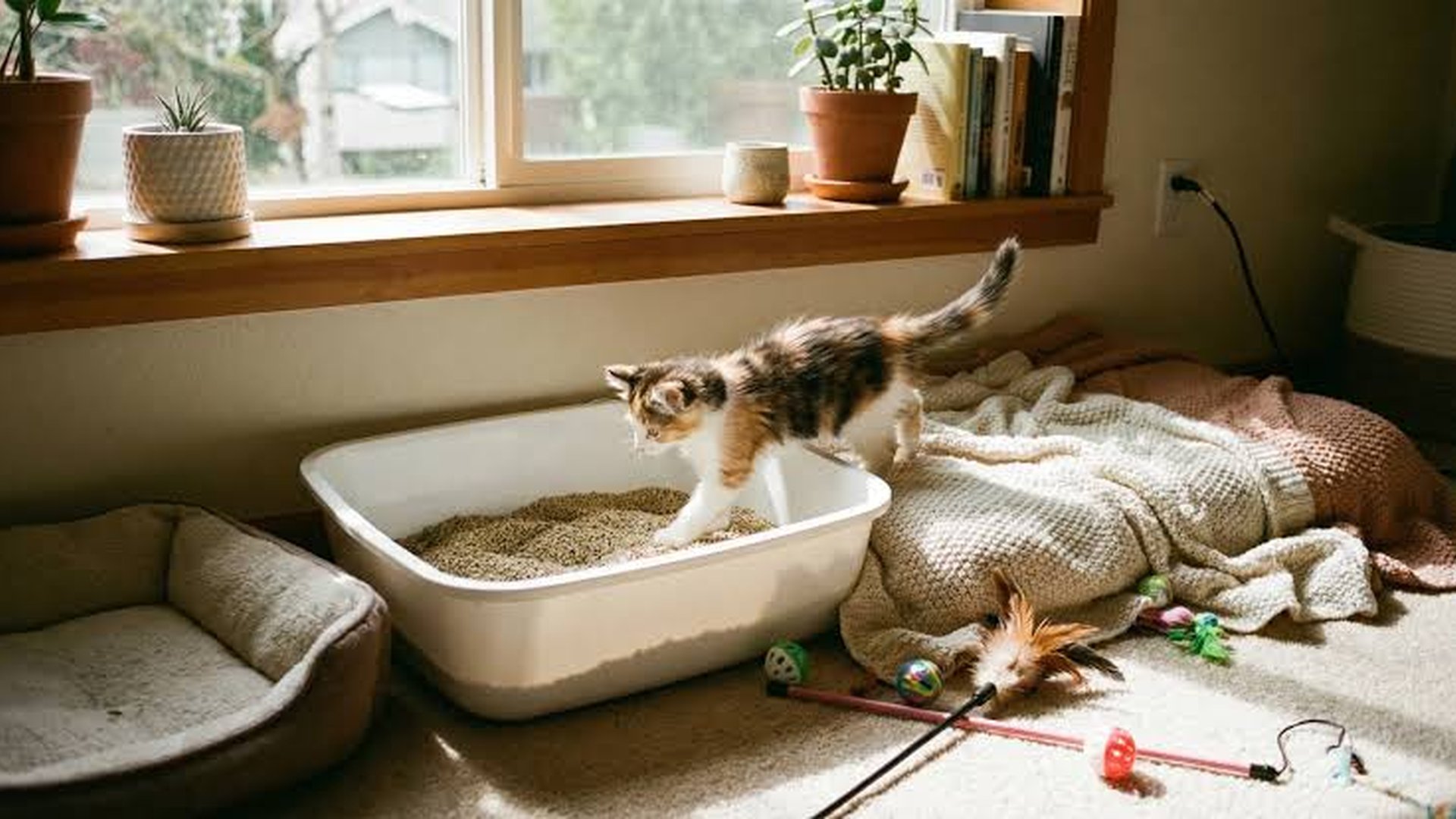
One of the top concerns for new cat owners is litter box training. But here’s the truth: most kittens instinctively use a litter box if it’s placed correctly. The key is positioning—don’t hide it in a dark corner or near loud appliances like the washing machine. Place the box in a quiet, low-traffic area, close to their safe space but not too far. Use a low-sided, non-slip litter box to help small paws grip the edges. Avoid scented or clumping litters during the first week—they can have strong odors that confuse or even repel a young cat. Instead, opt for plain, unscented, non-clumping litter. Watch your kitten closely for the first 24 hours. If they hesitate to enter, place a small amount of their urine-soaked paper towel inside to help them associate the smell with the box. A study from the American Veterinary Medical Association found that 87% of kittens begin using a clean, accessible litter box within 12 hours when introduced in a calm environment. If your kitten tries to use a spot outside the box, don’t punish them. Gently guide them back, praise them, and reinforce the behavior with a small treat. Patience and consistency win every time.
Feed the Right Food, in the Right Way
Kittens have fast metabolisms and need nutrition tailored to their growth. After a 12-hour car ride from a shelter in Portland, Oregon, 8-week-old Luna was trembling and refusing to eat. Her foster mother, Sarah, gave her a warm, small bowl of high-quality, protein-dense kitten food—like Royal Canin Kitten Milk Replacer or a vet-recommended formula like Wellness CORE Grain-Free Kitten. She warmed it slightly to body temperature, which encouraged Luna to eat. Always offer food in a clean bowl, not a plastic one that can retain odors. Serve small, frequent meals—four to six times a day—since their stomachs are tiny. Avoid human food, even little pieces of chicken or fish. It can disrupt their digestion and lead to long-term dietary issues. After the first few days, transition slowly to a consistent routine. The safest rule? Feed the food the shelter or breeder was using. Most shelters provide a brief feeding note outlining the brand, formula, and feeding schedule. Stick to it for at least a week before switching to a new brand. If you must change, do it gradually over 7–10 days by mixing increasing amounts of new food with old. A sudden switch can cause digestive upset—more than 60% of kitten health issues in the first month stem from improper diet.

Gradually Introduce the Grown Cats and Other Pets
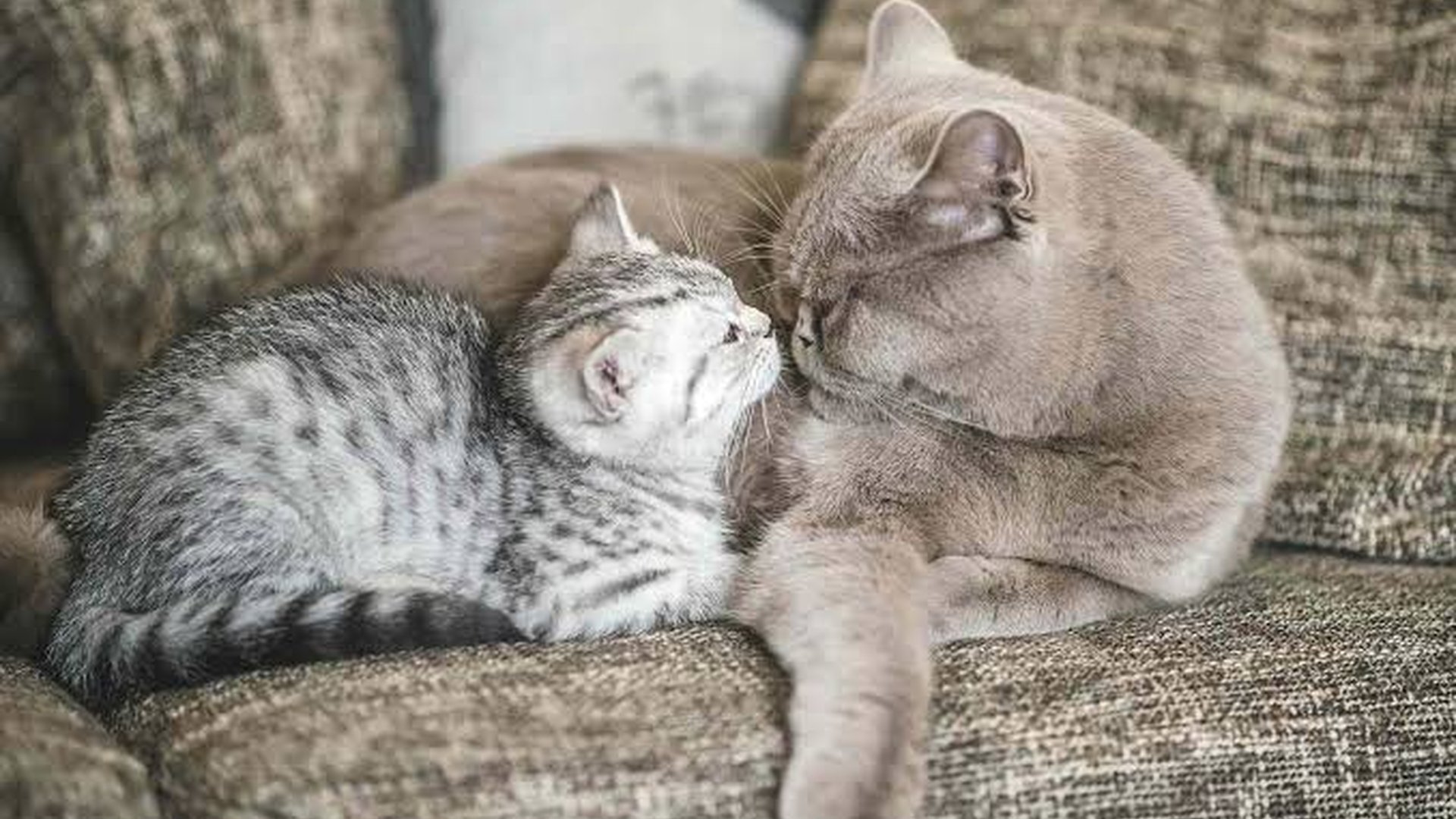
If you have adult cats or other pets at home, the introduction process must be slow and controlled. Rushing it can trigger stress, aggression, or even fear-based hiding. In Seattle, a family adopted a kitten named Oliver after their 10-year-old cat, Muffin, had been grieving for months. They kept Oliver in his room for five days, swapping bedding so the cats could get used to each other’s scents. Then, they used a baby gate and let them smell through the barrier for two hours daily. They used pheromone diffusers like Feliway to calm both animals. Only after three weeks of this gradual process did they allow face-to-face contact—on neutral ground, like a balcony or another room. The result? Muffin not only accepted Oliver but started grooming him the next day. This isn’t luck—it’s tested, proven method. Never force interactions. Let the older cat initiate contact. If they hiss, withdraw. If they rub against each other or flick their tail in a relaxed way, that’s a good sign. Always supervise the first few meetings. Avoid giving treats during these moments—positive reinforcement should come after calm behavior, not as a bribe.
Watch for Signs of Stress and Illness
New kittens often show signs of stress through behavior changes. Look for hiding, refusal to eat, excessive grooming, or accidents outside the litter box. These can be early warnings of illness, especially if they’re not eating for more than 12 hours. Symptoms like lethargy, runny nose, or watery eyes may point to a respiratory infection—common in shelters. Take your kitten to a vet within 48 hours of bringing them home for a full check-up, including a fecal test, deworming, and vaccinations. Many shelters now include a basic health exam, but it’s still wise to confirm. Monitor their body temperature (normal: 100–102.5°F), listen for normal breathing, and check their gums for pink color. If your kitten becomes aggressive, avoid punishment—this may be fear-based. Instead, give them more time in their safe space. A 2023 survey by the ASPCA showed that 73% of new kitten owners reported improved behavior after introducing a daily 10-minute play session with a wand toy. Play isn’t just fun—it builds confidence and burns energy safely. Remember: your goal isn’t to make your kitten act like an adult cat right away. It’s to help them feel safe, fed, and loved—so they can grow into a healthy, happy feline. By following these steps, you’re not just welcoming a kitten. You’re starting a lifelong bond built on trust, care, and science-backed practices.