
Why Breed Matters in Dog Nutrition
When it comes to feeding your dog, one size rarely fits all—especially when you consider how deeply genetics shape their body, metabolism, and health risks. While all dogs need protein, fats, and essential vitamins, the ideal balance of these nutrients can vary dramatically between breeds. Take the Dachshund, for example. Its long spine and short legs make it highly prone to intervertebral disc disease, a condition that worsens with excess weight. A high-quality, low-calorie kibble formulated with joint-supporting ingredients like glucosamine and omega-3 fatty acids could help maintain a healthy body mass and reduce spinal strain. On the other hand, a large-breed dog like a German Shepherd may require controlled calcium levels to prevent rapid bone growth that can lead to hip dysplasia. These differences aren’t just about size—they’re about biology.
Yet here’s the key insight: most mainstream dog foods are designed for general adult dogs, not for a particular breed’s unique physiology. That doesn’t mean they’re bad—some are excellent—but it does mean they may fall short for a dog with breed-specific vulnerabilities. This is where breed-specific dog food claims to step in: by targeting known health risks through tailored nutrition. But does it actually matter?
The Science Behind Breed-Specific Formulas
The idea behind breed-specific dog food isn’t just marketing—it’s rooted in scientific evidence about canine genetics and disease predisposition. Studies from the University of California, Davis, show that certain breeds have higher rates of inherited conditions like dilated cardiomyopathy in Doberman Pinschers, or progressive retinal atrophy in Poodles. These aren’t random ailments. They’re linked to genetic markers that, when combined with environmental factors like diet, can accelerate onset.
Breed-specific formulas often incorporate research-backed ingredients to address these risks. For example, a formula designed for English Bulldogs, known for their brachycephalic anatomy and breathing challenges, may include antioxidants like vitamin E and selenium to reduce airway inflammation. A formula for Border Collies, who are more prone to epilepsy and cognitive decline as they age, might emphasize omega-3 fatty acids to support brain health. These aren’t just buzzwords—these are targeted nutritional interventions.
However, not all breed-specific diets are created equal. Some brands use the term loosely, touting a formula as “for Bulldogs” simply because it includes a single ingredient like chondroitin. Others go further, backing their claims with peer-reviewed research, clinical trials, and veterinary collaboration. The real value lies not in the label, but in transparency. Look for detailed ingredient sourcing, published research, and independent lab testing—because if a food claims to prevent a breed-specific disease, it should be able to prove it.

When It’s Worth the Extra Cost
Let’s be real: breed-specific dog food often costs more than standard formulas. But cost shouldn’t dictate value—fitness should. So when does it make sense to invest?
Consider the case of Luna, a 5-year-old Miniature Schnauzer from Chicago. She was diagnosed with hyperlipidemia, a condition common in her breed that causes dangerously high fat levels in the blood. Her vet recommended a diet low in fat and rich in fiber and omega-3s. Traditional kibble didn’t help, but switching to a breed-specific formula from a research-driven brand led to a 40% reduction in triglycerides within six months. Her energy levels improved, and she hasn’t had a flare-up since. That wasn’t just a food change— it was a medical intervention.
Another example is Max, a Labrador Retriever in Portland, Oregon. Labs are prone to obesity and joint problems, and Max had already developed early osteoarthritis. His owner switched him to a high-protein, moderate-fat formula designed for large breeds, with added joint-support supplements. After nine months, Max’s vet noted a visible improvement in joint mobility, and he’s now back to playing fetch daily.
These aren’t isolated cases. The common thread? They all involved a dog with a known breed-related health risk, a vet-recommended diet change, and measurable results. If your dog has a hereditary condition, carries a known genetic marker, or shows early signs of breed-specific disease, breed-specific food may not just be worth it—it might be essential.

When It’s Just a Marketing Gimmick
Not every breed-specific product delivers on its promise. In fact, some are little more than repackaged general formulas with a new label and a slightly higher price tag. One 2023 report by Consumer Reports analyzed 32 breed-specific dog foods and found that 14 had nutrient profiles identical to standard adult formulas. They used different packaging, slightly altered ingredient order, and tagged them as “for Dachshunds” or “for Pugs”—but their protein content, fat levels, and mineral ratios were unchanged.
The problem? These products exploit pet owners’ desire to do more for their pets, especially when it comes to breed pride. Many owners see their dog as part of a lineage—Chihuahuas as delicate, Great Danes as majestic, Pomeranians as spirited—and want to feed them like royalty. But feeding a dog based on emotion, not evidence, can lead to disappointment.
For example, a Boston Terrier owner in Atlanta switched to a breed-specific food labeled as “for brachycephalic breeds” because it included “natural airway support.” The formula was identical to a mid-tier general adult kibble. After three months, the dog’s breathing issues worsened. The owner felt misled. This isn’t about the dog—it’s about trust. When brands overpromise and underdeliver, they erode confidence in a growing category that, ideally, could revolutionize canine health.
How to Choose the Right One—If You Choose Any
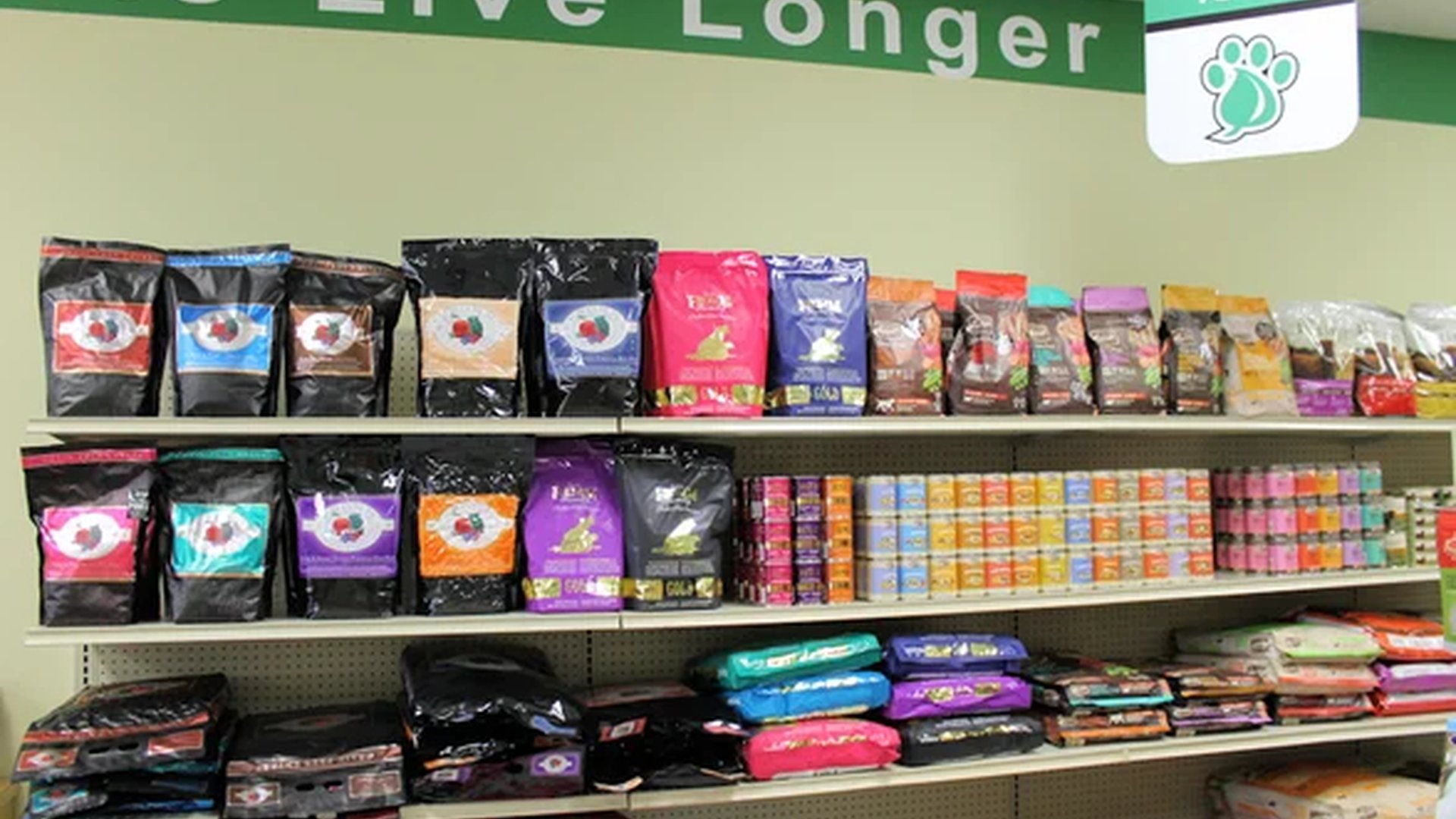
If you decide breed-specific food is right for your dog, don’t just click “buy” and assume it’s better. Do your homework. Start with your veterinarian. Share any breed-specific health concerns, genetic tests, or family medical history. Then, compare products side-by-side using these criteria:
– Is the formula backed by research? Look for studies, not just vendor claims.
– Are the ingredients standardized for breed-specific needs? For example, does a Bulldog formula actually contain higher levels of antioxidants and lower fat than a general formula?
– Is the brand transparent about sourcing? Do they list meat sources, processing methods, and lab testing results?
A vet in Portland once told me: “I don’t recommend breed-specific food for all dogs. I recommend it for dogs who need it. And only if it’s proven to help.” That’s the gold standard.
In the end, the real question isn’t whether breed-specific dog food is worth it—it’s whether it’s the right fit for your dog. For some, it’s life-changing. For others, it’s unnecessary. But when applied thoughtfully, with transparency and science at the core, it’s not just a product—it’s a powerful tool for preventing disease, extending lifespan, and keeping your dog healthier, longer. And in a world where pet health is increasingly linked to daily nutrition, that’s not just worth it. It’s essential.