Why Does My Cat Have Diarrhea? Understanding the Root Causes
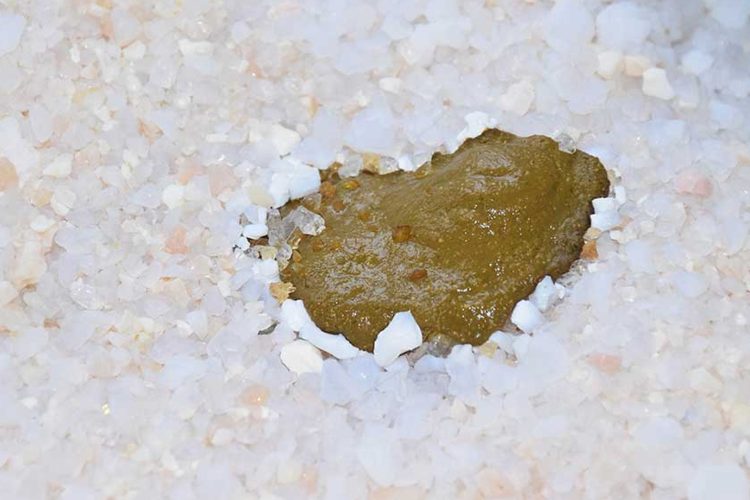
A sudden change in your cat’s litter box habits—especially loose, watery stools—can trigger immediate concern. You’re not alone if you’ve ever stared at a pile of diarrhea on the floor, heart racing, wondering, ‘Why does my cat have diarrhea?’ This isn’t just a passing upset stomach. Diarrhea in cats is a symptom, not a disease, and it often signals something going on inside their sensitive digestive system. Whether it’s a one-time episode or a recurring issue, understanding the root causes is the first step toward calm, effective action.
Cats are obligate carnivores, which means their bodies are built to thrive on animal-based protein. Their digestive tracts are short and designed to process meat efficiently. When something disrupts this delicate balance—whether it’s food, stress, infection, or underlying illness—the result is often diarrhea. What owners often overlook is how quickly a seemingly minor shift in diet or routine can trigger gastrointestinal distress.
For instance, Sarah from Denver, Colorado, noticed her 4-year-old tabby, Luna, started having loose stools after she switched her from a grain-inclusive kibble to a grain-free brand. The change seemed small—a new label, a slightly different texture—but it was enough to upset Luna’s gut. Simple as it sounds, this is a common story across American households. A shift in diet, even a well-intentioned one, can set off a chain reaction in a cat’s digestive system.
Common Triggers: What’s Disrupting Your Cat’s Gut?
The most frequent causes of feline diarrhea boil down to three main categories: diet, stress, and infection. Let’s break them down with real-world examples to help you identify what might be affecting your cat.
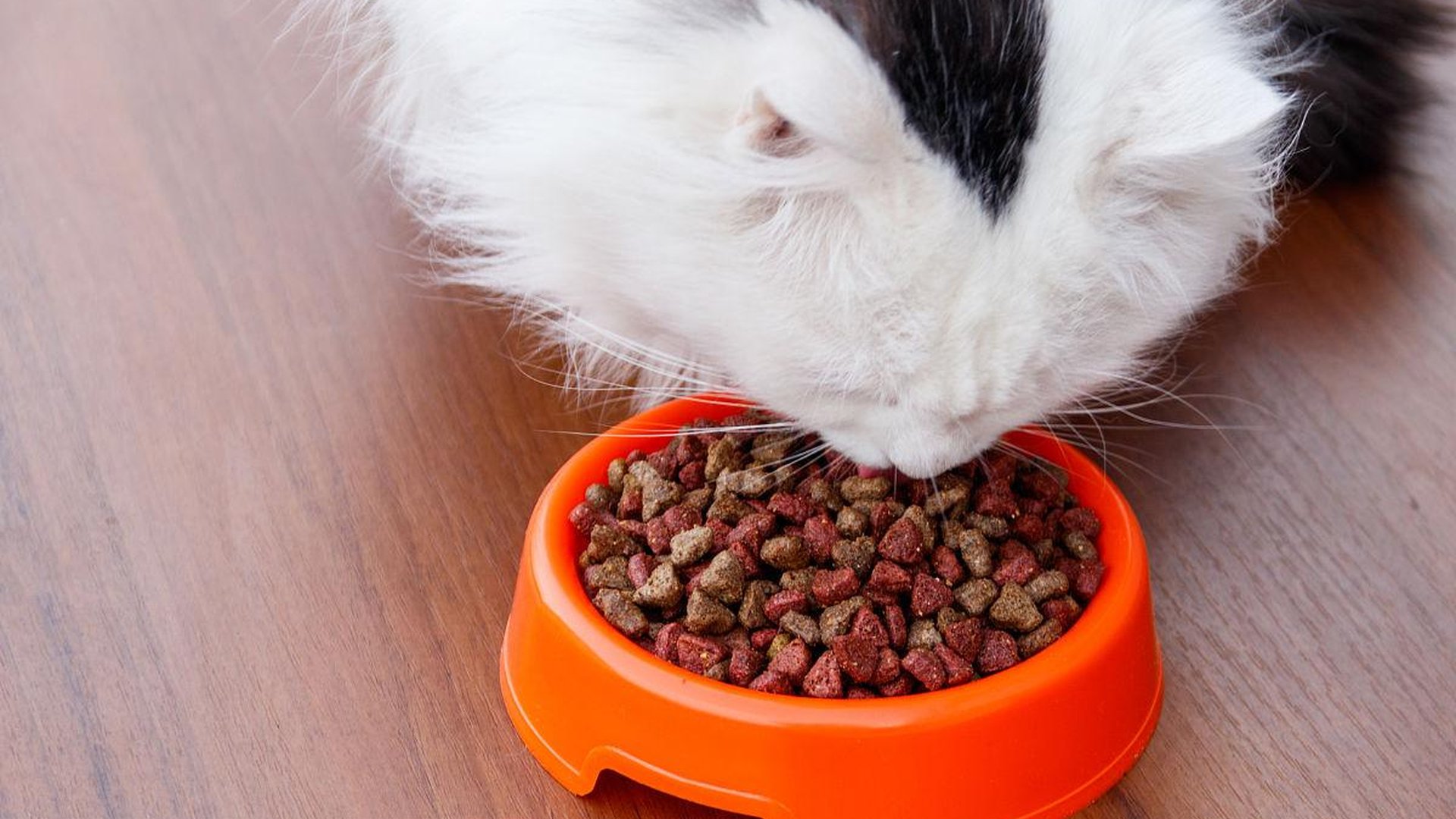
Diet is by far the top culprit. Cats have very little tolerance for ingredients they’re not used to. Even a small addition of poultry fat, soy, or corn to a food your cat has eaten for years can trigger a reaction. It’s not always about ingredients you’d expect—some cats react strongly to certain types of protein, like turkey or fish, especially if they’re not in their regular rotation. In a recent survey conducted by the American Veterinary Medical Association, over 60% of cat owners reported a change in stool consistency after switching to a new food, even when the product came from a reputable brand.
Stress is another silent driver. Cats are creatures of routine. A move to a new house, a new pet, a noisy renovation, or even a change in feeding time can cause anxiety, which directly impacts gut function. You might not see visible signs of stress—no hissing, no hiding—but your cat’s body responds. The gut-brain axis is powerful, and when stress hormones like cortisol rise, they can accelerate digestion, leading to looser stools. Consider Jake, a 7-year-old Maine Coon from Chicago who started having diarrhea the same week his owner moved into a new apartment. The stress wasn’t obvious to the owner, but the gut did the talking.
Infections and parasites are less common but more serious. Bacteria like Salmonella or E. coli, viruses like feline panleukopenia, and intestinal parasites like Giardia can all cause severe, lasting diarrhea. These often come with red flags—vomiting, lethargy, loss of appetite, or blood in the stool. If your cat is under 1 year old, has a weakened immune system, or has been outdoors, these risks increase. A 2022 study from the University of California, Davis, found that 22% of cats presenting with diarrhea had a parasitic infection, many of which were missed without lab testing.
When Diarrhea Becomes a Red Flag: Know When to Act
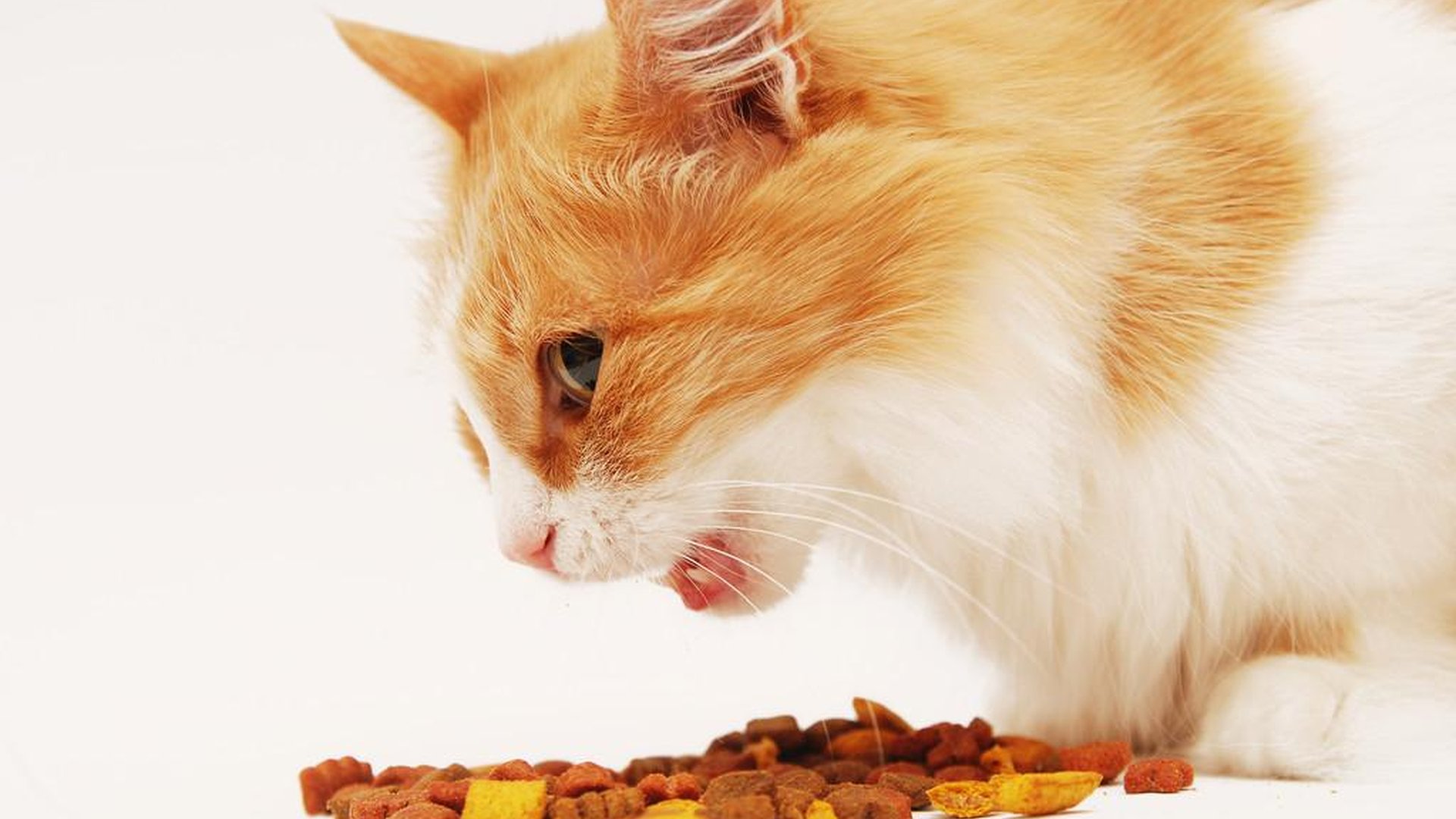
Not all diarrhea is an emergency. A single episode of soft stool after a food change or a minor dietary indiscretion (like sneaking a piece of bacon) is usually nothing to panic about. However, if the diarrhea persists for more than 24 to 48 hours—or if it’s accompanied by other signs—it’s time to take action.
Here are the danger signs that should prompt a call to your veterinarian:
– Blood or mucus in the stool
– Vomiting, especially if it’s frequent or persistent
– Loss of appetite or refusal to drink water
– Lethargy or hiding behavior
– Fever (temperature over 102.5°F)
Cats dehydrate quickly, and diarrhea can escalate into life-threatening dehydration in just a few days. A cat that’s not eating, not drinking, and has had diarrhea for over 24 hours needs immediate assessment. For older cats—those over 10 years—this risk is even higher.
It’s also important to note that some cats develop chronic diarrhea. This isn’t just occasional soft stools—it’s recurring episodes over several weeks or months. Chronic diarrhea often points to underlying issues such as inflammatory bowel disease (IBD), food allergies, or malabsorption disorders. These require a vet’s diagnosis and often a specialty diet or medication.
How Diet Can Help: What to Feed Your Cat During and After Diarrhea
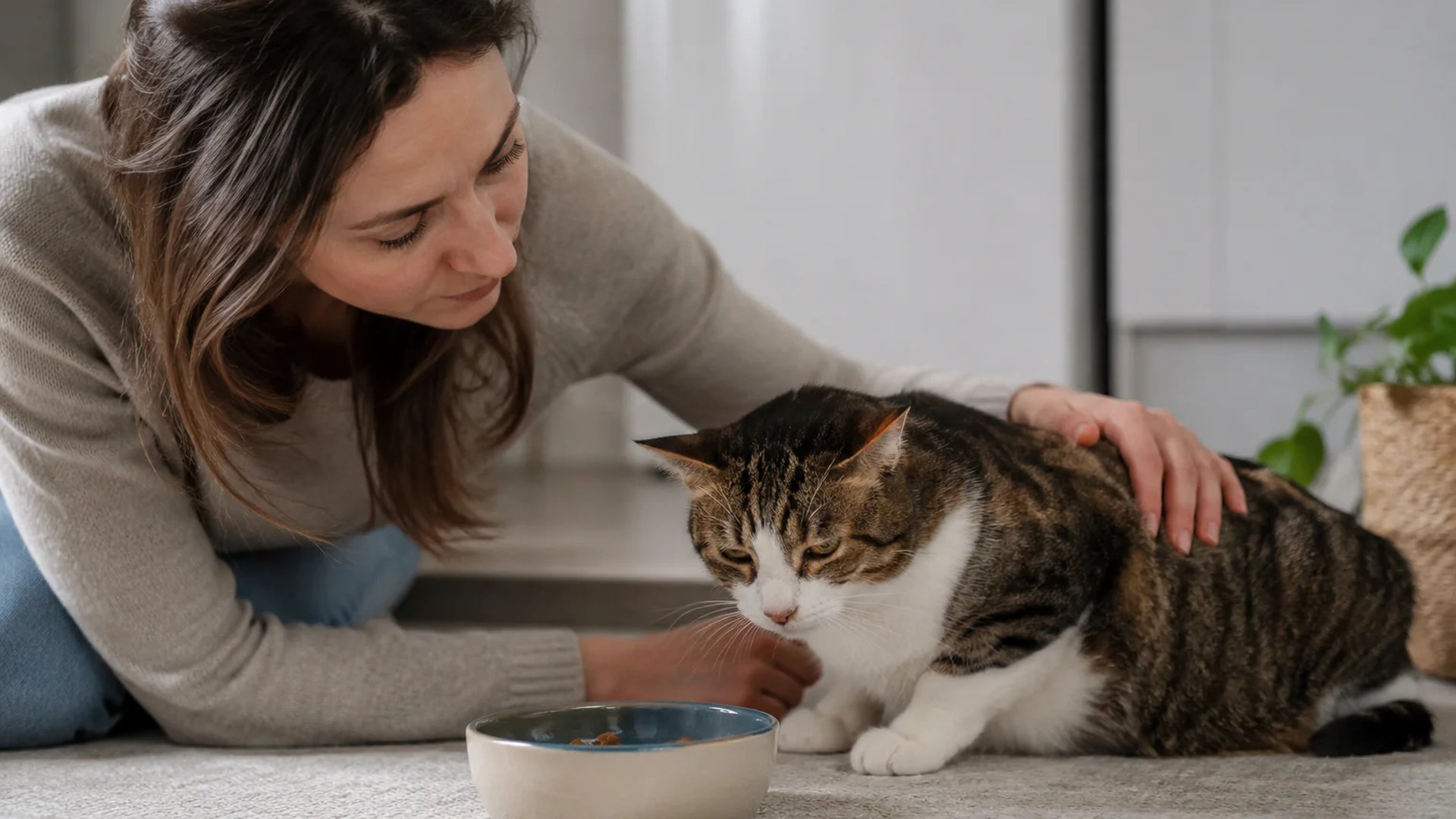
If your cat has mild, short-term diarrhea, your first move should be to support their recovery through careful nutrition. The goal isn’t to feed anything flashy—it’s to give their gut a chance to heal.
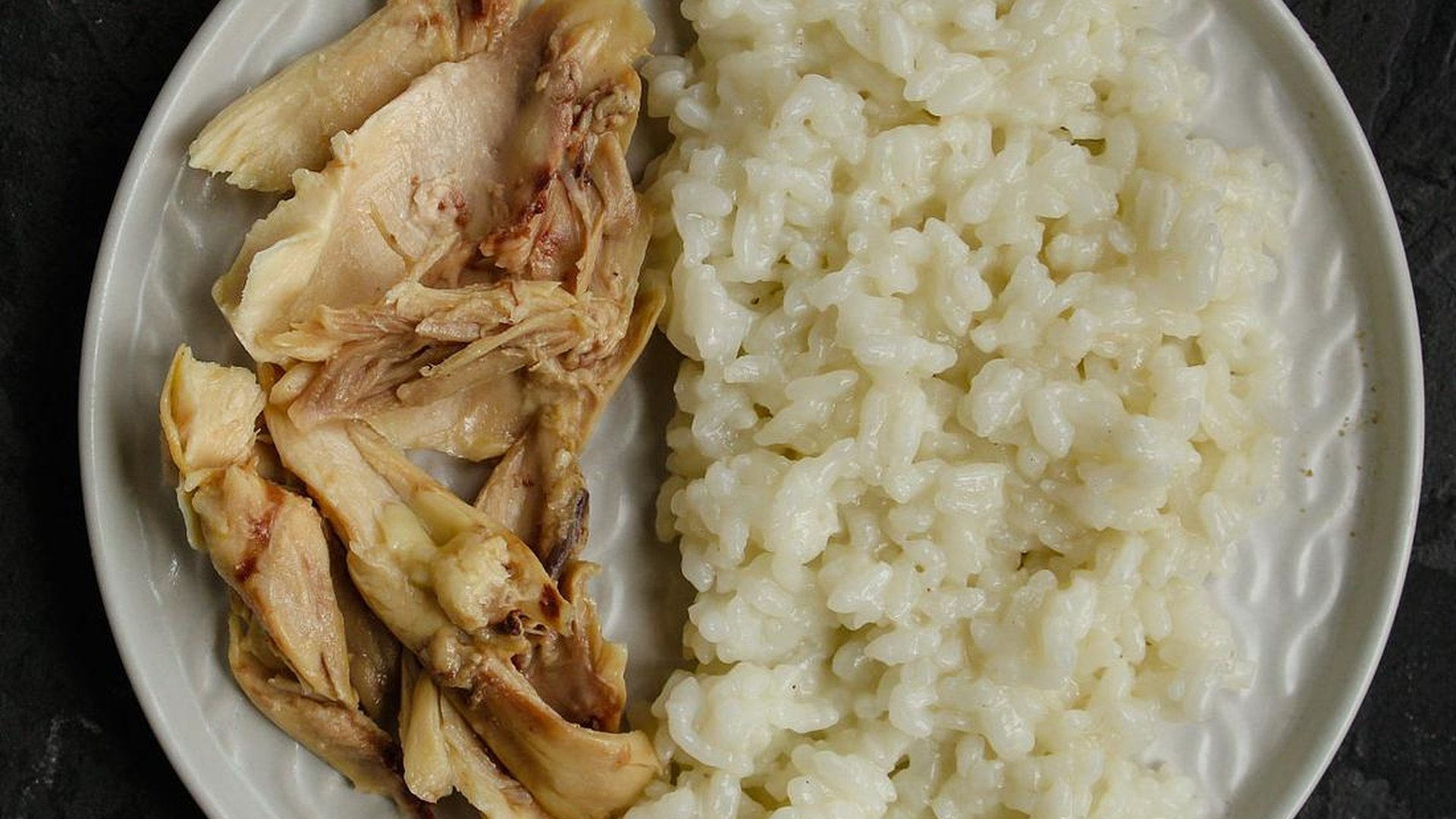
Start with a bland diet for 24 to 48 hours. This typically includes boiled chicken (no seasoning), plain white rice, or a vet-recommended gastrointestinal diet. These foods are easy to digest and help firm up stools. Avoid dairy, treats, or any human food—your cat’s system is already under pressure.
Once the diarrhea begins to resolve, ease back into their regular food slowly. Mix in a small amount of the old food with the new, increasing the proportion over 3 to 5 days. This prevents another upset by forcing a sudden change.
When choosing cat food after recovery, look for a diet that’s high in animal protein, low in fillers (like corn or wheat), and free from artificial preservatives. Brands like Open Farm, Wellness Core, and Hill’s Science Diet are often recommended for sensitive cats because of their clean ingredient lists and proven digestibility.
Prevention Is Key: Building a Resilient Digestive System
The best way to handle diarrhea is to prevent it. A healthy digestive system starts with a smart diet, a low-stress environment, and regular checkups.
Feed a consistent, high-quality cat food that matches your cat’s life stage and health needs. Avoid frequent switching—unless directed by a vet. If you do need to change foods, do it over 7 to 10 days, not overnight.
Keep your cat indoors when possible, and use parasite prevention year-round. These small habits greatly reduce exposure to harmful pathogens.
Lastly, keep your vet informed. Schedule annual exams and bring up any changes in behavior, litter box habits, or appetite. Early detection saves time, money, and most importantly—your cat’s comfort.
Remember: Diarrhea isn’t just a symptom. It’s a message. Listen to it. When you understand why your cat has diarrhea, you’re not just reacting—you’re protecting.